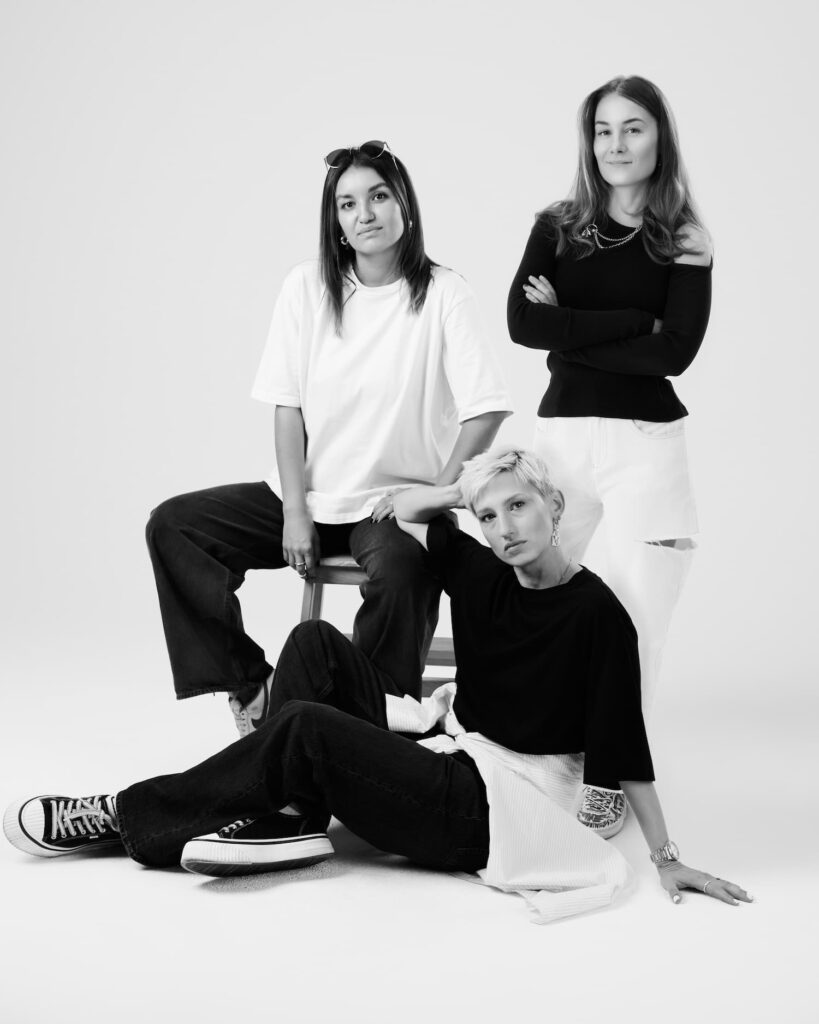
Architecture, for Anna Lvovskaia, Maria Romanova, and Liza Zholtaia, has always been more than the act of designing buildings. For them, it is a way to influence how people feel, behave, and experience the spaces around them. As co-founders and partners of DA BUREAU, they have built a studio that approaches architecture as a complete spatial experience, where design, atmosphere, and human interaction come together to create meaningful environments.
Anna Lvovskaia, Maria Romanova and Liza Zholtaia | DA BUREAU
At EliteX, we are proud to have Anna Lvovskaia, Maria Romanova, and Liza Zholtaia as part of the edition: Trailblazing Female Architects Shaping the Future of Architecture, 2026.
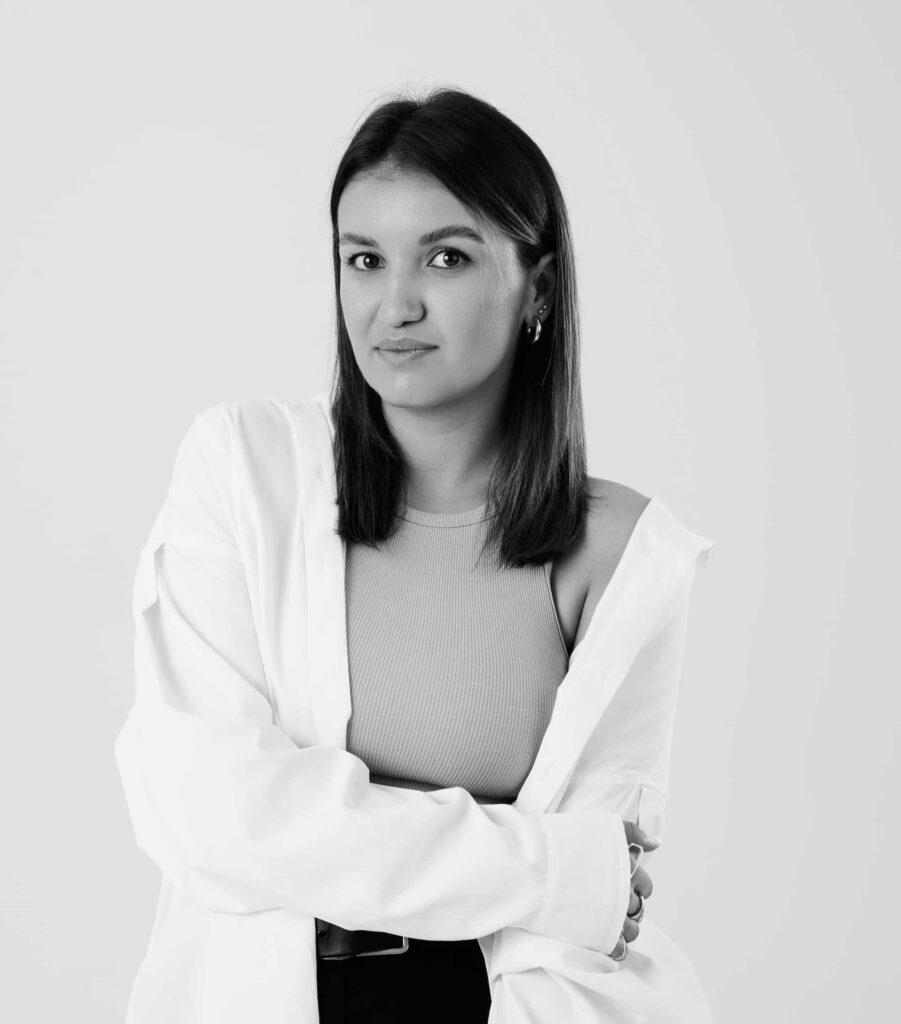
Their journeys into architecture began in different ways, yet all three shared an early fascination with space and creativity. Anna Lvovskaia was drawn to architecture because of its unique ability to transform ideas into real places that people inhabit. From the beginning, she was fascinated by how architecture can shape reality. Unlike many professions, architecture allows a concept that exists only in the mind to eventually become a physical environment that people visit and interact with. What intrigued her most was the idea that space can influence emotions. A well-designed environment can make a person feel calm, curious, inspired, or comfortable. This ability to affect human behavior and mood became the foundation of her passion for architecture.
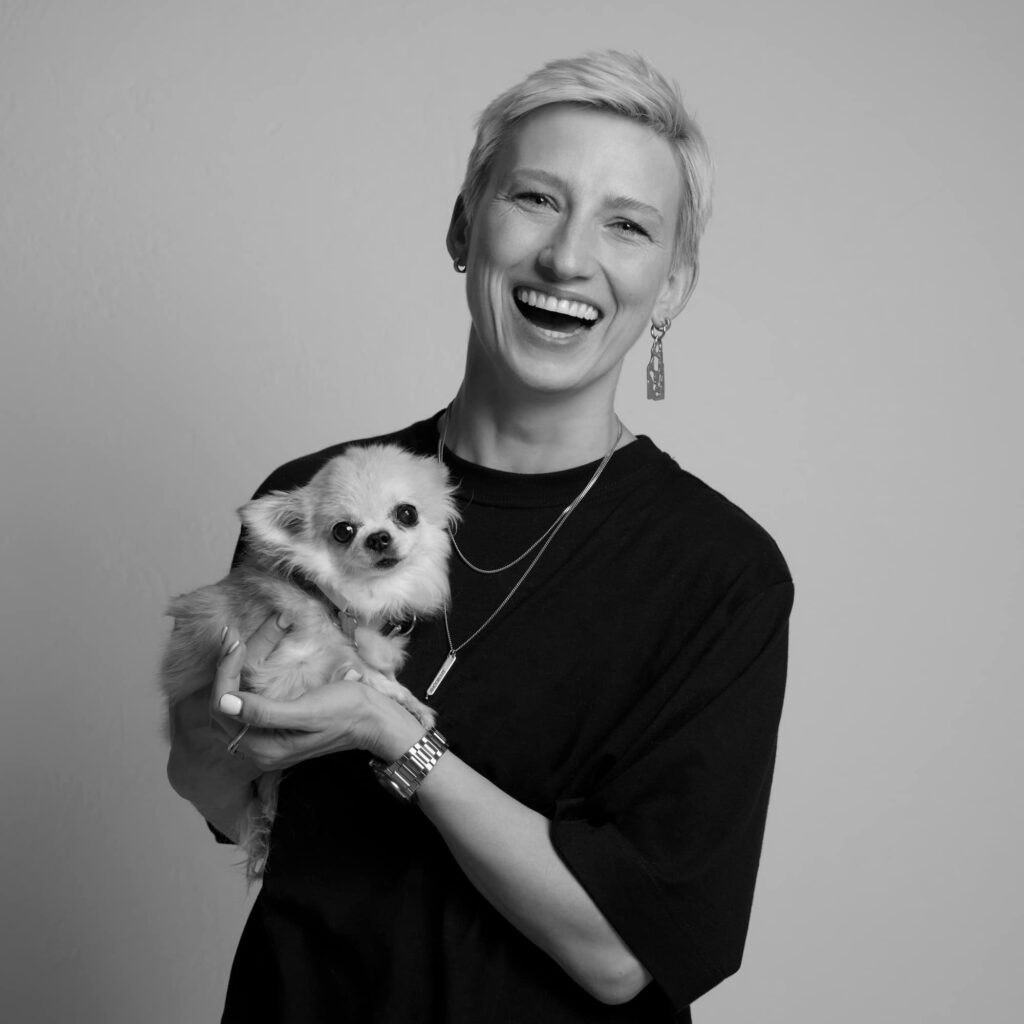
Every project is an opportunity to rethink how people experience space.
Maria Romanova’s interest in architecture began during childhood. She often built small houses using anything she could find, such as blankets, pillows, branches, and building toys like Lego. She enjoyed creating small worlds where everything was organized exactly as she imagined it. Around the age of eleven, she decided she wanted to become an architect. Over time she realized that architecture is essentially the same creative process she loved as a child, only on a much larger scale. Architects create environments where people meet, talk, relax, and experience emotions. What she finds most inspiring is that once a space is created, it begins to develop its own life as people interact with it.
Liza Zholtaia was drawn to both drawing and observing human behavior from a very young age. Even in kindergarten she preferred drawing houses, courtyards, and imaginary spaces rather than typical children’s subjects. One of her teachers recognized this interest and recommended that her parents enroll her in a school with an architectural focus. From that point forward her path developed naturally through architectural education and university studies. Over time she became especially interested in how people interact with space. She noticed that some places invite people to stay and explore, while others make them leave quickly. She became fascinated with the idea that well-designed spaces feel intuitive. When architecture works properly, people do not need to think about how to navigate or understand it. Everything feels natural and clear, and that harmony is what truly attracted her to the profession.
The creation of DA BUREAU was not the result of a traditional business plan but rather a shared desire to improve the environments around them. The founders began working together while still students, participating in design competitions and helping friends with small interior projects. Even at that early stage they felt excitement about experimenting with space and exploring new ideas. They were never satisfied with simple or predictable solutions and constantly looked for ways to rethink how people perceive the places where they live and spend time.
Gradually more people with similar values joined their initiative. What began as a student collaboration slowly grew into a professional team that eventually became known as DA BUREAU. Today the bureau is led by five friends and co-founders – Anna, Maria, Elizaveta, Boris, and Fedor. Around them, a larger team of architects and designers has developed. Each founder brings a different perspective and personality to the studio, and this combination of viewpoints allows the team to constantly grow and evolve.
From the beginning, the founders had a clear vision for what they wanted their bureau to represent. Their goal was never simply to design interiors filled with attractive objects. Instead, they wanted to work with space in a broader and more conceptual way. Their projects focus on shaping the atmosphere of a place, defining its identity, and creating environments that people remember. Because of this philosophy, they have always been selective about the projects they accept. They prefer projects that offer creative ambition and the opportunity to explore new ideas rather than routine work.
The approach of DA BUREAU can be explained in simple terms. For the team, architecture always begins with the experience of a person entering a space. Instead of focusing only on decorative details, they concentrate on the emotions a place creates and the story it tells. Every project begins with an idea or an image that represents the concept of the space. Once this idea becomes clear, the rest of the design naturally develops from it. Architecture, materials, lighting, and details all grow out of the original concept.
At the same time, logic plays an equally important role in their work. A well-designed space should feel intuitive and easy to understand. People should immediately know how to move through it and how to use it without needing instructions. The balance between emotional atmosphere and practical logic is central to the DA BUREAU philosophy. When these two elements come together successfully, the result is a space that feels both inspiring and natural.
The professional perspective of the founders has been shaped not only by international architecture but also by their collaboration with each other. In the early stages of their careers they closely studied projects from Europe and the United States and aspired to achieve a similar level of quality and innovation. Although they were still young professionals at the time, they shared strong determination and high expectations for themselves. They constantly challenged each other to improve ideas and never accepted solutions that were only satisfactory. This culture of continuous improvement remains an important part of the bureau’s identity today.
Their dedication and persistence have led to international recognition. Over the past few years DA BUREAU has been named Architectural Firm of the Year in several prestigious global awards, including the Architizer A+Awards, Archello Awards, LOOP Design Awards, and the Architecture MasterPrize. These achievements have confirmed that the studio is moving in the right direction, although the founders view them not as a final goal but as encouragement to continue growing.
Balancing creativity with practical constraints is one of the most complex aspects of architecture. According to the founders, this balance requires both imagination and technical understanding. During the concept stage they allow themselves to think freely and develop bold ideas without restrictions. Later, during the implementation stage, they work carefully to translate those ideas into reality. Their experience has shown that very few ideas are truly impossible to realize. Through optimization, technical solutions, and collaboration with specialists, they often find ways to bring ambitious concepts to life.
One of the most meaningful milestones in their professional journey has been the Birch restaurant project. The first Birch restaurant helped define the visual and conceptual language of the bureau. It demonstrated how architecture, atmosphere, and concept can work together as a unified system. Later, the opportunity to design Birch in Dubai presented a new challenge. The team had to reinterpret the original concept for a completely different cultural environment while maintaining the identity of the brand. Today they are working on the third Birch project, which clearly shows how both the team and the project itself continue to evolve.
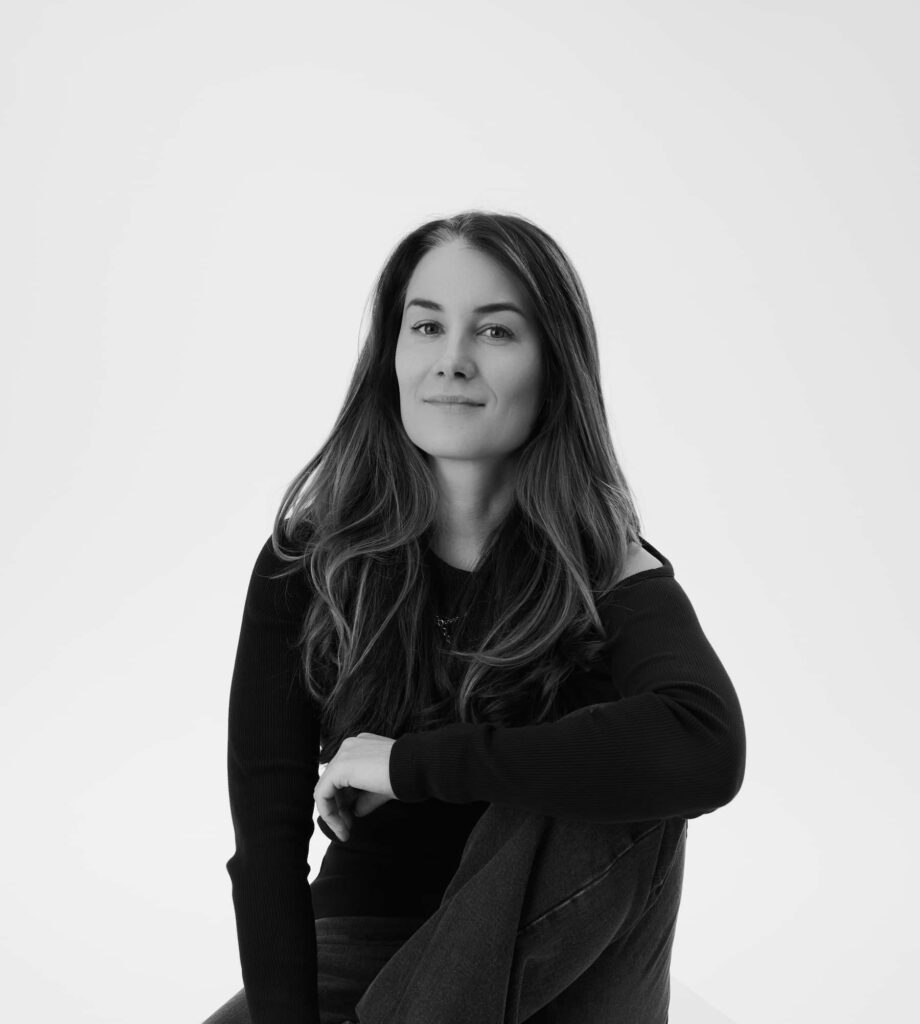
Architecture begins with the experience a person feels when entering a space.
Over time DA BUREAU has expanded its work beyond traditional architectural design. The team often participates in developing broader concepts for public spaces, helping clients shape brand identity, and contributing to strategic planning for projects. In these cases architecture becomes part of a larger system where space, brand, and user experience are closely connected.
A current example of this approach is their work on a new apartment hotel project called VIBE in the center of Dubai. In this project the bureau is involved from the earliest stage of development. Together with the client they are defining the target audience, expanding the building program, shaping the overall identity of the complex, and then designing the architectural spaces. This integrated process allows architecture and function to grow from a single unified idea.
For the founders, shaping the future of architecture means constantly challenging familiar solutions. They believe architecture evolves when designers introduce new spatial relationships, unexpected compositions, and fresh atmospheres. Each project is an opportunity to experiment with different rhythms and ideas that make spaces feel unique.
As women working in a traditionally male-dominated industry, the founders have also faced specific challenges. Early in their careers they often worked with construction teams, suppliers, and technical specialists who were mostly experienced men. It was common for them to hear that their designs were impossible to build. To overcome these doubts, they learned to deeply understand construction technologies, materials, and technical details. By clearly explaining and defending their decisions, they gradually gained the respect of collaborators and ensured their ideas were realized accurately.
Today the role of women in architecture is evolving. More women are leading projects and holding leadership positions within architectural firms. In DA BUREAU this change is clearly visible, as around eighty percent of their team consists of women who lead projects and make important decisions. The founders believe that architecture benefits from diversity and collaboration rather than competition between genders.
Looking toward the future, they believe the next generation of architects must develop both adaptability and curiosity. Technology, including artificial intelligence, is already becoming part of architectural practice. In their studio AI is used for research, data analysis, and visualizing early design ideas. While technology can improve efficiency, they emphasize that creativity and human imagination remain essential.
At the same time they believe architects must protect time for inspiration, travel, and reflection. Exposure to different cultures and environments expands perspective and strengthens creative thinking.
For young women beginning their journey in architecture, their advice is simple but powerful. They encourage them not to be afraid of challenges and to believe in their abilities. Architecture is a demanding profession that requires dedication and knowledge, but it also offers immense creative satisfaction. With confidence, persistence, and passion, it is entirely possible to succeed and make a meaningful impact on the built environment.