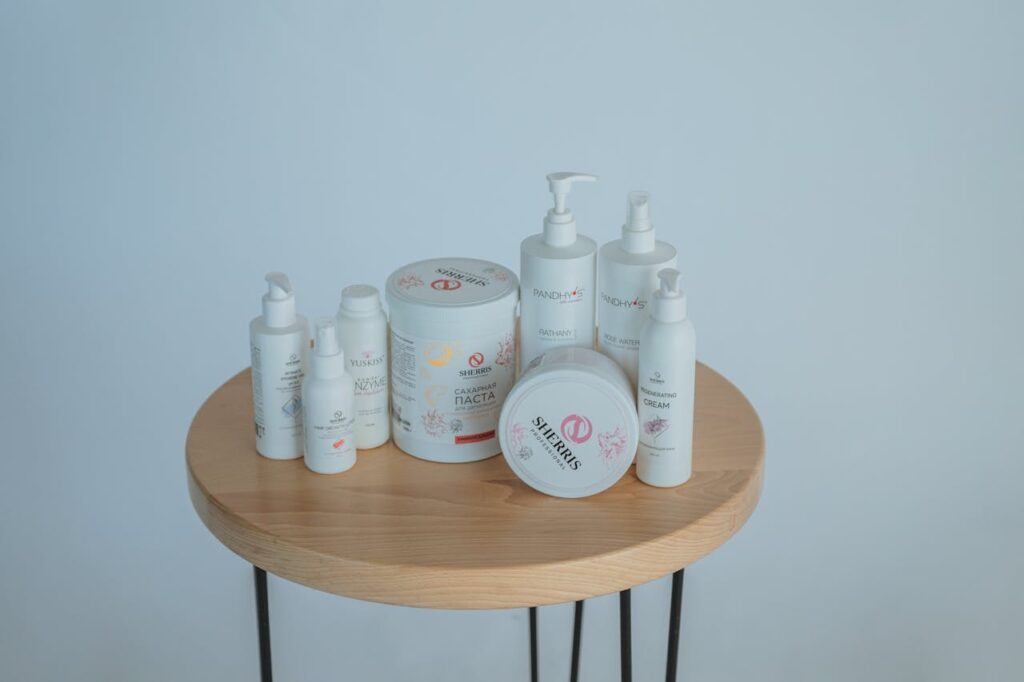
The cosmetics industry, a global behemoth built on glamour, aspiration, and a potent mix of science and marketing, is undergoing a seismic shift. This transformation is not driven by a new celebrity fragrance or a groundbreaking foundation formula, but by a quiet yet powerful consumer revolution. “Clean beauty,” once a niche term for a handful of eco-conscious brands, has exploded into a multi-billion-dollar market, forcing traditional beauty giants to re-evaluate their entire business model. This movement, rooted in a demand for transparency, safety, and sustainability, is fundamentally reshaping how products are formulated, packaged, and marketed.
Defining the “Clean Beauty” Ethos
While a universally accepted, legal definition of “clean beauty” remains elusive, its core principles are clear. At its heart, it is a movement that prioritizes the health of both the consumer and the planet. This is typically achieved by a few key tenets:
- Non-Toxic and Safe Ingredients: The cornerstone of clean beauty is the avoidance of ingredients that are perceived to be harmful, irritating, or linked to health concerns. This “free-from” list often includes parabens, sulfates, phthalates, synthetic fragrances, and certain preservatives. Instead, clean beauty products lean heavily on natural, plant-based, and naturally-derived ingredients, fostering a sense of trust and safety. However, it’s crucial to acknowledge the ambiguity here; not all natural ingredients are benign, and some synthetic ingredients are perfectly safe. This lack of a formal definition has also led to a degree of “greenwashing,” where brands make unsubstantiated claims to capitalize on the trend.
- Transparency and Accountability: Modern consumers, armed with smartphones and a wealth of online information, are no longer content with opaque ingredient lists. They want to know what they are putting on their skin and where those ingredients come from. This has led to a push for complete ingredient transparency, with many clean brands providing detailed information about their sourcing, manufacturing processes, and the function of each component. This radical openness builds a direct relationship of trust between the brand and the consumer.
- Sustainability and Ethical Practices: The “clean” in clean beauty extends beyond the product itself to its entire lifecycle. This includes ethical sourcing of ingredients, ensuring fair wages and safe working conditions. Furthermore, it places a strong emphasis on sustainability, with a focus on eco-friendly, recyclable, or refillable packaging to minimize waste. Brands are also increasingly scrutinized for their carbon footprint, water usage, and other environmental impacts. This holistic approach makes the movement a powerful force for ethical consumption.
The Economic Impact: A Market in Rapid Expansion
The clean beauty movement is not just a passing fad; it’s a significant economic force. The market has grown at a phenomenal rate, driven by a global shift in consumer priorities. For instance, recent data indicates the global clean beauty market was valued at approximately USD 6.32 billion in 2023 and is projected to reach an impressive USD 34.8 billion by 2032, with a compound annual growth rate (CAGR) of over 14%.
This growth is fueled by several factors:
- Consumer Awareness: An increasingly informed populace is more aware of the potential health and environmental impacts of conventional cosmetics. This heightened consciousness, amplified by social media platforms like TikTok and Instagram, has driven a surge in searches for “clean” and “natural” products.
- Millennials and Gen Z: Younger generations, particularly millennials and Gen Z, are the primary drivers of this market. They are more likely to prioritize a brand’s values, ethical stance, and environmental record over traditional marketing. They are also willing to pay a premium for products that align with their personal beliefs.
- Shifting Retail Landscape: Major retailers are responding to this demand by creating “clean” sections and badges, making it easier for consumers to identify and purchase these products. This mainstreaming of clean beauty has further accelerated its growth and availability.
Challenges and Innovations for the Cosmetics Industry
The rise of clean beauty presents both significant challenges and opportunities for the established cosmetics industry.
Challenges:
- Formulation Complexity: Developing high-performing, safe, and stable products without traditional preservatives or synthetic ingredients can be a major technical hurdle. Natural ingredients can be more volatile, have shorter shelf lives, or be less effective in certain formulations.
- Lack of Regulation: The absence of a standardized, legally binding definition of “clean beauty” means that brands can interpret the term loosely. This ambiguity can confuse consumers and makes it difficult to differentiate genuinely clean products from those engaging in “greenwashing.”
- Higher Costs: Sourcing ethical and natural ingredients and implementing sustainable practices often comes with a higher price tag. This can make clean beauty products less accessible to a broader audience, although the rise of mass-market retailers is beginning to address this.
Innovations:
- Biotechnology and Fermentation: To overcome the limitations of natural ingredients, the industry is turning to biotech. This involves using fermentation and other biological processes to create high-performing, clean-certified, and sustainable ingredients that mimic or even surpass the efficacy of their synthetic counterparts.
- Waterless Formulations: A growing trend in clean beauty is the development of waterless products, such as solid shampoos and cleansers. This not only reduces the need for preservatives but also significantly lowers the product’s environmental footprint in terms of both packaging and shipping weight.
- Personalization and AI: The demand for clean, safe products has led to a new era of hyper-personalization. Brands are using artificial intelligence and data analytics to create custom formulations based on individual skin needs and preferences, further aligning with the consumer’s desire for a truly bespoke and effective experience.
Conclusion
The clean beauty movement is more than just a trend; it is a fundamental re-evaluation of the cosmetics industry’s relationship with its consumers and the environment. It has successfully shifted the conversation from “what does this product do for me?” to “what is in this product, and where does it come from?” By prioritizing safety, transparency, and sustainability, clean beauty has forced both indie brands and legacy corporations to innovate and adapt. While challenges such as a lack of regulation and higher production costs remain, the momentum is undeniable. As consumers become ever more conscious of their choices, the future of the beauty industry will be defined not by the latest fad, but by a genuine and unwavering commitment to being truly clean, inside and out.