Phetso Ntsowe – Building Self-Trust, Leadership, and a Lasting Legacy
Empowering Female Life Coach of the Year, 2026
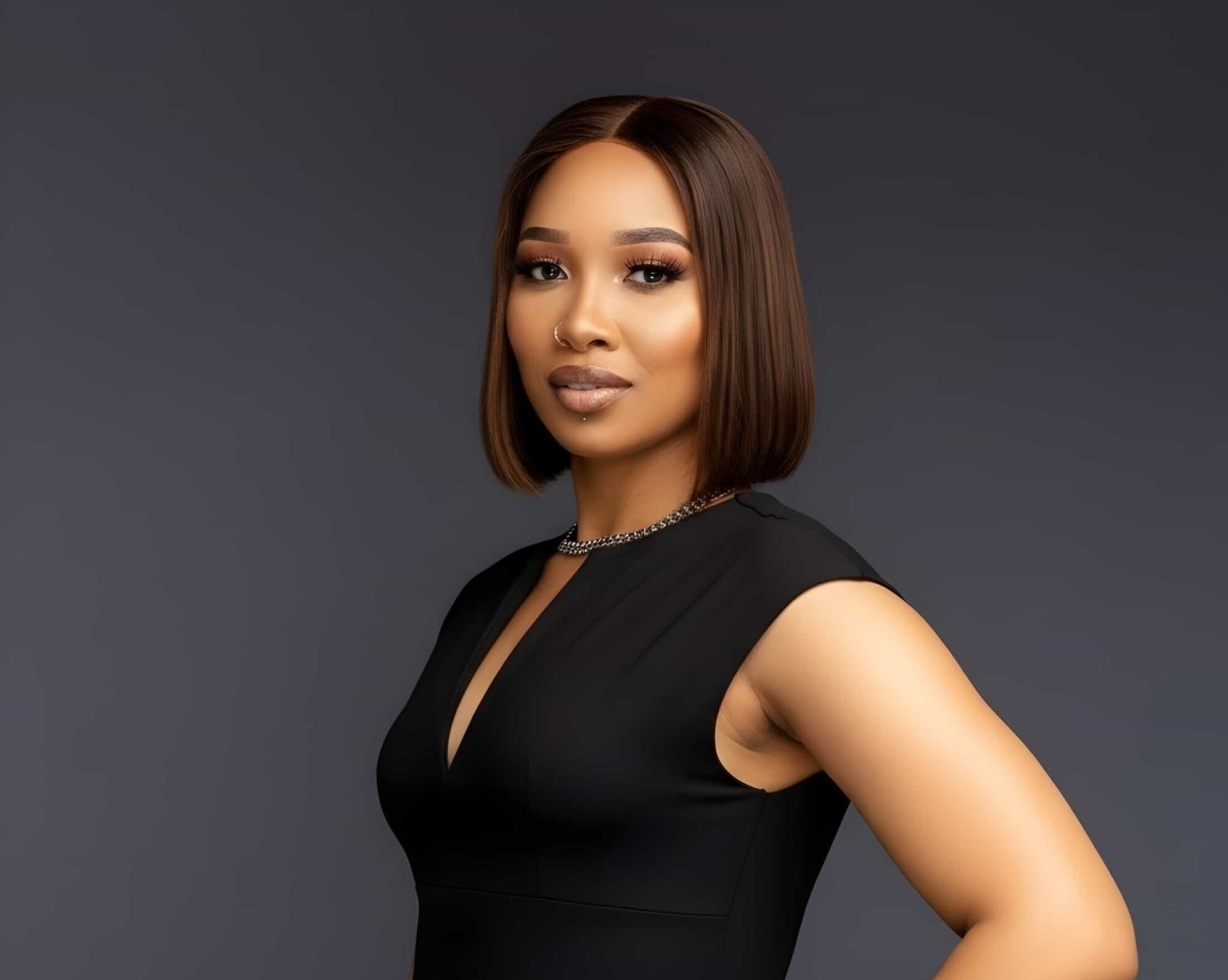
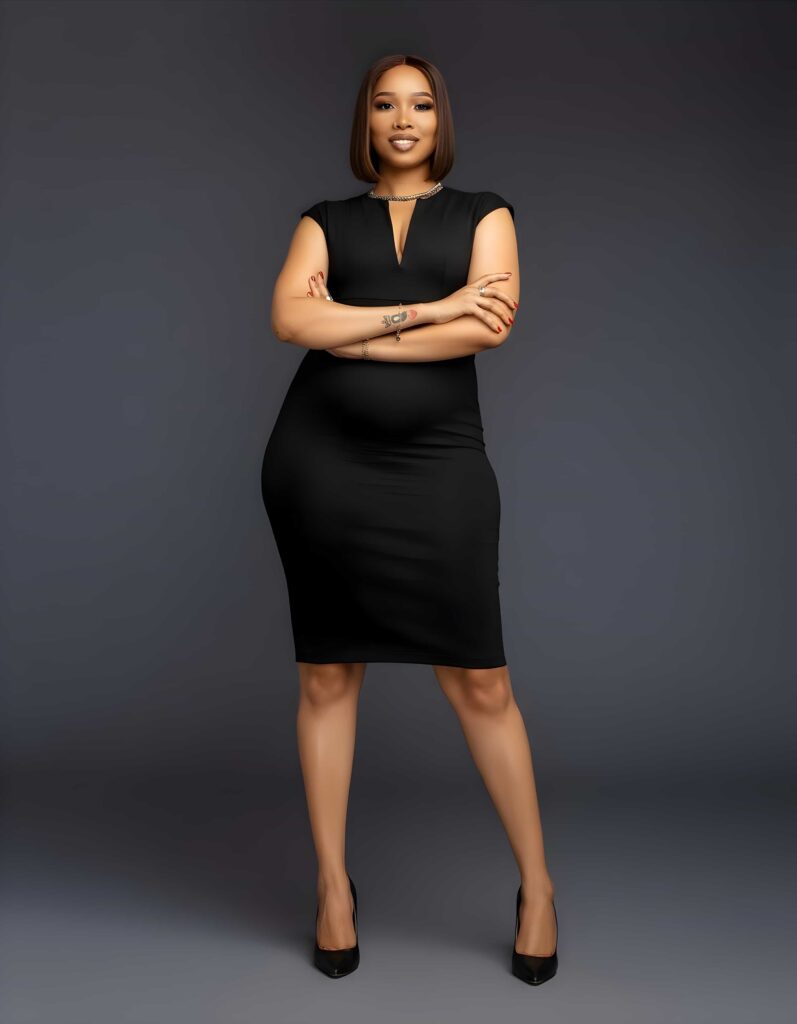
Phetso Ntsowe, Founder and Coach of Rise and Reach journey into life coaching began at a point where her outer achievements no longer matched her inner sense of clarity. From the outside, life appeared stable and successful, yet internally she felt a growing disconnect between who she was becoming and how she was living. Rather than ignoring this tension, she chose to sit with it. Through reflection and intentional self-work, she began rebuilding trust in herself, her decisions, and her natural pace.
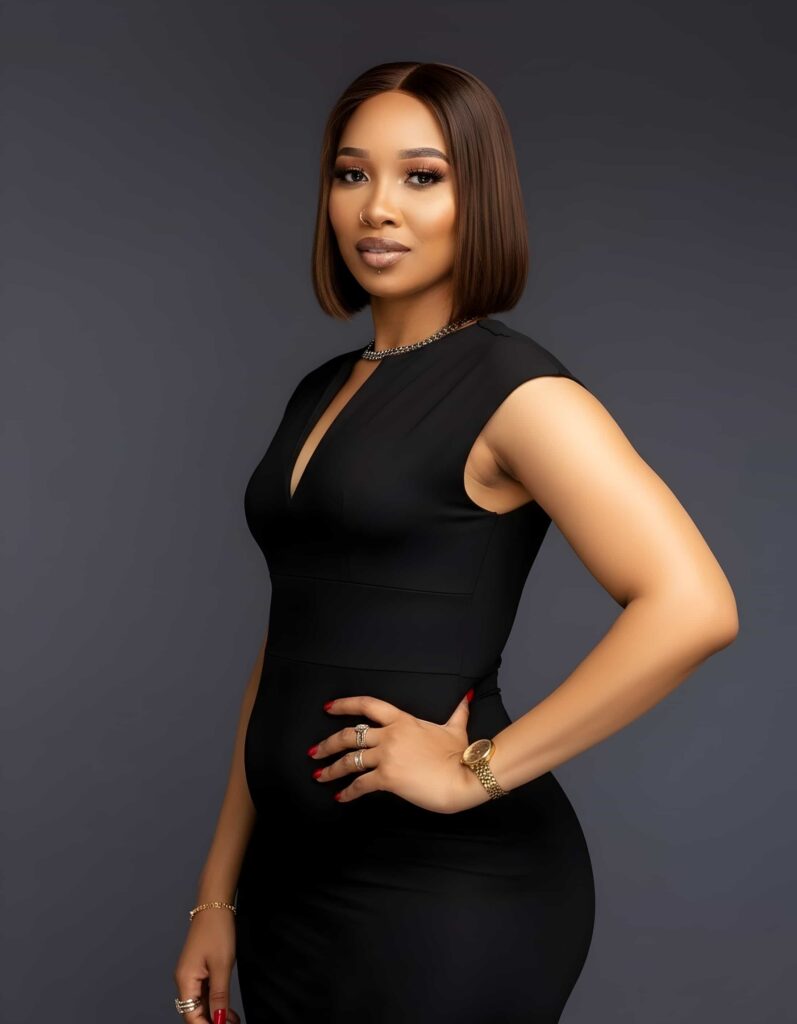
This personal process became the foundation of her professional calling, as she recognised that many women across the world quietly carry the same sense of misalignment while continuing to perform, achieve, and lead. We, at The EliteX, are proud to have Phetso Ntsowe as the Empowering Female Life Coach of the Year, 2026.
Her path was not marked by sudden career shifts or dramatic reinvention. Instead, it was shaped by consistent, intentional courage. She learned to balance an established professional life with a deeper internal calling that required patience and self-honesty. One of the greatest challenges she faced was allowing herself to be visible while still evolving. She understood that growth does not always happen in neat stages, and yet visibility often demands certainty. Choosing to remain open, reflective, and grounded during this period taught her the value of restraint and timing, lessons that now deeply influence how she supports others.
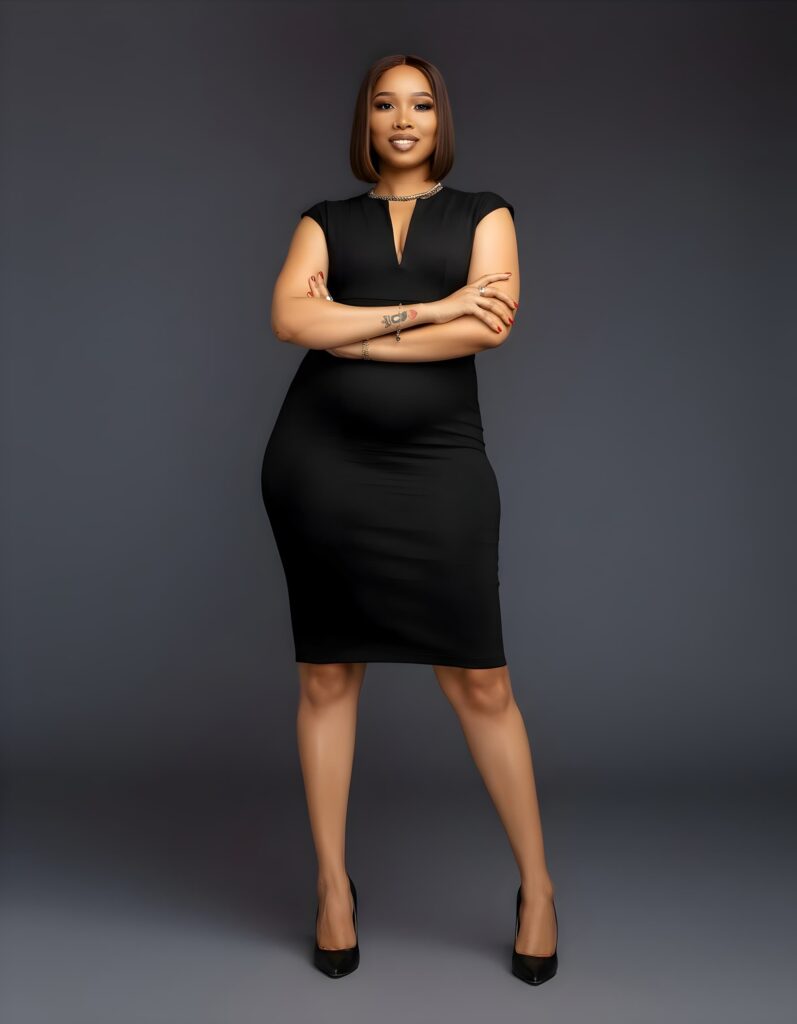
“You are not behind in life – you are refining. The inner work you do today shapes the legacy you live tomorrow.”
Over time, Phetso developed a clear understanding of leadership that extends far beyond titles or positions. Through her work with women, she came to see leadership as an internal practice rather than an external role. In her view, women who lead themselves with clarity, discipline, and integrity naturally influence others. Leadership is evident in daily choices, in the boundaries one sets, and in the ability to act in alignment with personal values even when there is no audience. This form of self-leadership creates influence that is sustainable and credible, forming the basis of long-term impact.
Empowerment, as Phetso defines it, is not rooted in motivation or performance. It is the restoration of self-trust. In her coaching work, empowerment means helping women reconnect with their inner authority so they can stand firmly by their decisions without seeking constant validation. She believes that true empowerment must last beyond the coaching relationship. When women are equipped to navigate future seasons independently, they are better positioned to build lives and legacies that reflect both strength and purpose.
Through her experience, Phetso has observed that many capable women struggle to fully own their voice. This challenge is often the result of years of conditioning that taught them to earn their place rather than simply occupy it. Over time, this creates hesitation around visibility and expression. Many women internalise the idea that clarity may be perceived as confrontation. Phetso’s work often begins by helping clients recognise that their voice is not something to justify or soften. It is something to steward with intention and confidence.
When addressing self-doubt and fear, Phetso approaches these challenges with depth rather than urgency. She views self-doubt not as a lack of ability, but as a signal of disconnection from self-trust. Her process involves helping women examine the narratives they have absorbed over time and the decisions they have delayed as a result.
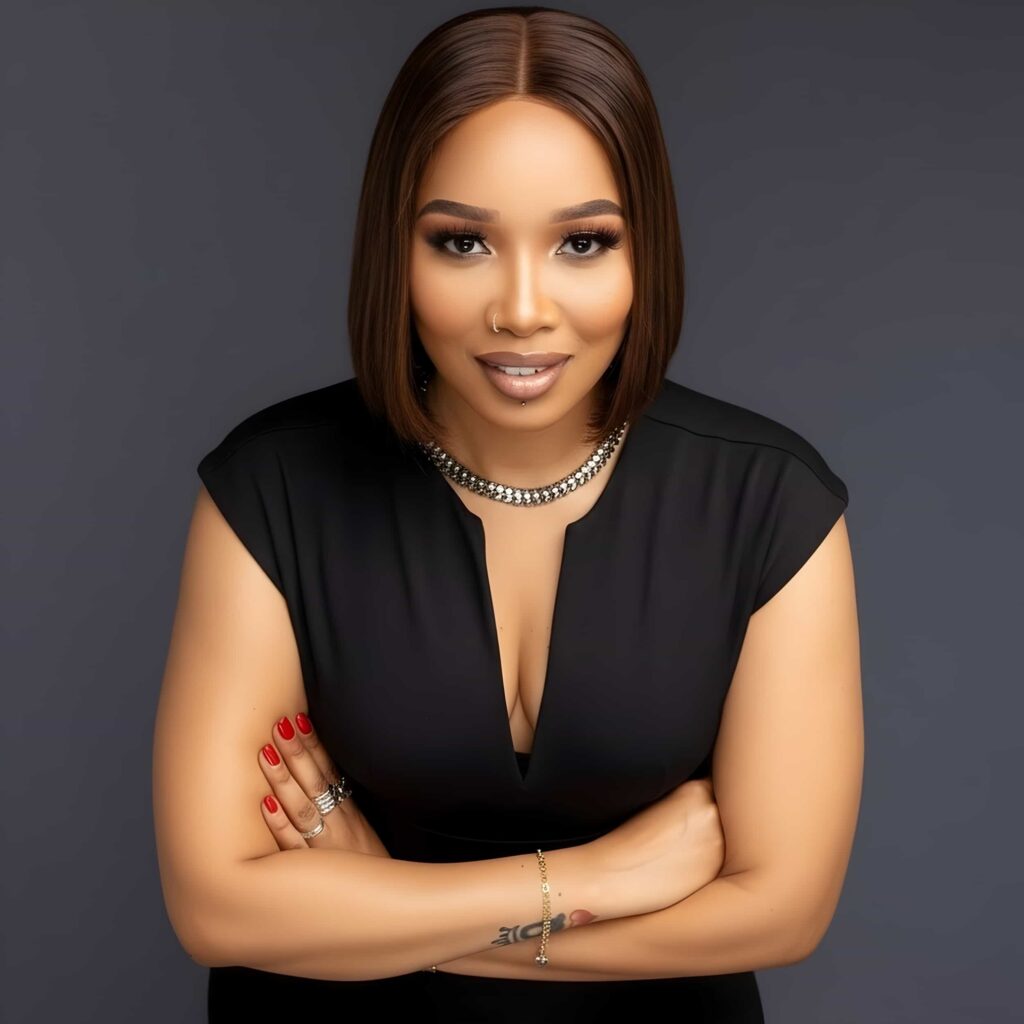
Through reflective questioning, structured accountability, and practical recalibration, fear gradually loses its authority. In its place emerges a grounded confidence that is built on evidence, experience, and clarity rather than bravado.
A key distinction in her work is the difference she draws between confidence and performative confidence. Performative confidence seeks reassurance and external approval, while real confidence is quiet, steady, and consistent. It shows up in boundaries, decision-making, and follow-through rather than in appearance or volume. For women focused on long-term influence, this distinction is critical. Legacy is not built through visibility alone, but through sustained alignment and integrity.
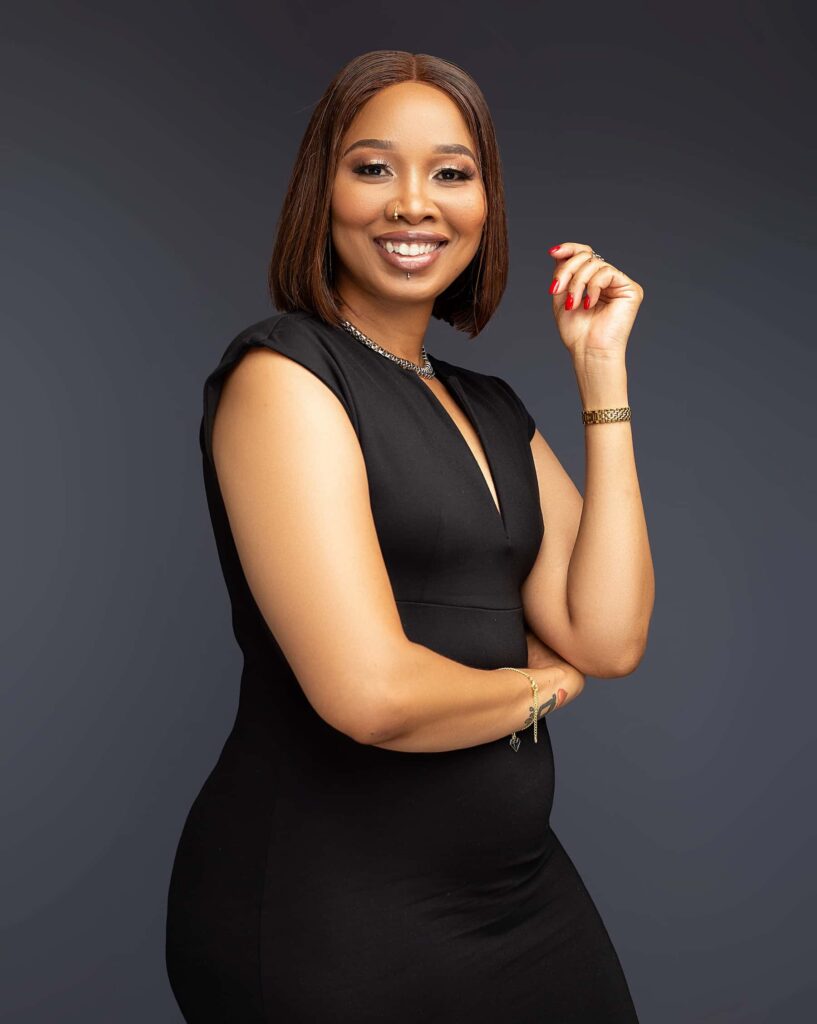
“Leadership is not defined by position or visibility, but by how consistently you honour your values when no one is watching.”
Phetso’s coaching style is deliberate and measured. She prioritises clarity over speed and depth over quantity. Rather than pushing clients toward quick outcomes, she guides them toward understanding. This approach allows transformation to be integrated into daily life rather than performed for temporary results. As a result, the changes her clients experience tend to endure long after formal coaching sessions have ended.
Many of the women who seek her support are outwardly accomplished yet internally uncertain. They often arrive at a crossroads, feeling successful by conventional standards but disconnected from meaning or fulfilment. Common themes include burnout, identity shifts, boundary erosion, and fear of greater visibility. Phetso works with these women to rebuild alignment so their lives reflect both achievement and authenticity. Her focus is not on doing more, but on doing what truly fits.
Burnout, in her view, has become especially common among high-performing women because it is rarely about workload alone. More often, it is the result of prolonged self-neglect. Many women have learned to sustain systems, teams, and families while placing their own needs last. Without intentional recalibration, ambition becomes extractive rather than life-giving. Phetso encourages a redefinition of productivity, one that includes rest, reflection, and self-respect as essential components of success.
Success in her coaching work is not measured by dramatic milestones or external recognition. Instead, she looks at how a client leads herself after the engagement ends. When a woman makes decisions without constant second-guessing, sets boundaries without guilt, and navigates complexity with clarity, the work has truly taken root. For Phetso, sustainable self-leadership is the most meaningful indicator of progress.
She recognises that internal transformation is often more difficult than external success. Unlike external achievements, inner work cannot be validated or accelerated by others. It requires deep honesty and a willingness to confront long-held beliefs. It may also require releasing identities that once provided safety or approval. While this process can be uncomfortable, Phetso believes it is essential. Without inner alignment, external success often lacks depth and staying power.
In times of transition and identity shifts, Phetso supports women by slowing the process down rather than rushing toward answers. She helps clients reflect deeply and make intentional decisions instead of reactive ones. Transition, in her approach, is not framed as loss, but as refinement. It is a necessary stage in building a meaningful and resilient legacy.
Staying grounded during challenging seasons is a practice Phetso takes seriously in her own life. She has learned that clarity often emerges in stillness rather than pressure. Reflection, boundaries, and rest are not optional for her. They are non-negotiable practices that sustain both resilience and vision. By modelling these principles, she reinforces their importance in the lives of the women she coaches.
“True empowerment begins when a woman trusts herself enough to stand by her decisions without seeking permission.”
Her daily practices are simple but consistent. She prioritises reflection, intentional routines, and disciplined boundaries around time and energy. Growth, in her view, is not driven by intensity but by consistency. These habits allow her to show up with integrity in both her personal life and professional work.
Phetso has observed significant changes in the life coaching industry in recent years. While the field has expanded rapidly, creating more visibility and opportunity, it has also become crowded with noise. She notes a growing demand for substance, ethics, and depth. Clients are increasingly discerning, seeking coaches who focus on sustainable transformation rather than short-term motivation or trend-driven promises.
For her, ethical coaching is defined by its ability to strengthen autonomy. It equips clients to think clearly, decide confidently, and lead themselves over the long term. Trend-driven coaching, by contrast, often prioritises urgency and dependence. Phetso is committed to practices that centre clarity, integrity, and lasting impact.
Looking ahead, she views 2026 as a year of intentional expansion. She is developing curated coaching experiences and mentorship spaces focused on clarity, consistency, and community. These initiatives are designed to support women not only in achieving goals, but in building lives rooted in self-trust and purpose. Her vision is to create spaces where growth is integrated and supported over time.
Balancing personal life and professional responsibility is something Phetso approaches through alignment rather than perfection. She plans intentionally, honours different seasons of life, and protects space for rest. She believes sustainable leadership is built on clear boundaries rather than constant availability, a principle she both teaches and practices.
When reflecting on the legacy she hopes to leave, Phetso speaks less about recognition and more about impact. She hopes her work contributes to a generation of women who trust themselves deeply. Women who lead with clarity, integrity, and quiet confidence. If her work helps women build lives that outlast trends and remain steady under pressure, she considers that a meaningful legacy.
At the heart of her message to women worldwide is reassurance rather than urgency. She reminds them that they are not behind, but refining. The pace of becoming is not a weakness, but a strength. The internal work done today shapes the legacy lived tomorrow. Through her coaching, writing, and mentorship, Phetso Ntsowe continues to guide women toward lives that are not only successful, but deeply aligned, drawing on the insights shared in her interview responses