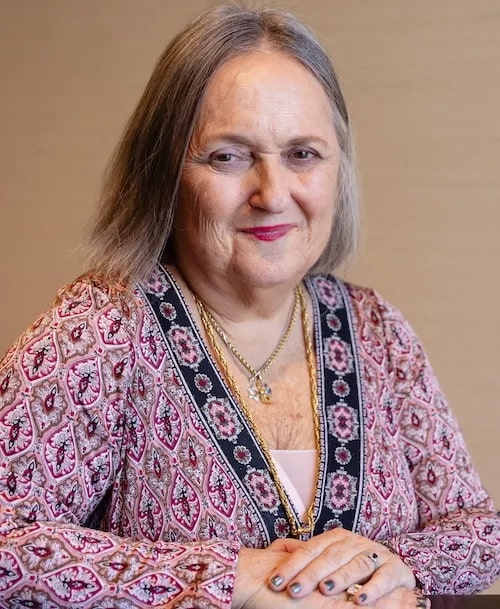
Pamela Shainhouse is a sustainability and accessibility leader who helps organizations build responsible, inclusive, and future-ready practices. She is the founder of The Shainhouse Group, a division of her brand Allistyle Inc. Through this platform, she supports companies with accessibility, sustainability, and diversity, equity, and inclusion training and policy development.
Pamela Shainhouse | Founder | The Shainhouse Group
Much of her focus is on workplace environments, particularly in retail and entertainment, where barriers often go unnoticed. As a woman with a disability, she brings lived insight that deepens her professional expertise. Her experience enables her to recognize gaps others may miss and to design solutions that are practical, respectful, and truly inclusive. This lens strengthens her advisory work and adds both credibility and clarity to her approach. She is a certified DEI professional through the MUMA Business School at the University of Florida and is also certified as a woman- and disabled-owned business through WeConnect International and IWSCC. At EliteX, we are proud to feature Pamela Shainhouse in the edition Prominent Women Innovators in Sustainability & ESG, 2026.
Her journey into sustainability began in 2006 when she founded Allistyle Inc. with a clear purpose. The company was created as one of the first sustainable fashion brands made in Canada. At a time when sustainable fashion was not widely discussed, Pamela believed strongly that fashion could be ethical, locally produced, and inclusive. Allistyle Inc. focused on responsible manufacturing and celebrated people of all body sizes. Although the brand is not currently producing due to today’s professional climate, its values continue to shape Pamela’s work and vision.
Responsible business creates trust, resilience, and long-term success.
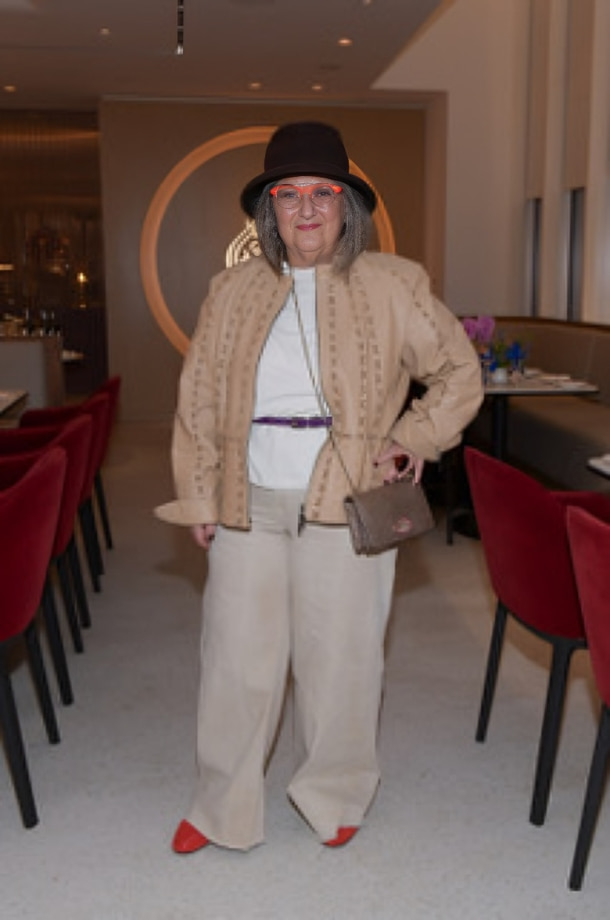
A defining moment in her career came in October 2017, when Allistyle Inc. presented the first-ever size-diverse fashion show at the Toronto IMG Mastercard Runway show. This event marked a powerful shift in how fashion could represent real people. The show challenged traditional beauty standards and sent a clear message that inclusion matters. For Pamela, this moment reinforced her purpose and strengthened her commitment to accessibility and equity across industries, not just fashion.
Pamela explains sustainability in simple terms as meeting today’s needs without harming the future. To her, it is about using resources wisely and caring for people at the same time. She views ESG, or Environmental, Social, and Governance, as the practical framework that helps organizations turn sustainability into action. Sustainability is the goal, while ESG is the tool that measures progress and accountability. She believes that organizations that combine ESG with accessibility, diversity, inclusion, and equity are better prepared for the future, as they build trust, resilience, and innovation.
One of her most impactful contributions remains her fashion brand, which was recognized as the first sustainable and size-diverse brand in Canada at the time. Pamela was often referred to as a legend in plus-size clothing because she believed deeply that fashion should celebrate all bodies. Producing locally in Canada was a point of pride, as it aligned with her values around ethical labor and environmental responsibility.
As a woman leader working in sustainability and ESG, Pamela has faced challenges, especially when this work is seen as values-based rather than strategic. ESG is sometimes treated as optional when budgets are tight or timelines are short. She overcame this by clearly linking sustainability and accessibility to business outcomes, risk reduction, and long-term performance. Through persistence and clarity, she demonstrated that ESG is not an extra, but an essential part of responsible leadership.
ESG becomes powerful when it drives action, not just compliance.
She believes that long-term environmental and social goals should not be separated from short-term business priorities. Instead, she focuses on practical actions that create immediate value while supporting future goals. By aligning sustainability with existing budgets, timelines, and objectives, organizations can take action now rather than delaying progress.
Pamela encourages companies to move beyond ESG as a compliance exercise by embedding it into everyday decision-making. Real change happens when ESG is part of strategy, operations, and leadership accountability. Listening to the people affected by decisions, measuring what truly matters, and acting consistently over time turns ESG into meaningful action.
Innovation and technology play an important role in her work by making sustainability practical. They help organizations understand challenges, track progress, and scale effective solutions. Technology also supports accessibility and reduces risk, allowing sustainability to become part of daily operations rather than extra work.
She measures impact by looking at real change. This includes improved access, reduced risk, better decision-making, and stronger accountability. If people are better served and outcomes improve over time, she considers the work successful.
Guided by integrity, clarity, and care for people, Pamela leads with consistency even in high-pressure situations. Mentorship has played a key role in her own journey, and she is committed to giving back by supporting the next generation of women leaders whenever possible. Looking ahead, she hopes to leave a legacy of organizations that place people and sustainability at the center of success, proving that responsible practices create stronger and more trusted futures.
Sustainability succeeds when accessibility and people are built into decisions.