Dynamic Leader in Education, 2026
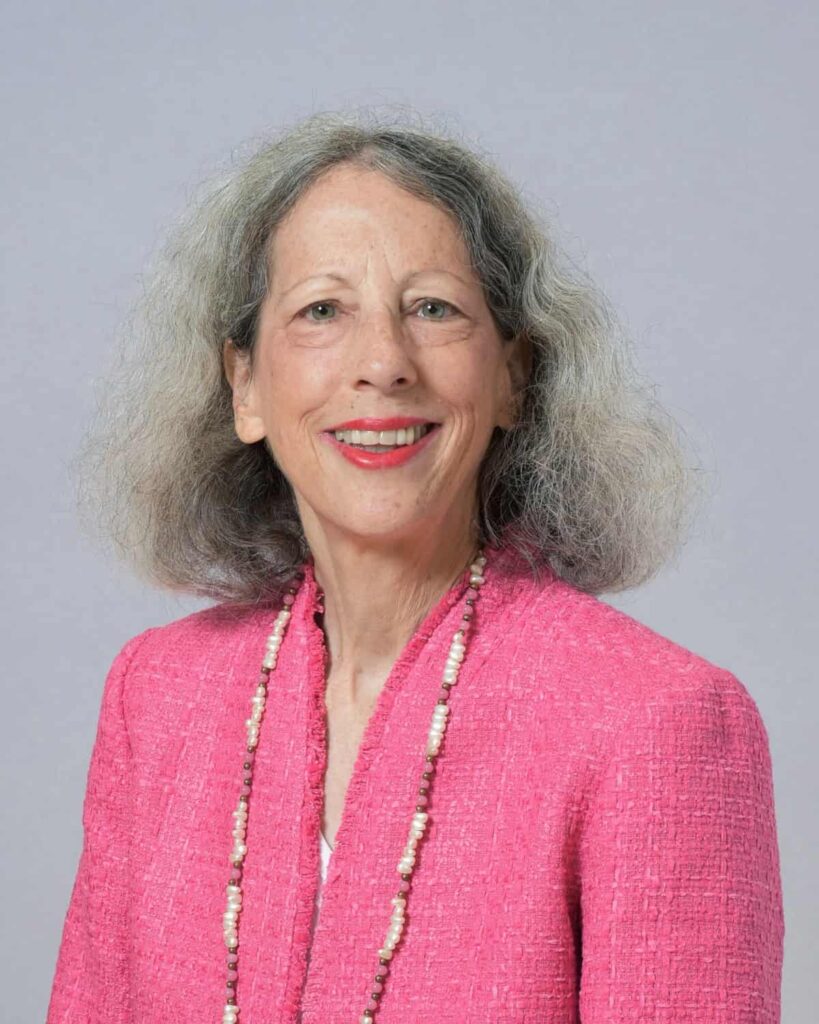
Joan Gillman – The Educator Who Turns Learning into Action
Joan Gillman’s journey in education began long before she ever stepped into a classroom as a teacher. As a child, she showed a deep curiosity about how the world worked. She enjoyed experimenting with different materials, mixing powders and liquids together, and observing the results of her experiments. Even simple spaces like her bathroom became places of discovery. She was also fascinated by the weather.
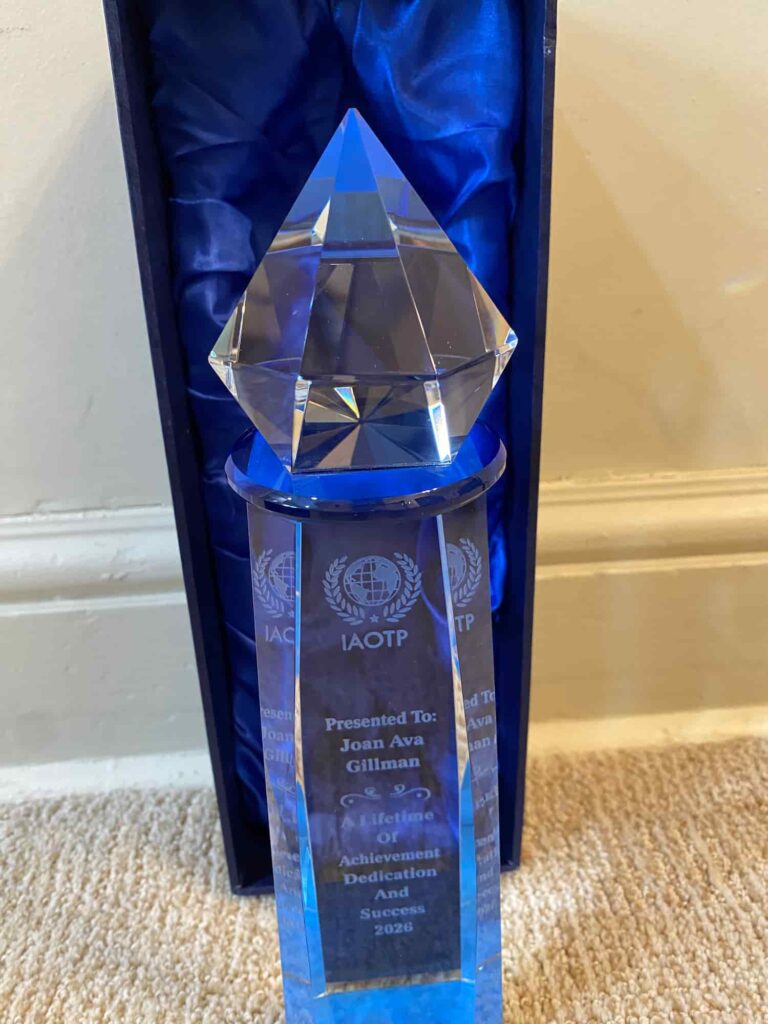
During snowstorms, she measured snowfall with a yardstick, checked the temperature and barometric pressure, and carefully documented each storm with a camera. These early habits reflected a natural love for observation, patience, and scientific thinking. At the time, these activities felt like play, but they were quietly shaping the way she would later approach teaching and learning. We, at The EliteX, are proud to have Joan Gillman as the Dynamic Leader in Education, 2026.
Growing up with an older brother added another layer to her early development. Together, they built robots out of shoeboxes and created model cities using building sets and wooden logs. They even gave their imaginary city a name and imagined how it would function. Winter brought its own form of engineering as they constructed snow tunnels in their driveway, carefully adding escape openings to make sure the structures were safe. These shared moments of creativity, teamwork, and problem-solving taught her how meaningful learning could happen through hands-on experiences. She did not yet realize that these skills would one day form the foundation of her teaching philosophy.
For Joan Gillman, the true measure of success is not an award or recognition, but the moment a student realizes they are capable of more than they once believed.
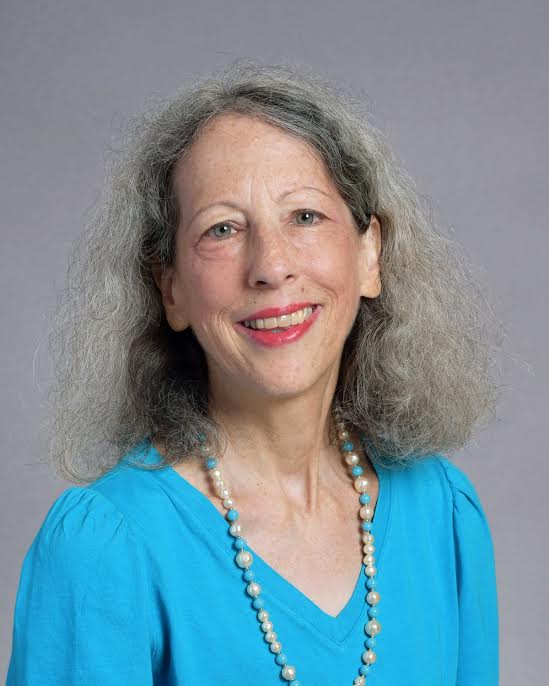
Her interest in becoming a teacher became clearer during high school. Her school required community service for graduation, and she chose to work directly with younger students. She volunteered in a lower school, teaching elementary children how to play the recorder, tutoring them in math, and organizing inclusive playground games. What stood out most was her ability to involve every child, not just those who were naturally confident or athletic. School leadership noticed her thoughtful approach and appreciated the way she created a welcoming environment where all children felt included. At the same time, she taught swimming at a local community center, working with children of different abilities, including those with special needs. Helping students overcome fear and gain confidence brought her a strong sense of purpose. She also worked as a substitute ballet teacher, sharing the joy of movement with young students. These early teaching experiences confirmed for her that education was about far more than academic instruction. It was about building confidence, fostering inclusion, and helping children believe in themselves.
While completing her Master’s Degree in Education, Joan gained valuable experience as a student teacher at a junior high school for deaf students. She worked with profoundly deaf learners in grades seven through nine, teaching science in ways that required creativity and adaptability. Her cooperating teacher strongly believed in hands-on learning and showed her how physical experiences could help students grasp complex scientific ideas. During an electronics unit, students designed and built a miniature amusement park with working rides and attractions. This experience had a lasting impact on Joan. It reinforced the idea that learning should be active and meaningful, especially when students face communication or learning challenges. From that point on, hands-on instruction became central to her teaching approach.
As Joan’s career developed, she came to see education as a powerful tool for shaping future leaders. She believes that a dynamic educator is someone who helps students understand their ability to make a positive impact on the world. From the beginning, she has focused on preserving the natural wonder and curiosity that children bring into the classroom. She understands that science can sometimes feel overwhelming, so she works hard to show students that knowledge is empowering. She wants them to see themselves as capable thinkers who can solve problems and contribute meaningfully to their communities.
This belief is reflected in her work with environmental education and student leadership. During a lesson on global water shortages with her sixth-grade students, she encouraged open discussion about who has access to clean water and who does not. One student was so inspired by the lesson that he decided to take action by joining the school’s Green Team, a student group focused on environmental awareness and sustainability. Under Joan’s guidance, the students researched organizations that support clean water initiatives and chose one to support through fundraising. The students organized the event themselves by creating posters, sharing information, and collecting donations. Their efforts raised over one thousand dollars, showing how learning can lead directly to real-world action.
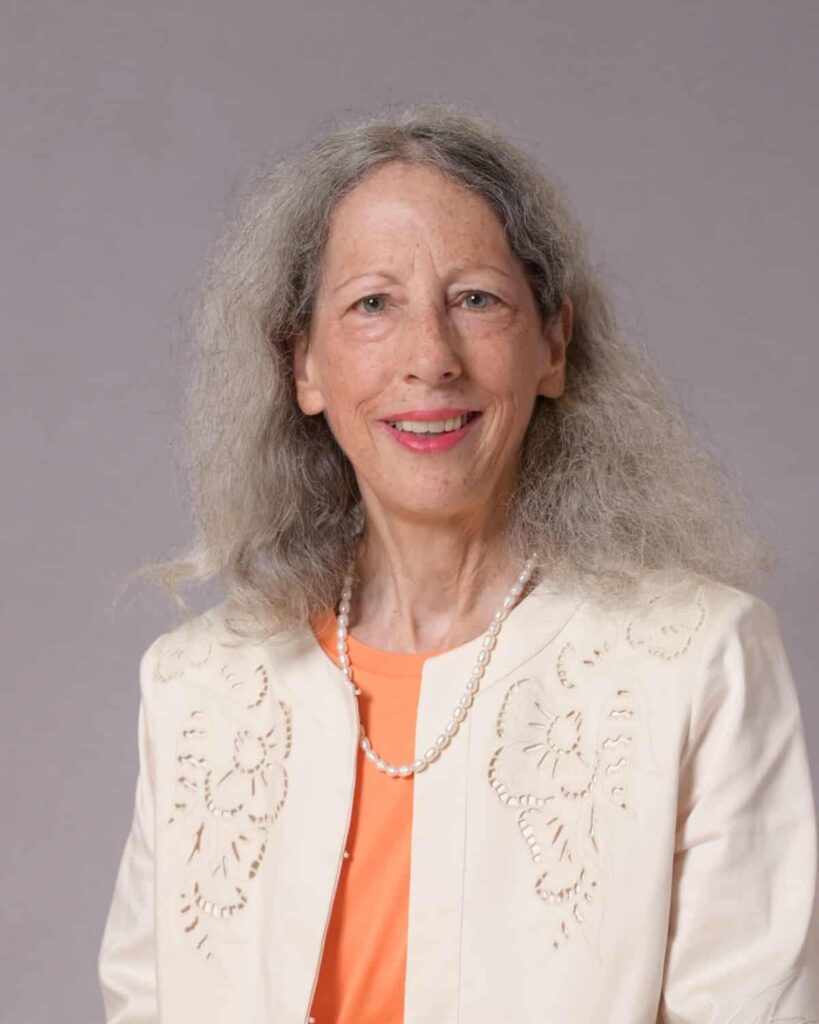
Her approach to science is rooted in action, where understanding the world naturally leads to caring for it.
The Green Team continued to grow in purpose and impact. In another instance, students learned about families who had lost their homes due to a major hurricane. The students felt strongly about helping and decided to organize a week-long fundraiser. Each morning, they collected donations as students and staff arrived at school, and on the final day, they held a bake sale. The event was entirely student-driven, with Joan providing guidance and encouragement. By the end of the week, they had raised over two thousand dollars for disaster relief organizations. Moments like these confirmed her belief that young people are capable of empathy, leadership, and meaningful action when given the right support.
Joan’s dedication to environmental education goes far beyond fundraising. She encourages students to take part in community-based projects such as park cleanups and conservation activities. These experiences help students understand environmental responsibility while developing teamwork and leadership skills. She is careful in how she approaches serious topics like climate change. Rather than frightening students, she focuses on practical steps and hopeful solutions. Through the Green Team, students take ownership of weekly environmental actions such as conserving energy, reducing waste, and recycling properly. By sharing these actions with the wider school community, students learn that small efforts can add up to real change.
Joan Gillman currently teaches at The Browning School, where she has become a deeply respected member of the academic community. At Browning, she teaches science across a wide range of grade levels, from second grade through middle school. This unique opportunity has allowed her to observe how students grow as learners over time and to adapt her teaching methods to meet their developmental needs. The Browning School’s emphasis on academic excellence, character, and community aligns closely with her own values as an educator. Within this supportive environment, she has been able to design hands-on, inquiry-based science lessons, lead environmental initiatives through the Green Team, and collaborate with colleagues to align the curriculum with modern science standards. The culture at Browning encourages innovation and reflection, giving her the freedom to focus on developing confident, curious, and socially responsible students.
Throughout her career, Joan has faced many changes within the education system, especially in the area of technology. When she first began teaching in the early 1980s, classrooms relied on chalkboards and textbooks. The introduction of computers marked a major shift, and at first, the technology felt unfamiliar and challenging. Over time, she learned to embrace new tools and saw how they could enhance learning. Today, she uses interactive boards, student devices, and digital platforms to support instruction. Technology allows her to present visual materials, organize lessons clearly, and accommodate different learning styles. While she values these tools, she also approaches emerging technologies such as artificial intelligence with caution. She believes technology should support learning without replacing critical thinking, creativity, or student effort.

By giving students the space to explore, question, and try again, she shows them that learning is a process, not a test of perfection.
Joan also recognizes broader challenges in education, including how to teach complex and sensitive issues such as climate change. She believes students need accurate information but also reassurance and guidance. Without understanding how the world works, students will not be prepared to make wise decisions as adults. Through her leadership with the Green Team, she empowers students to take action in positive and manageable ways. By promoting simple habits and encouraging student-led discussions, she helps create a school culture rooted in responsibility and care for the environment.
Another challenge she addresses is ensuring that science education exposes students to all branches of the subject. She has worked closely with colleagues to update and align the curriculum with modern science standards. This process requires collaboration, flexibility, and ongoing reflection. She continues to revise and refine her lessons so that students receive a balanced and engaging science education.
Motivating students has always been central to Joan’s teaching philosophy. She strongly believes that education cannot follow a one-size-fits-all approach. Every child enters the classroom with unique strengths, interests, and challenges. Her goal is to make sure that each student feels comfortable, capable, and supported. She designs lessons that tap into students’ natural curiosity while building essential skills. In her fourth-grade rocket project, for example, students design and test rockets while applying math, measurement, and scientific reasoning. They record data, analyze results, and redesign their models, learning that improvement often comes through trial and reflection.
With younger students, she uses engineering projects to build confidence and joy in learning. One popular activity involves designing a bridge strong enough to support a family of elephants. Using recycled materials, students combine science, math, art, and problem-solving in a creative and engaging way. Rather than relying on traditional tests, Joan assesses understanding through participation, collaboration, and thoughtful design.
As students move into middle school, academic expectations increase. Joan works carefully to reduce anxiety and build confidence by introducing new topics through real-world examples and observable phenomena. Students test ideas through lab work, gather evidence, and draw conclusions. She also makes herself available for extra help before school, reinforcing the idea that learning is a process and support is always available.
Innovation in Joan’s teaching comes from flexibility and respect for student voice. She allows students to demonstrate learning in different ways, whether through presentations, videos, written work, or creative projects. This approach values individual strengths and encourages creativity. She also believes strongly in interdisciplinary learning, weaving reading, writing, math, and art into science lessons so students can see how knowledge connects across subjects.
She believes that curiosity is not something students need to be taught, but something educators must protect and nurture.
Inclusivity is a guiding principle in Joan’s classroom. She works to create a respectful learning community where questions are welcomed and differences are valued. At The Browning School, four core values are emphasized throughout the school community – dignity, curiosity, purpose, and honesty – and Joan actively reinforces these values in her teaching every day. Students are encouraged to treat one another with respect, to ask questions without fear, and to contribute according to their individual strengths. By grounding learning in these shared values, she helps students feel safe, confident, and supported as they grow both academically and personally.
Joan also integrates equity and diversity into her curriculum in thoughtful and meaningful ways. In one unit, students examined hurricane relief efforts and explored how aid distribution can reflect social inequalities. In astronomy lessons, students learned about the lack of diversity in early space programs and studied constellation stories from cultures around the world. These lessons help students develop empathy, awareness, and a broader understanding of science as a human endeavor.
Beyond her classroom, Joan has supported educators through writing, research, and professional development. She has authored articles for respected educational journals and contributed curriculum materials to published books. She regularly presents workshops at regional and national conferences, sharing hands-on teaching strategies and encouraging educators to remain curious and engaged in their work. She believes the most effective teachers are lifelong learners who seek collaboration and growth.
Her career has been recognized with numerous awards and honors. While she feels deeply grateful for these recognitions, she views them as reflections of her dedication rather than her motivation. For her, the most meaningful moments come from seeing students gain confidence, develop skills, and discover a love of learning.
Joan believes leadership is grounded in dedication, organization, creativity, and humility. She values listening, collaboration, and openness to new ideas. Over more than four decades in education, she has navigated challenges ranging from teaching in under-resourced communities to adapting during global crises. Whether supporting students through difficult news events or redesigning lessons during remote learning, she has approached every challenge with care and resilience.
Looking ahead, Joan envisions an education system that is more interdisciplinary, inclusive, and environmentally conscious. She believes students must be prepared not only academically but also ethically and socially. By fostering curiosity, responsibility, and empathy, she hopes to prepare future generations to lead with purpose. For Joan Gillman, education is not simply a profession. It is a lifelong commitment to nurturing potential, empowering young minds, and helping shape a better future through learning.
Education, for her, has always been about more than lessons and textbooks – it is about helping children believe in their own ability to learn, grow, and make a difference.