Game-Changing OPEX Leader Pioneering Business Transformation, 2026
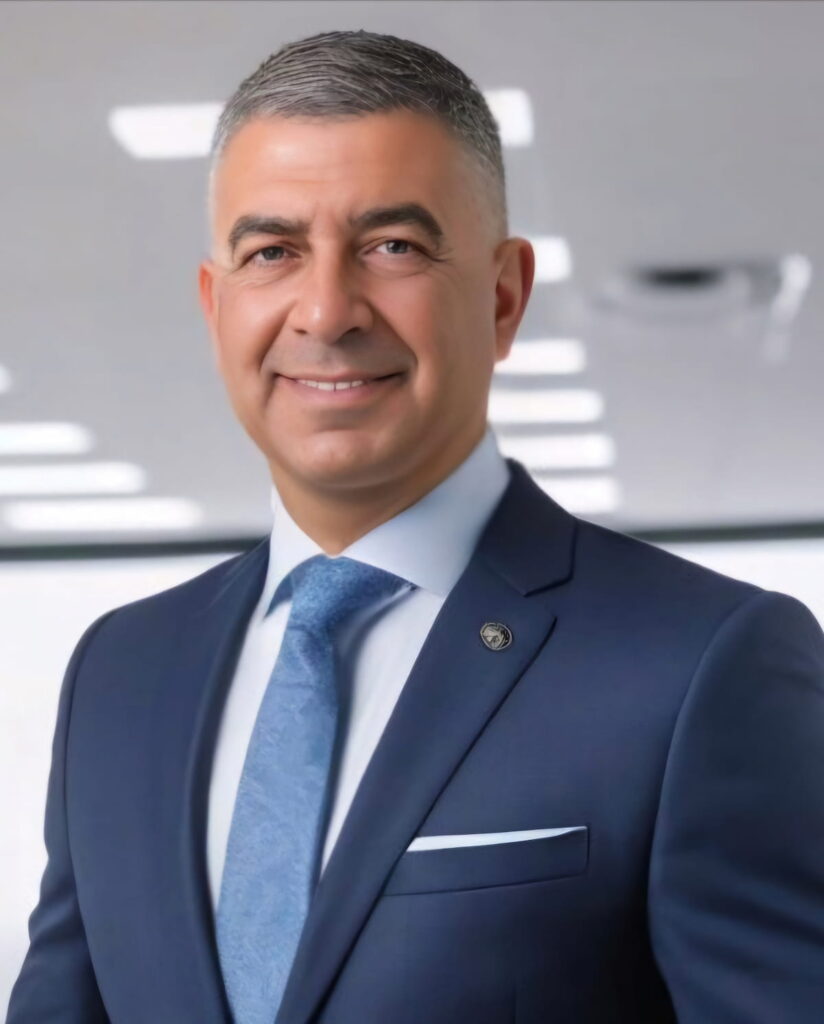
Riad Ardahji – Engineering Excellence Through People and Process
Riad Ardahji, MScE, MBB, built his career on a deep curiosity about how systems work and how they can be improved. From a young age, he showed a natural inclination toward understanding mechanics. As a child, he would take apart toys and household devices, not out of mischief, but out of a genuine desire to understand their inner workings.
Riad Ardahji, MScE, MBB
That curiosity gradually evolved into a clear professional direction when he discovered industrial engineering – a field that blends mathematics, science, and creativity to optimize systems and improve efficiency. We, at EliteX, are honored to introduce Riad Ardahji, MScE, MBB as the Game-Changing OPEX Leader Pioneering Business Transformation, 2026.
His interest became more focused during his time at the University of Tennessee, Knoxville. After attending an engineering open house, he was introduced to the real-world impact of industrial engineering. He saw how engineers could design systems that improve productivity, reduce waste, and create measurable business value. That experience confirmed his decision to pursue industrial engineering not just as a profession, but as a lifelong mission.
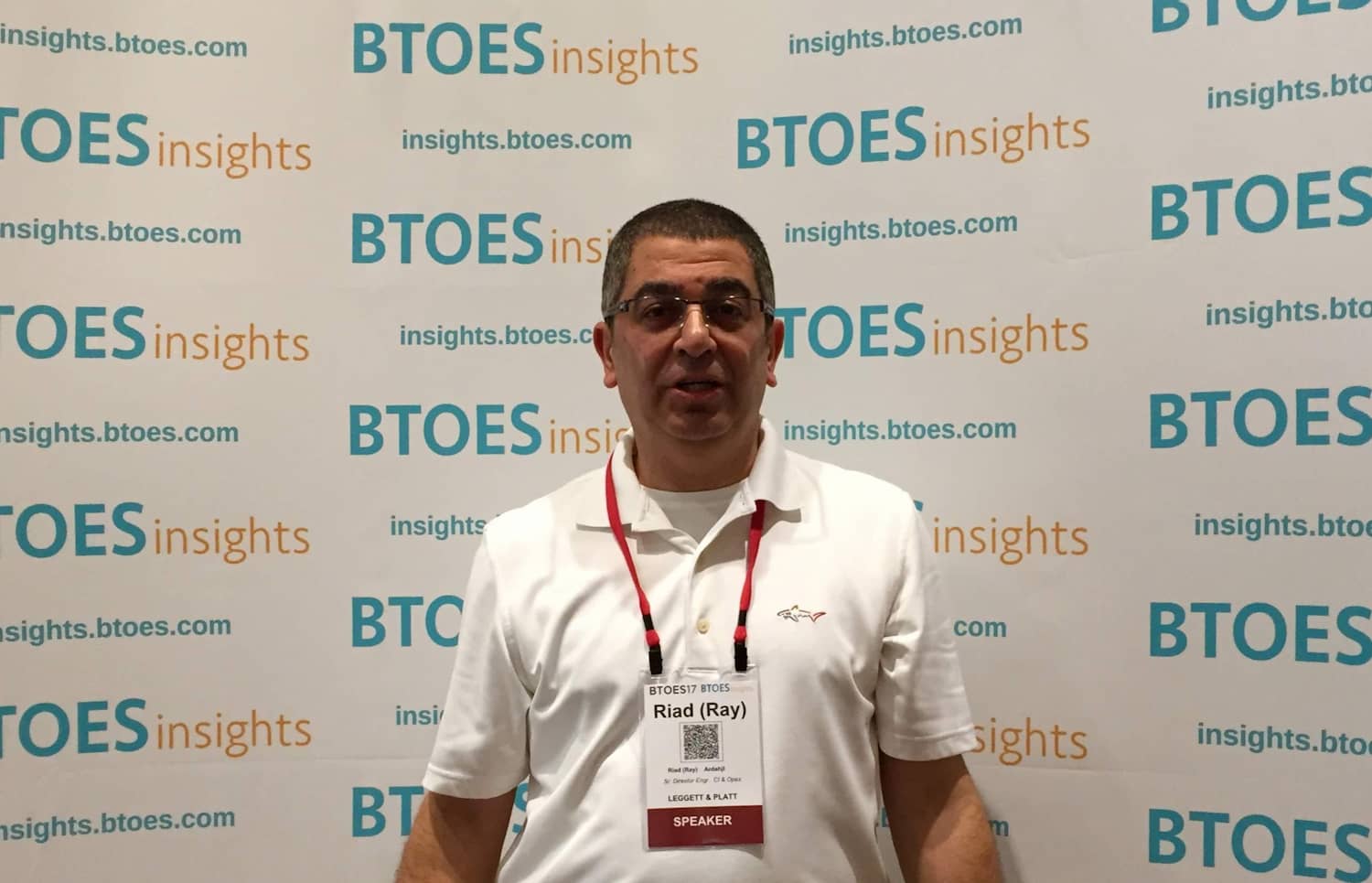
He went on to earn both his Bachelor’s and Master’s degrees in Industrial Engineering from the same university, building a strong technical foundation. Early in his career, he strengthened his engineering capabilities by learning tools such as GD&T, which enhanced his ability to interpret complex product designs. He later achieved Lean Six Sigma Black Belt certification and advanced to Master Black Belt level, along with formal training in the Toyota Production System in Japan. These experiences shaped his structured, data-driven, and disciplined approach to problem-solving.
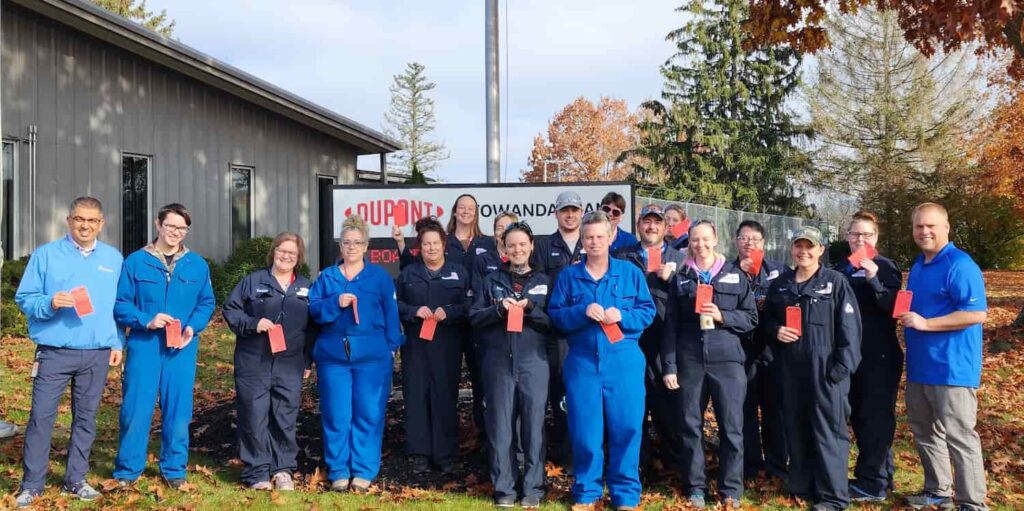
Over the past 25 years, Riad has worked with leading global organizations such as DuPont, Toyota Boshoku America, Leggett and Platt, Zimmer Biomet, Cooper Tire, Denso Manufacturing, BorgWarner, and Saturn Corporation. Across these roles, he consistently delivered measurable improvements in performance, efficiency, and profitability. His work has spanned multiple industries including automotive, medical devices, advanced materials, and manufacturing systems.
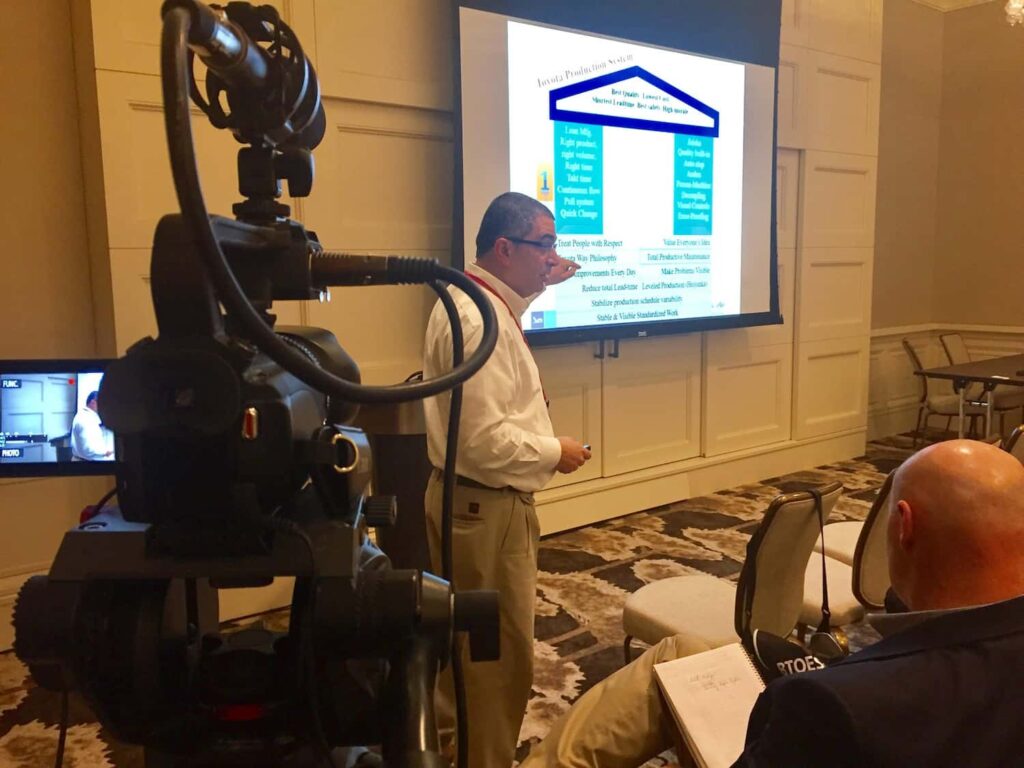
One of the defining aspects of his leadership is his management style, which blends Operational Excellence with academic mentorship. He does not see leadership as simply managing tasks or driving metrics. Instead, he approaches it as a teaching process. Influenced by the Jidoka philosophy from the Toyota Production System, he focuses on building quality at the source while strengthening the connection between people and machines. He invests time in coaching individuals, translating complex engineering concepts into practical actions, and developing future leaders through hands-on guidance.
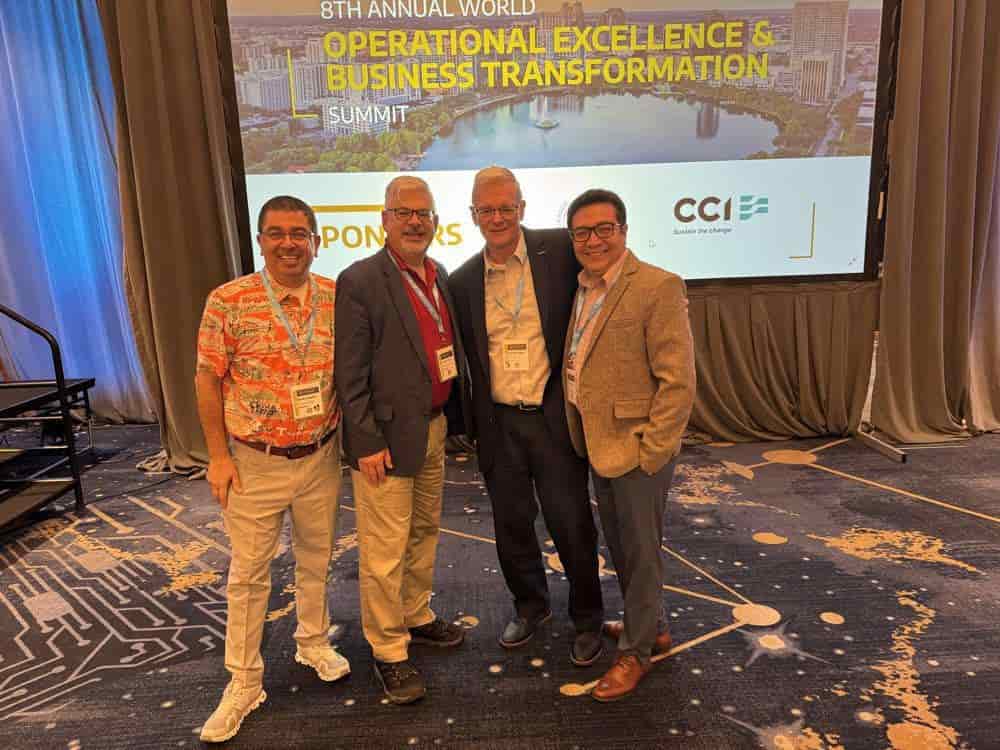
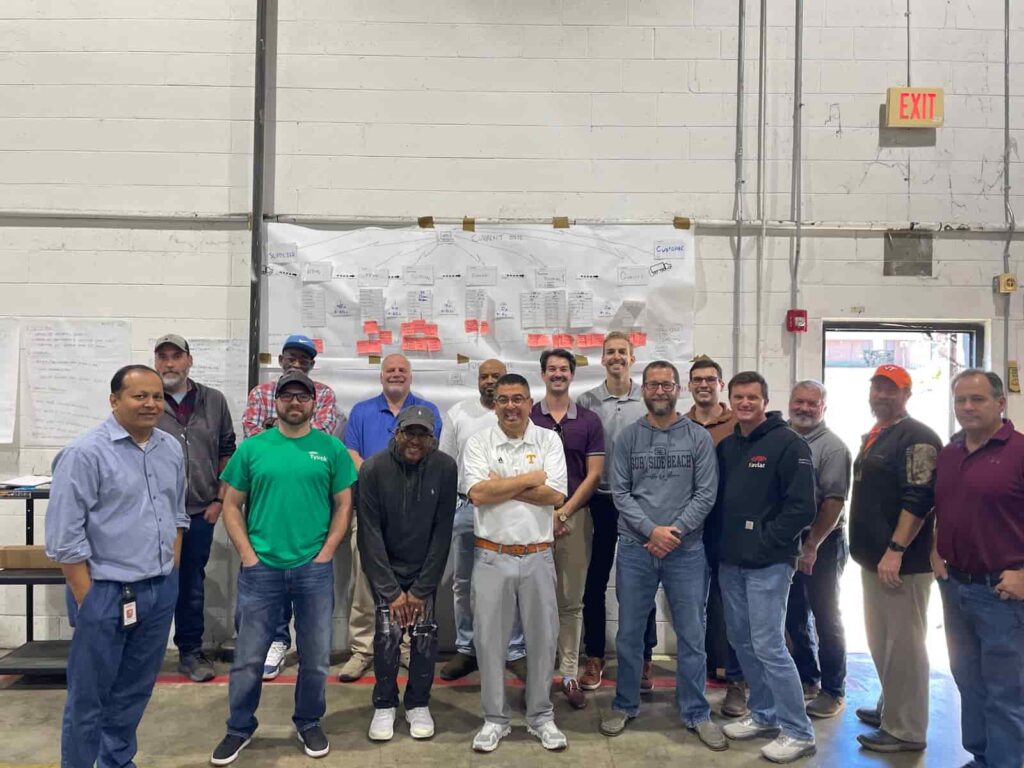
His time as an adjunct professor at Indiana Institute of Technology further reinforced this approach. Teaching subjects such as safety engineering, reliability, statistics, and lean manufacturing allowed him to bridge theory and practice. He also mentored engineering students from institutions like Purdue and Indiana Tech, helping them develop both technical skills and real-world problem-solving capabilities.
Operational excellence is not a project – it is a daily habit built on clarity and accountability.
Throughout his career, Riad has led major transformation initiatives. At DuPont, he led the Operations Excellence transformation within the Kevlar unit, significantly improving equipment effectiveness and product yield. At Cooper Tire, he directed global lean assessments and implemented a large-scale Layered Process Audit system used by hundreds of employees worldwide. At Zimmer Biomet, he introduced global KPI systems, led asset optimization strategies, and pioneered advanced automation initiatives including an unmanned robotic production line.
Among all his contributions, one project stands out as a defining milestone – the development of the Honky-Tonk Andon system. This system represents his evolution from a practitioner of Lean principles to an innovator. Built on the concept of Jidoka, it bridges the gap between human intervention and machine efficiency. It is not just a tool, but a practical application of industrial engineering philosophy that improves visibility, reduces downtime, and enhances Overall Equipment Effectiveness. The system has also become a foundational concept in his thought leadership and upcoming work on Jidoka.
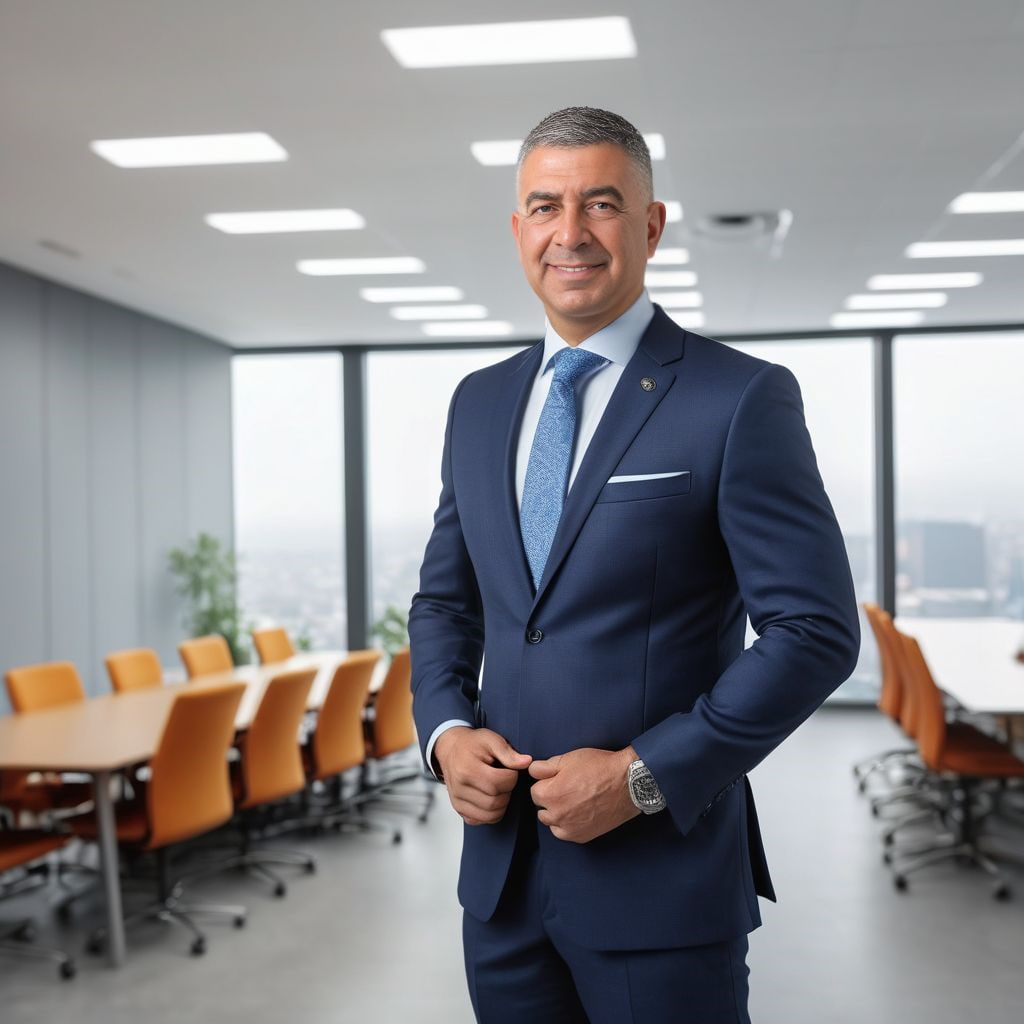
Riad’s career has not been without challenges. Early on, he faced communication barriers when working across cross-functional teams. He also had to operate within tight budget constraints and deal with resistance to change from stakeholders. Instead of viewing these as setbacks, he treated them as learning opportunities.
He strengthened his communication skills, used data to justify decisions, and built trust through consistent results. Over time, these experiences shaped him into a more effective leader and change agent.
A typical day in his role reflects the wide scope of industrial engineering. He may analyze production data, design process improvements, conduct time studies, facilitate lean workshops, or mentor teams. He works across functions, aligning manufacturing, logistics, procurement, and leadership teams toward common goals. His role is not limited to technical execution. He also acts as a cultural driver, helping organizations adopt new ways of thinking and operating.
What he finds most rewarding is seeing tangible improvements. Whether it is reducing waste, increasing efficiency, improving safety, or driving cost savings, he values outcomes that can be measured and sustained. He also enjoys solving complex problems and collaborating with diverse teams. At the same time, he recognizes the challenges of balancing technical precision with business priorities, managing complex data, and communicating effectively with non-technical stakeholders.
Riad strongly believes in continuous learning and professional development. Certifications such as Lean Six Sigma and advanced training programs have played a key role in his career. They not only validate expertise but also demonstrate commitment to improvement. He encourages professionals to invest in their development and remain adaptable in a rapidly changing environment.
Sustainable growth begins where disciplined data meets human understanding.
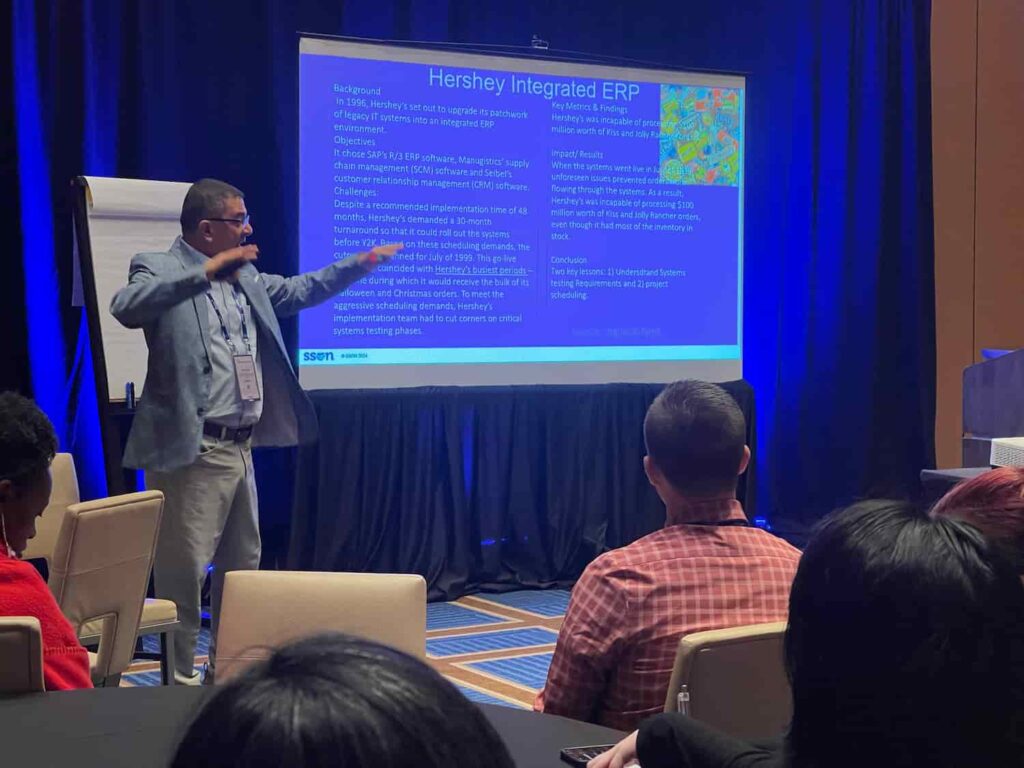
Looking toward the future, he sees industrial engineering evolving through the integration of advanced technologies. Industry 4.0 and the emerging shift toward Industry 5.0 are transforming the field. Technologies such as IoT, artificial intelligence, robotics, and digital twins are changing how systems are designed and managed. However, he emphasizes that the future is not just about automation. It is about intelligent systems that combine human insight with machine capability.
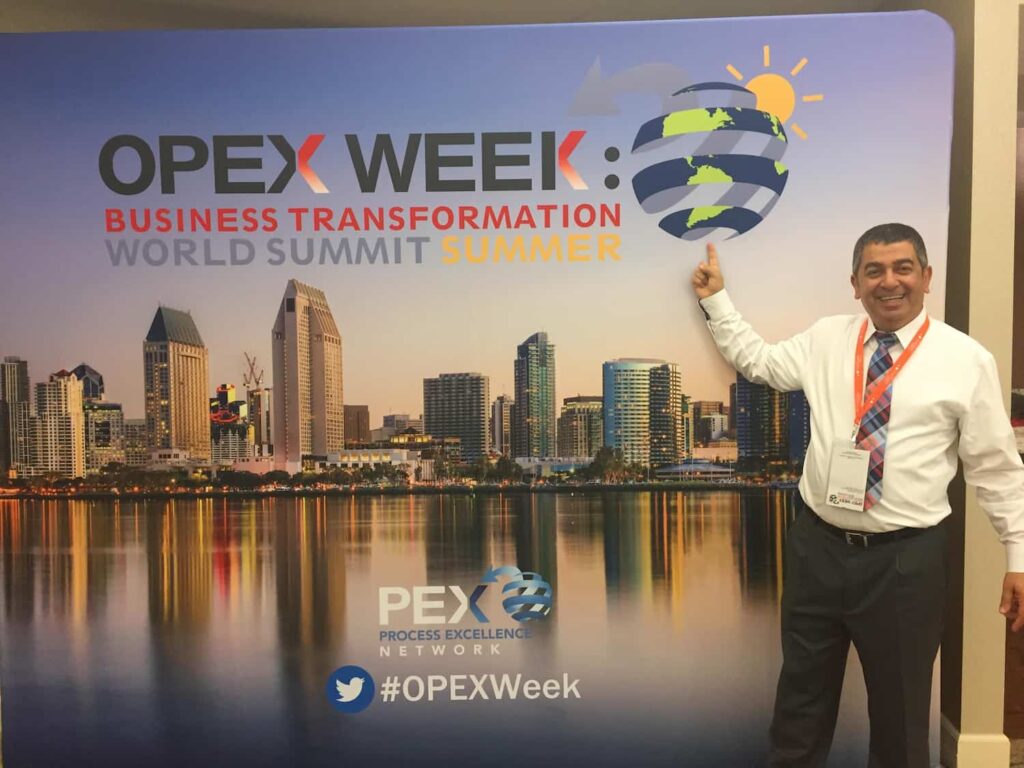
For him, shaping the future of industrial engineering means balancing timeless principles with modern innovation. He describes this vision through several key ideas. First is the revitalization of Jidoka, where machines are designed to detect problems and ensure quality automatically. Second is bridging the gap between standard software and practical shop-floor needs through custom solutions like his Andon system. Third is mentorship, ensuring that the next generation of engineers understands both traditional lean principles and modern technologies. Finally, it involves leadership that integrates operational excellence with digital transformation.
He also brings a structured approach to balancing creativity and practicality. Rather than treating them as opposing forces, he integrates them through disciplined methods. He focuses on simplifying complex systems, ensuring that innovations are usable and effective for frontline workers. He applies servant leadership principles, prioritizing the needs of clients and teams while grounding decisions in data. His approach combines analytical rigor with human connection, ensuring that solutions are both technically sound and culturally accepted.
Throughout his journey, he has been influenced by key mentors who shaped his thinking. Leaders such as Tom Eustis helped build his technical discipline, while Charles Aikens contributed to his strategic and operational vision. Hugh Hirahata played a significant role in shaping his understanding of Lean as a cultural philosophy, reinforcing the importance of human-centric leadership and continuous improvement.
Riad is also deeply committed to guiding future engineers. He advises students to focus not only on technical knowledge but also on communication, systems thinking, and real-world experience. He encourages them to understand the full system rather than isolated tasks, build a strong foundation in Lean principles, and gain hands-on exposure in manufacturing environments. He believes that industrial engineers must act as change managers who can influence both systems and people.

As the field continues to evolve, he highlights the importance of new skill sets. Data analytics, artificial intelligence, digital twin technology, and sustainability are becoming essential areas of expertise. Future engineers must also develop skills in human-centric design, agile project management, and ethical decision-making. The ability to influence, communicate, and lead change will be just as important as technical proficiency.
Riad also sees strong opportunities for industrial engineers in sectors such as healthcare, consulting, and logistics. These industries require optimization, efficiency, and system-level thinking, making them ideal environments for industrial engineering expertise.
Beyond his current leadership roles, he is focused on several future initiatives. One of his most significant projects is writing a book on Jidoka, where he aims to redefine the concept for the digital age. This work will combine his decades of experience with modern technological perspectives, offering a new framework for intelligent automation. At the same time, he is pursuing a PhD, aiming to bridge the gap between academic research and real-world industrial practice. These efforts reflect his commitment to both knowledge creation and practical application.
Sustainable transformation begins when people take ownership of improvement.
At his core, Riad Ardahji is a transformational leader who combines technical expertise, strategic thinking, and human-centered leadership. He believes in empowering teams, building accountability, and creating systems that drive sustainable results. His career reflects a consistent focus on improving operations, developing people, and delivering measurable value.
From his early curiosity about how things work to leading global transformation programs, his journey highlights the true essence of industrial engineering. It is not just about machines or processes. It is about designing better systems, enabling people to perform at their best, and shaping a future where efficiency, innovation, and sustainability go hand in hand.
Major Transformation & Operational Excellence Achievements
- Led the rollout of the global OPEX program at DuPont – Aramids (Kevlar) business unit, improving OEE from 72 percent to 81 percent and yield from 78 percent to 91 percent within one year.
- Successfully transformed RTI Surgical Metals Unit into four End-to-End product-focused operating business units.
- Directed the Global Lean Assessment Team (Cooper Production System) across North America, EMEA, and APAC for Cooper Tire.
- Implemented a global electronic Layered Process Audit (e-LPA) system at Cooper Tire with more than 500 global users and over 1,000 audits per week.
- Championed the Global Complexity Reduction initiative at Cooper Tire within a matrix organization structure.
- Served as Global PMO lead at Zimmer Biomet for Supply Chain, Strategic Sourcing, Facilities, and OPEX initiatives totaling 260 million dollars out of a 400 million dollar portfolio, achieving 295 million dollars year-to-date performance.
- Completed proof of concept for the first unmanned robotic flexible knee production line at Zimmer Biomet, reducing cost by over 28 percent.
- Reduced backorders from 5.5 million dollars to less than 1 million dollars in under six months through phased Lean PMO transformation for a medical device organization.
- Identified and redeployed over 100 global capital assets at Zimmer Biomet, generating 1.2 million dollars in savings.
- Developed and implemented a global Daily Management System and KPI Scoreboard to drive Operations Excellence at Zimmer Biomet.
- Handpicked by Toyota Boshoku America CEO to lead Toyota’s Monozukuri activities in North America.
- Managed a 58 million dollar operational budget and led 57 direct and indirect reports at Toyota Boshoku America.
- Chosen by the CEO of Leggett and Platt to transform Syndicate Systems division into a leaner organization, achieving double-digit returns within two years.
- Achieved more than 2 percent annual reduction in Cost of Goods Sold at Leggett and Platt through Kaizen events, TPM, 6S, and Standard Work implementation.
- Developed the Honky-Tonk Andon system based on Jidoka principles, improving OEE by an average of 10 percent.
- Led Robotic Center of Excellence initiatives at Leggett and Platt, delivering over 1.3 million dollars in annual savings through automation projects including U-shape assembly lines, robotic weld cells, container optimization, and vision systems.
Improved Sigma level from 4 to 5 within six months in turnaround assignments.
Excellence is never an accident – it is engineered with discipline, data, and determination.

Awards and Recognition
- Awarded CEO Continuous Improvement Excellence Award at Leggett and Platt – Syndicate Systems (2010).
- Received Sourcing Functional Team of the Year Award at Zimmer Biomet (2014).
- Selected as Elkhart County’s Best and Brightest (2007).
Professional Certifications and Distinctions
- Earned Lean Six Sigma Black Belt certification from the University of Tennessee, Knoxville (2008).
- Achieved Lean Six Sigma Master Black Belt status.
- Completed Malcolm Baldrige National Quality Examiner training through NIST (2014).
- Trained in Toyota Production System in Japan.
- Co-founder of a Lean Six Sigma professional group in Southwest Michigan in collaboration with industry leaders including Stryker, Parker Hannifin, Pfizer, and Perrigo.
These achievements collectively reflect Riad Ardahji’s 25-plus-year track record of driving measurable operational improvements, leading global transformation programs, and building sustainable Operations Excellence cultures.
