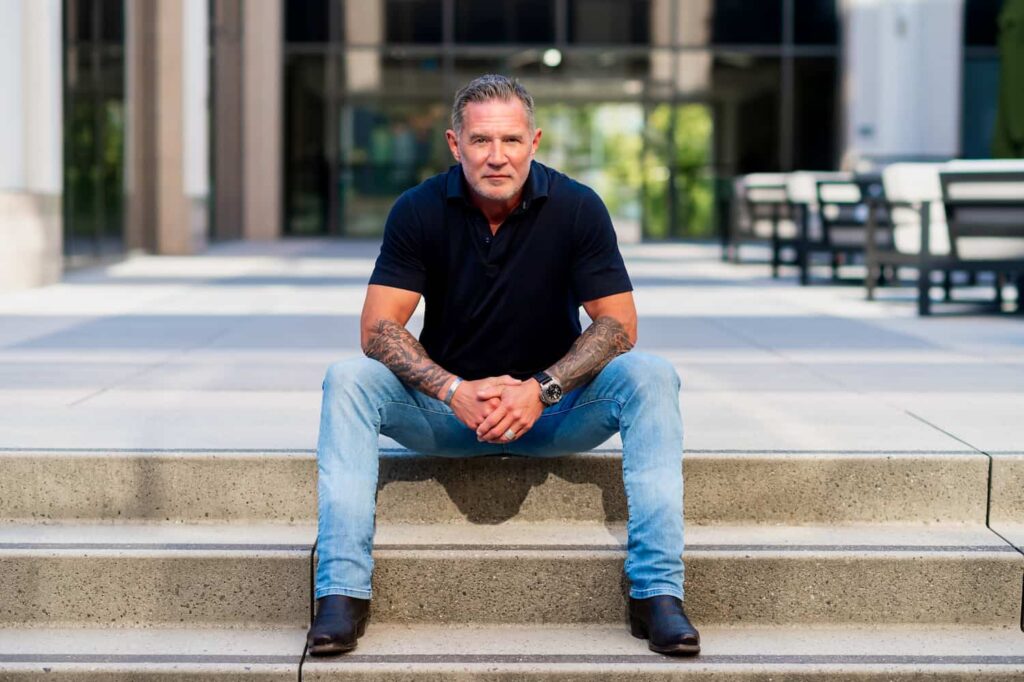
George Randle | Managing Partner | Randall Partners
George Randle is a Managing Partner at Randall Partners, a trusted talent advisor, executive selector, and co-author of The Talent War. His career has been shaped by leadership under pressure and by a clear understanding that the right people in the right roles determine whether organizations win or lose. He began his professional journey as a U.S. Army officer, where he learned that leadership is not theoretical and consequences are real. In the military, decisions about people are directly tied to mission success. That mindset stayed with him long after he transitioned into corporate HR and talent leadership roles. The environment changed, but the stakes did not. Instead of hazardous missions, he found himself helping companies scale, transform, and compete in demanding markets. Over more than two decades, he has built and led teams at scale and sat in executive rooms where leadership decisions shaped the future of companies. At EliteX, we are proud to have George Randle as Cover Story of the edition: Most Inspirational Speakers to Follow, 2026.
Speaking became a natural extension of his work. After years of advising organizations, he realized that many leaders still treated hiring as an administrative task instead of a strategic one. He saw companies invest heavily in product development, technology systems, and acquisitions, yet approach executive selection casually. He found this disconnect costly and avoidable. He decided to speak because he believed that selection is destiny. The people placed in key roles shape culture, performance, and long-term results. Too often, leaders realize the importance of selection only after a poor hire damages momentum, morale, or financial outcomes. His mission as a speaker is to help organizations stop gambling with their most important decisions.
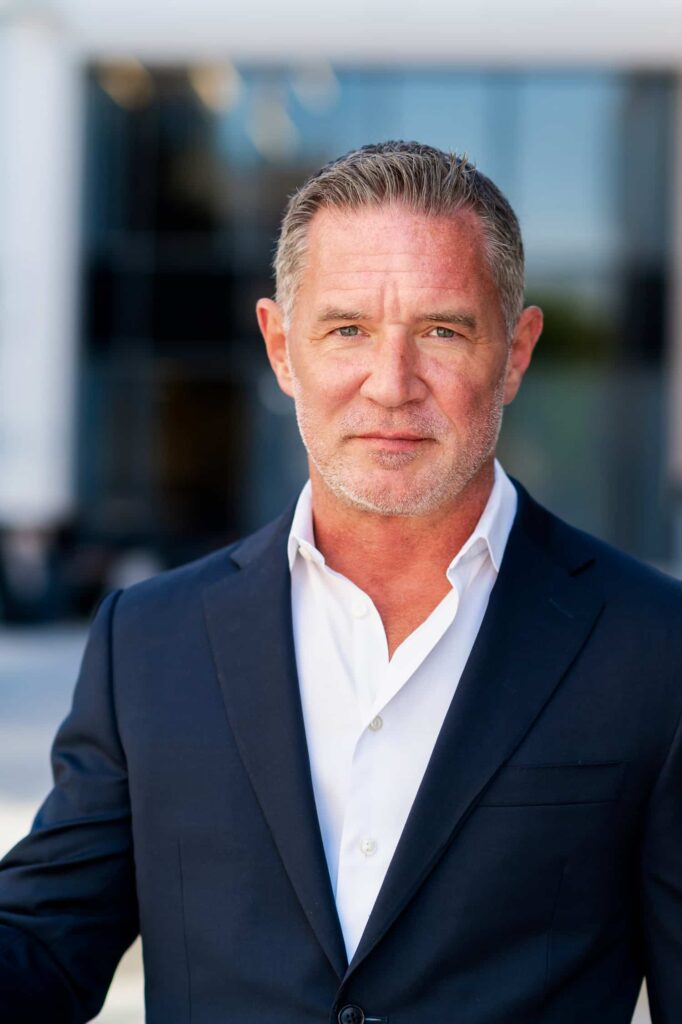
The right leader in the right mission changes everything – culture, results, and long-term value
At the center of his message is a simple but powerful idea: elite performance is built, not hoped for, and it starts with selection. He challenges leaders to stop hiring for resumes and start hiring for the mission. In his view, a strong background or impressive title does not guarantee success in a specific environment. Every role exists within a particular context – defined by pressure, pace, expectations, and culture. Effective selection requires clarity about the mission and the attributes needed to succeed in it. He encourages organizations to look beyond general talent and identify the right talent for their specific objectives.
His ideal audience includes boards of directors, CEOs, private equity operating partners, CHROs, and executive teams. These are individuals who carry real accountability. Their decisions affect shareholder value, employee livelihoods, and long-term strategy. He enjoys speaking to these groups because the stakes are high and the conversations are meaningful. These leaders are not looking for motivational slogans. They need practical, repeatable systems that help them make better decisions under pressure. His approach speaks directly to that need.
Early in his speaking career, one of his main challenges was delivering hard truths without alienating his audience. Many business leaders are proud of the systems they have built. Even when those systems have flaws, there can be defensiveness. He learned to ground his message in outcomes, data, and real-world examples rather than opinion. By showing the measurable cost of poor selection – high turnover, missed targets, cultural decline – he helped leaders see the connection between process and performance. Over time, his credibility and direct style earned respect. He does not aim to entertain. He aims to help organizations win.
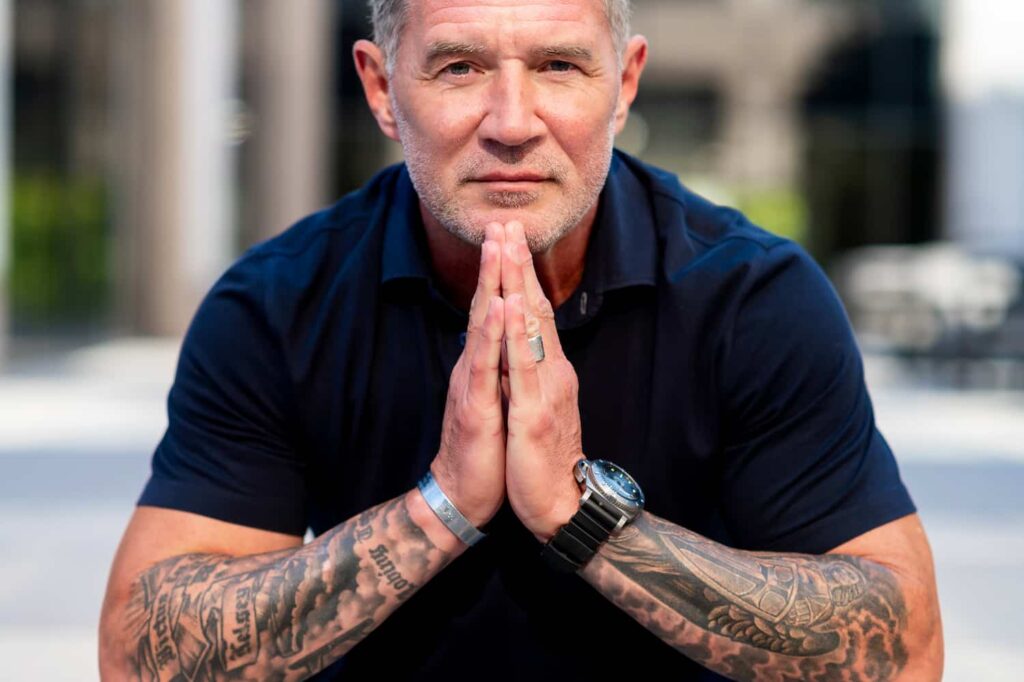
His military background strongly shapes his speaking style. In the Army, clarity is not optional. Standards are clear, accountability is constant, and results matter. Intentions do not override outcomes. This philosophy carries into his work with executives. He emphasizes that a person can be talented and still be wrong for a particular mission. That distinction is critical. His talks reflect this mindset – direct, mission-focused, and grounded in practical application. He believes that if a selection system is sloppy, the outcomes will be inconsistent no matter how intelligent or hardworking the team may be.
If your hiring process is casual, your outcomes will eventually reflect that
What sets his talks apart is their operational focus. Many leadership presentations emphasize inspiration or theory. George Randle delivers a playbook. He draws inspiration from high-performance environments, including Special Operations selection frameworks, and translates those lessons into practical systems for corporate leaders. He emphasizes that process drives product. The way an organization selects leaders becomes the foundation for culture and results. When he speaks, audiences leave with tools they can implement immediately.
Emotional connection in his sessions comes from authenticity rather than performance. He speaks about real situations – leaders who burned out, teams that lost trust, and high performers who left because of misaligned leadership. He asks direct questions that require honest reflection. He invites leaders to consider the hires they doubted but moved forward with anyway. He encourages them to calculate the cost of those decisions. By naming experiences that many executives have lived through, he builds trust and engagement. His approach respects the intelligence and experience of his audience.
One of the most meaningful pieces of feedback he has received from an audience member was that he provided language for something they felt but could not articulate. That clarity enabled them to take action. He often hears leaders express regret about previous hires and wish they had encountered his framework earlier. While those comments reflect past pain, they also validate the importance of raising standards. For him, the ultimate goal of speaking is not applause but improved decision-making.
Preparation is central to his effectiveness. Before any keynote or executive session, he studies the audience. He identifies who will be in the room, what pressures they are facing, and which decisions are most urgent. He structures his presentation like an operational brief – clear objectives, focused structure, and relevant examples. He builds moments that resonate strongly because they reflect common realities. Then he provides specific tools to address those realities. His preparation ensures that his message is tailored rather than generic.
Storytelling plays an important role in his delivery. He uses stories as concise case studies. Each story highlights a decision, its consequence, and the lesson learned. He believes data appeals to logic, but stories influence behavior. By combining both, he creates a balanced approach that moves audiences from understanding to action. His stories are not dramatic for the sake of entertainment. They are purposeful and tied to clear principles.
Elite performance does not happen by accident – it begins with disciplined selection
He remains motivated because he sees the impact of effective selection firsthand. When organizations get leadership selection right, alignment improves, culture strengthens, and performance accelerates. When they get it wrong, the consequences ripple through every level of the organization. He views his work as mission-critical rather than motivational. Helping leaders raise their standards has tangible results. That practical impact fuels his continued commitment.
For aspiring speakers, he emphasizes credibility and usefulness. He advises them to earn their message through experience before building a personal brand. Substance must come before visibility. He encourages them to understand their audience’s challenges deeply and to deliver insights that can be applied immediately. Practice, in his view, is essential. Clear communication is not accidental. It requires discipline and refinement.
Among his proudest achievements is earning trust in high-stakes rooms. Boards and executive teams operate under intense scrutiny and responsibility. Being invited into those conversations is a privilege that reflects credibility. He is also proud of helping organizations professionalize their selection systems rather than relying on intuition alone. Co-authoring The Talent War expanded his reach and allowed his ideas to influence a broader audience. Seeing those principles adopted across industries confirms that standards are rising.
Looking ahead to 2026 and beyond, George Randle’s goals remain focused. He aims to help more organizations institutionalize elite selection practices at senior levels so that performance does not depend on luck or a single strong leader. He has a new book scheduled for release in August that focuses specifically on senior-level hiring. Through that platform, he plans to continue working with boards, CEOs, and investors to strengthen executive selection processes. His objective is straightforward: reduce avoidable leadership failures and build teams designed to win.
Selection is not an HR task – it is the most strategic decision a leader makes