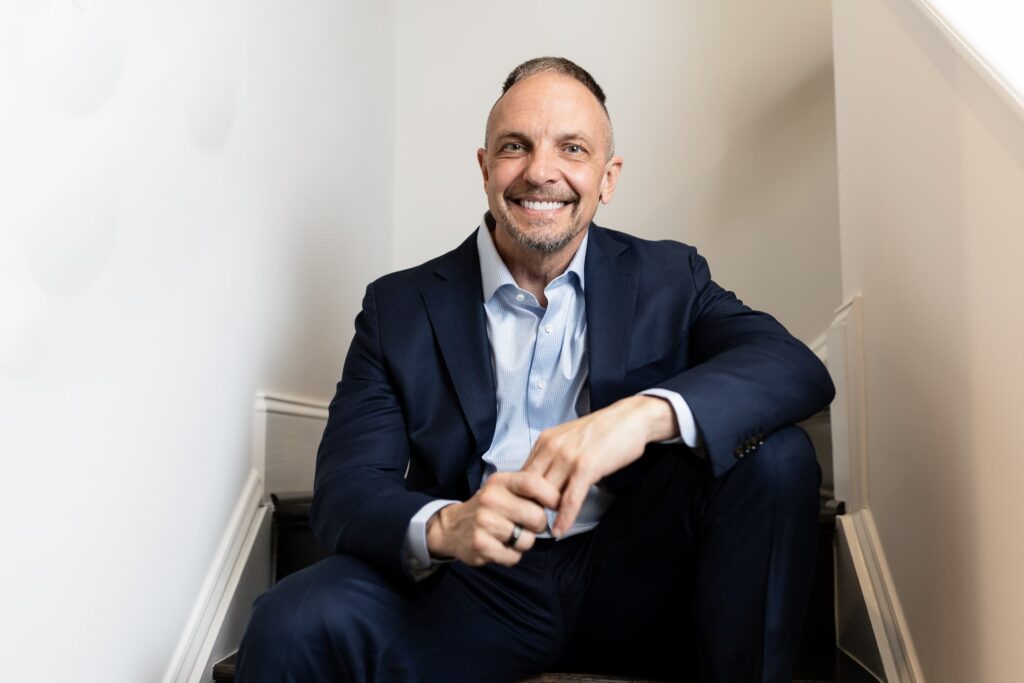
Dr. Eric Cole | Founder | Secure Anchor Consulting
Dr. Eric Cole is a respected cybersecurity leader whose career has been shaped by deep curiosity, strong discipline, and a clear sense of responsibility. From an early age, he was interested in understanding how systems work, whether they were physical, digital, or organizational. That curiosity naturally led him toward computer science at a time when the internet was still developing and cybersecurity was not yet a defined profession. He entered the field when few people fully understood the risks that would later become central to modern life. At EliteX, we are proud to have Dr. Eric Cole as Cover Story of the edition: Visionary Leaders in Cybersecurity, 2026.
Early in his career, Dr. Cole worked in the intelligence community, where he was involved in offensive cybersecurity. This experience gave him rare insight into how attackers think and how easily digital systems can be compromised. He learned that many failures do not come from advanced attacks, but from basic assumptions and human error. Seeing systems break from the inside helped him understand just how fragile digital infrastructure can be. These lessons stayed with him and shaped his long-term view of cybersecurity.

Resilience matters more than perfection in the digital world.
As the internet became essential to business, government, and everyday life, Dr. Cole began to see the wider consequences of insecurity. Cyber failures were no longer limited to computers. They affected hospitals, families, financial systems, and public trust. While offensive work was technically challenging, he realized that true impact would come from helping organizations defend themselves and think more responsibly about risk. This realization marked a turning point in his professional journey.
He shifted his focus from offense to defense and later founded Secure Anchor Consulting with a clear mission. His goal was not only to help organizations respond to cyber incidents, but to help them think differently about security at a leadership level. He believed that cybersecurity should not be driven by fear, confusion, or constant reaction. Instead, it should be guided by clarity, strategy, and long-term thinking. Over time, his work expanded beyond technology into leadership, governance, and organizational culture.
Dr. Cole did not choose cybersecurity because it was popular or well defined. In fact, when he entered the field, it was neither. He chose it because he saw that digital systems were becoming the foundation of modern society, while very few people were asking what would happen when those systems failed. He understood early that security gaps were not just technical problems. They were failures of awareness, design, and leadership. This combination of technical complexity and human responsibility is what drew him to the field.

For Dr. Cole, cybersecurity has always been about people. A data breach is not just a technical event. It can disrupt healthcare, damage livelihoods, and destroy trust. As dependence on technology increased, the consequences of insecurity grew even larger. He saw cybersecurity as a way to work on problems that truly matter, problems that affect real lives beyond computer screens. This sense of purpose has remained central to his work.
He defines a visionary cybersecurity leader as someone who focuses on direction rather than tools. In his view, true leadership is not about chasing every new technology or reacting to every headline. It is about understanding what matters most today and what will matter years into the future. Cybersecurity decisions, he believes, are business decisions with long-term impact. Leaders must be able to make those decisions with confidence and clarity.

Strong security comes from clarity and discipline, not from fear.
Communication plays a critical role in that leadership. Dr. Cole believes cybersecurity leaders must be able to translate technical risk into language that executives can understand and act upon. Talking only about vulnerabilities and alerts disconnects security from real decision-making. Effective leaders focus instead on impact, tradeoffs, and outcomes. Without that translation, security remains isolated and ineffective.
He also emphasizes that strong leaders do not lead with fear. Fear creates short-term thinking and paralysis. Visionary leaders provide calm direction and purpose. They help organizations move forward securely rather than freeze in uncertainty. This mindset is central to how Dr. Cole approaches both leadership and consulting.
When discussing today’s biggest cybersecurity threats, Dr. Cole often points out that the most dangerous risks are not purely technical. Attackers increasingly target people because human behavior is easier to manipulate than machines. Social engineering, impersonation, and deception have become more effective as technology improves. Many organizations underestimate how vulnerable individuals can be under pressure or urgency.
Another major risk he identifies is overconfidence in technology. Many organizations believe that buying more security tools automatically improves protection. In reality, this often adds complexity and creates blind spots. Systems become connected faster than teams can fully understand or manage them. Small gaps can combine into serious failures. Without clear priorities, even strong tools can fail.
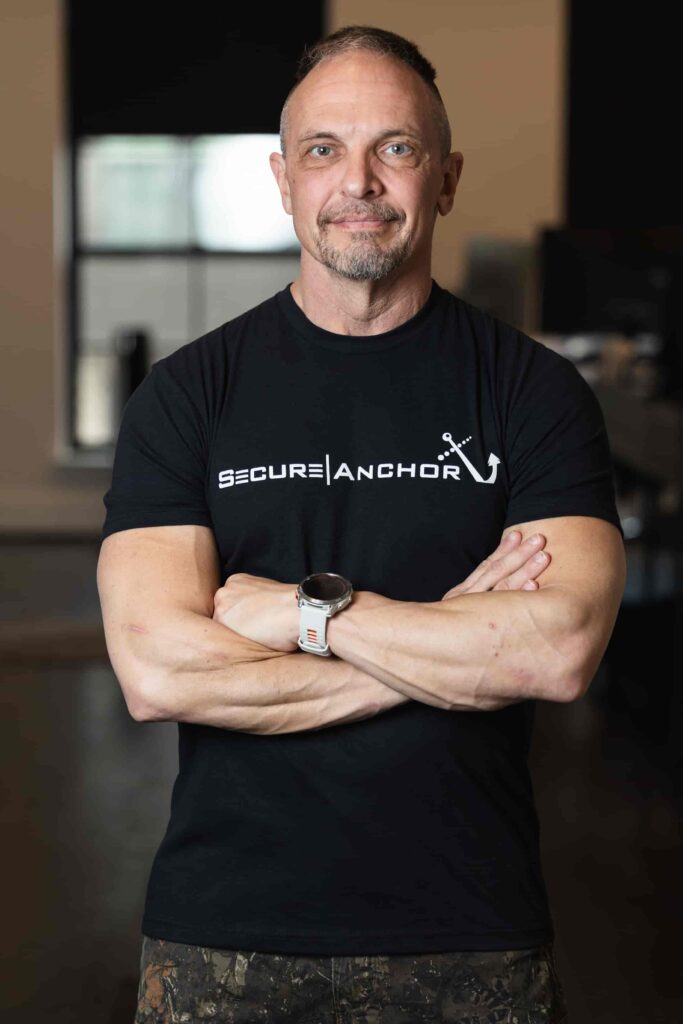
A lack of clarity around risk is another common issue. Many organizations have not clearly defined what they are willing to protect most or what level of risk they are willing to accept. Without those decisions, security becomes reactive and inconsistent. Dr. Cole sees this lack of focus as one of the most dangerous vulnerabilities organizations face.
At Secure Anchor Consulting, his approach starts with clarity rather than technology. He believes most organizations already own more tools than they can use effectively. What they lack is a shared understanding of what truly matters. His team works closely with leadership to define risk posture, identify critical assets, and align security with business goals. Security, in his view, should support growth, not slow it down.
He also focuses on empowerment rather than dependency. His goal is not to make organizations reliant on external experts, but to help them build internal confidence and capability. Long-term security comes from informed leaders and disciplined execution. Outsourcing responsibility may solve short-term problems, but it does not build resilience.
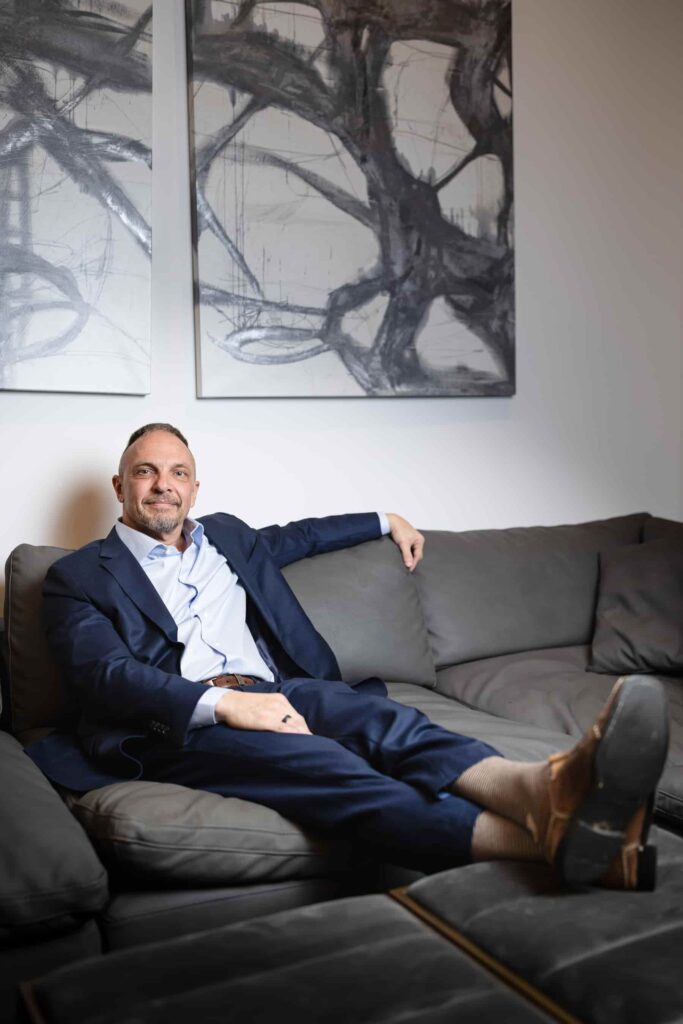
Cybersecurity is a leadership responsibility, not just a technical function.
Leadership, according to Dr. Cole, is the foundation of a strong cybersecurity culture. Policies and tools matter, but leadership behavior matters more. Employees follow what leaders do, not just what they say. When leaders treat security as a priority, the organization follows. When leaders ignore it, risk grows quietly.
He also believes in creating environments where people feel safe reporting issues early. Blame and fear discourage transparency, while openness keeps small problems from becoming large ones. Executives must hold themselves to the same standards they expect from others. Personal accountability at the top sends a powerful message throughout an organization.
To stay current in a fast-moving industry, Dr. Cole focuses on patterns rather than noise. He avoids being distracted by headlines and marketing trends. Instead, he studies how attacks evolve, how behavior changes, and where the same weaknesses appear repeatedly. He also stays grounded in fundamentals, knowing that core principles of prevention, detection, and response do not change, even as tools evolve.
Looking ahead, he believes artificial intelligence will reshape cybersecurity by making deception faster and more personal. Trust and identity will become harder to verify. At the same time, organizations will shift from trying to prevent every incident to building resilience. Detection speed, response coordination, and recovery will become more important than perfection.

Dr. Cole measures success not by the absence of incidents, but by calm and effective response. He believes strong organizations are those that understand their risks, make conscious decisions, and operate without relying on individual heroes. His long-term goal is to help build a digital world where technology creates opportunity without unnecessary harm, guided by leadership rather than fear.