
Edith Hamilton | Executive Coaching and Consulting | NEXT New Growth
Edith Hamilton is an executive coach who works primarily with CFOs and senior C-suite leaders, especially those in private equity-backed companies. Her clients operate in high-pressure environments where performance is measured closely and expectations are demanding. She understands that world deeply because she lived in it for more than two decades before becoming a coach. At EliteX, we are proud to have Edith Hamilton as part of the edition: Transformational Female Coaches to Follow, 2026.
Before launching her coaching practice, Edith spent 25 years in finance and operations. She began her career in private equity investment banking and later stepped into senior leadership roles. She became a Group CFO for a 900 million dollar segment of a Fortune 500 healthcare company. In that role, she led large teams, managed acquisitions and restructurings, worked closely with Boards, and navigated complex organizational dynamics. She experienced firsthand what it feels like when numbers miss projections, when Board members ask difficult questions, and when the pressure to deliver does not pause for weekends.
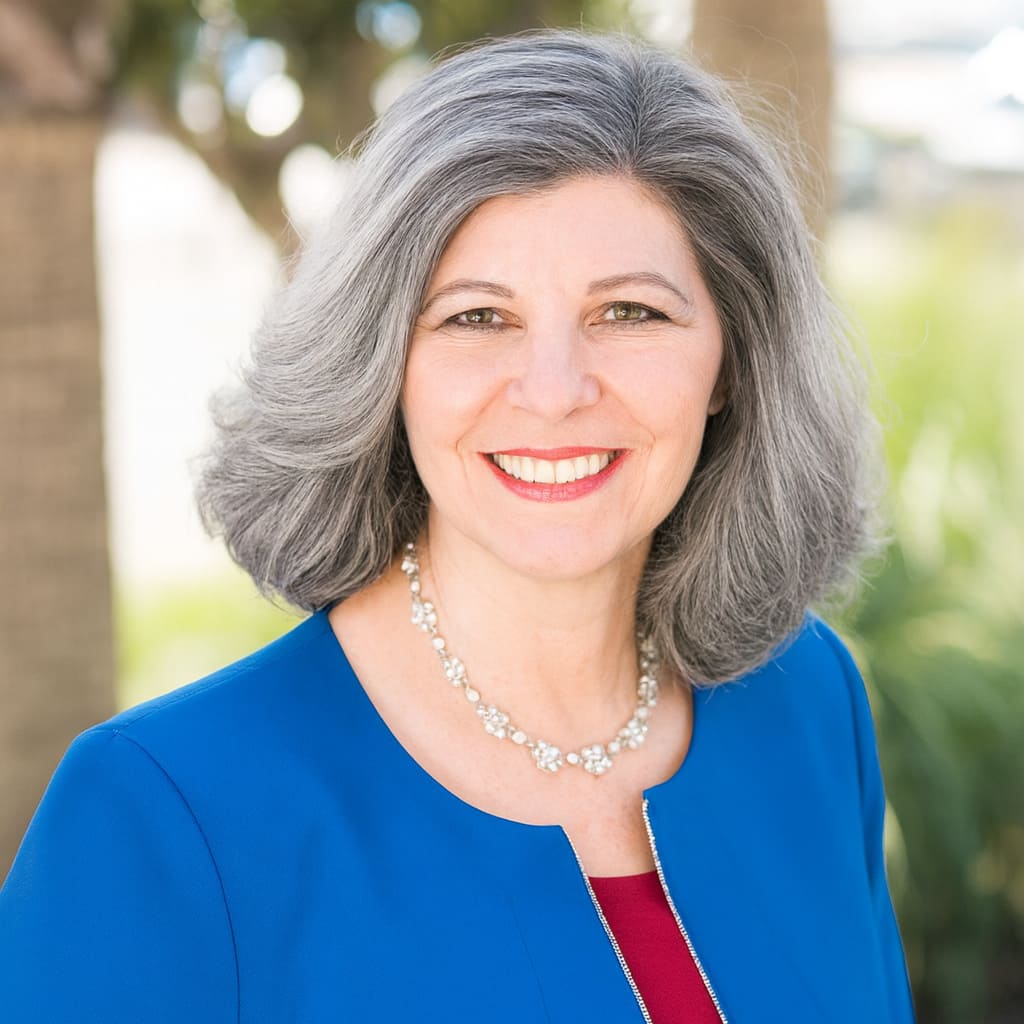
Sustainable growth happens when leaders strengthen both strategy and mental fitness.
After co-founding and selling a company, Edith began reflecting on what she wanted her next chapter to be. She started coaching C-level executives who were considering their own transitions. Soon after, a private equity firm asked her to coach one of their CFOs. Then another. She saw how quickly transformation could occur when leaders were given a space that was both safe and challenging. She realized that most senior leaders do not need more information. They need clarity and courage. Coaching became the place where those two elements meet.
Her coaching style is direct, thoughtful, and energizing. She is not a cheerleader who offers empty encouragement, and she is not a critic who simply points out flaws. She also does not position herself as a therapist. Instead, she focuses on what she calls context and process. Context refers to who a leader is being, their identity, mindset, and presence. Process refers to how they execute what matters most. Her work includes accountability and measurable outcomes, but it also goes deeper. She explores blind spots, personal narratives, and the internal stories leaders tell themselves about their worth and capability. At the same time, she keeps the work human. Leadership is serious, but it is also deeply personal and sometimes even humorous.
Edith mainly works with CFOs and senior finance leaders in companies ranging from 75 million to 2 billion dollars in revenue. Many of her clients are first-time CFOs. Others are leaders in firms newly backed by private equity, where expectations and scrutiny intensify quickly. Many are high performers who find that their responsibilities have doubled almost overnight. They are analytical, driven, and capable. Yet many are also quietly exhausted.
She has a particular passion for working with women in finance. She supports women who want to lead powerfully without feeling pressured to become someone they are not. She believes that sustainable leadership comes from alignment, not imitation.

The challenges her clients face often appear operational on the surface. They may struggle with Boardroom presence, team underperformance, prioritization overload, faster close cycles, or pressure from private equity sponsors. However, beneath those visible issues lie deeper patterns. Many leaders wrestle with self-doubt, perfectionism, over-control, and a constant need to prove themselves. High achievers often burn enormous amounts of energy maintaining performance rather than focusing on meaningful impact.
High performers do not need more information. They need clarity and courage.
Her approach to overcoming these challenges is structured and results-driven. She begins by creating clarity quickly. She uses assessments such as 360 feedback tools or TriMetrix to establish a baseline. She defines return on investment goals upfront, often in collaboration with sponsors who expect tangible outcomes. From there, she works on three levels: strategic focus, behavioral shifts, and mental fitness.
Edith integrates Positive Intelligence techniques into her coaching. She helps leaders identify and intercept what are often called internal saboteurs, those mental patterns that drive stress, overworking, or micromanaging. She emphasizes that insight alone is not enough. Leaders must build new mental muscles to sustain behavioral change.
One example from her practice illustrates this transformation. A CFO approached her within the first month of stepping into a C-suite role. She was highly capable but felt overwhelmed by the volume and complexity of expectations. Within 90 days, she secured three early wins aligned with her CEO’s priorities. She reset expectations with her team and delegated two major operational areas she had previously been micromanaging. A follow-up 360 assessment showed measurable improvement in how she was perceived. Her CEO remarked that the coaching investment had paid for itself multiple times over. More importantly, the CFO herself reported that she no longer felt like she was performing. She felt like she was leading and had earned a true seat at the table.

What differentiates Edith’s approach is rooted in three areas. First, she has lived the CFO role. Her guidance is grounded in experience rather than theory. Second, she measures outcomes carefully. Her work is not abstract inspiration. It is tied to business metrics, stakeholder feedback, team retention, and execution speed. Third, she goes deeper than tactics. While presentation skills and delegation strategies matter, true transformation occurs when a leader stops trying to prove they belong and begins leading from a place of internal certainty.
She measures success through both quantitative and qualitative indicators. These include pre- and post-360 shifts, business metrics defined with sponsors, improvements in team stability, and changes in stakeholder perception. Yet she believes one of the strongest signals of progress is when colleagues say that something has changed in a positive way.
To maintain her own effectiveness, Edith practices daily habits that support her energy and focus. She begins her mornings with reflection. When possible, she holds walking meetings. She commits to continuous learning and prioritizes time with family and friends. She also practices the same mental fitness exercises she teaches her clients. She believes coaches must hold themselves to the same standards they set for others.
Real leadership begins when you stop proving and start aligning.
Her professional development remains ongoing. She stays aligned with ICF standards, participates in peer coaching and supervision, and studies neuroscience and behavioral psychology. She actively seeks feedback, viewing growth as a discipline rather than a one-time certification.
Her personal life has shaped her leadership philosophy profoundly. Her faith has been central to her resilience and clarity. She draws inspiration from spiritual writings and from her father’s courage in moving his family to the United States in 1976 to build a new life. She was widowed unexpectedly in 2022 after the passing of her first husband, Alex Hamilton, who had deeply believed in her potential. She has faced health crises and career setbacks, and she has also found love again. These seasons of loss and renewal stripped away the need to perform for approval. What remained was clarity about impact over image. That perspective informs how she coaches today.
Looking ahead, Edith plans to expand access to her First 90 Days as CFO programs and to scale cohort-based mental fitness training. She aims to support more women in finance leadership and continue delivering measurable return on investment for private equity sponsors. On a personal level, her goal is simple and disciplined: to live aligned, not just accomplished.
Her message to leaders is clear. Constantly performing leadership will eventually lead to exhaustion. Leadership is not theater. It is alignment between who a person is and how they lead. When leaders stop trying to match external expectations and instead become the leaders they are wired to be, their energy shifts. Their teams sense it. Their results follow.