
Pamela Alabaster is a respected sustainability leader, board member, advisor, and educator whose work focuses on integrating sustainability into business strategy and long-term value creation. She previously served as Chief Sustainability and Marketing Officer and most recently as Chief Sustainability Officer at Kenvue, where she helped build the ESG platform for a newly public global consumer health company valued at over $15 billion.
Pamela Alabaster | Adjunct Professor | Columbia University
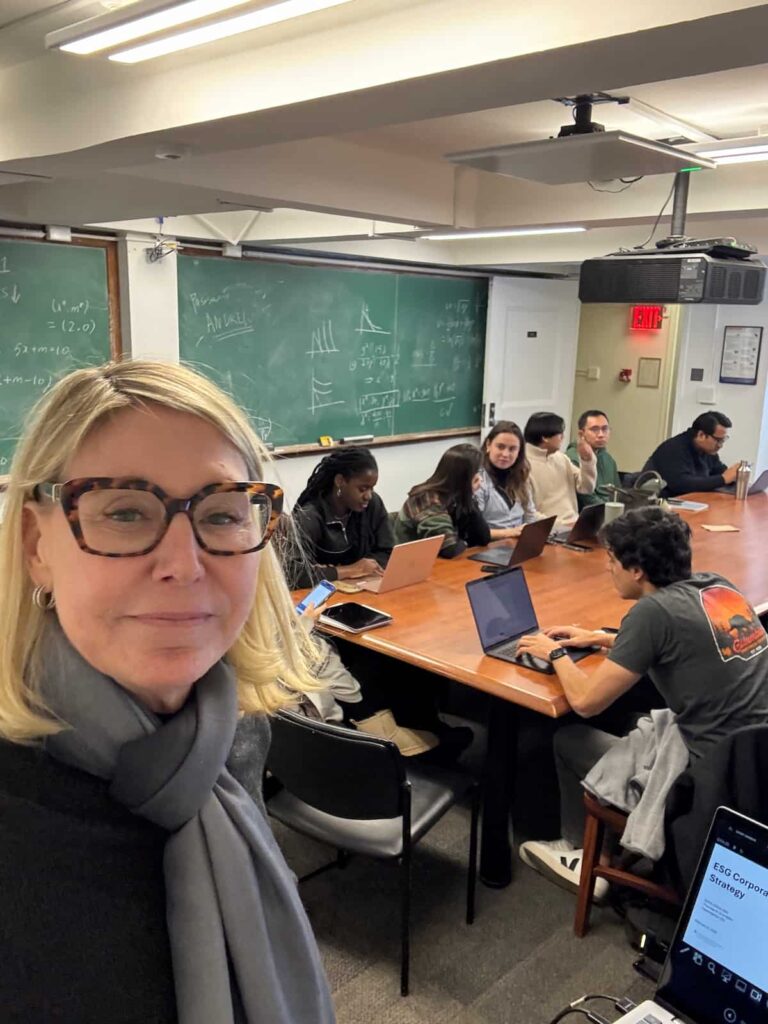
In addition to her corporate leadership roles, she serves as an Adjunct Professor at Columbia University, teaching a graduate course on ESG Corporate Strategy. Across industries including beauty, fashion, and consumer goods, her work has consistently focused on embedding sustainability into enterprise governance, brand development, risk management and value protection, and long-term business growth. At EliteX, we are proud to have Pamela Alabaster as part of the edition: Prominent Women Innovators in Sustainability & ESG, 2026.
Pamela began her professional journey in brand management, where she gained early insights into how brands influence culture and consumer behavior. Over time, she recognized that companies, particularly those that interact directly with consumers, have a powerful opportunity to shape not only markets but also social and environmental progress. This realization inspired her to shift her career focus toward sustainability and responsible business practices. She became motivated by the idea that organizations could drive positive change while also creating strong and resilient businesses when sustainability is fully integrated into their purpose and strategy.
Collaboration across industries is essential to solve complex sustainability challenges.

A defining experience in her career came during her time at L’Oréal. While working there, she helped launch the U.S. chapter of the For Women in Science program. The initiative aimed to recognize and support female scientists whose research was advancing critical STEM fields such as climate science, engineering, physics, and medicine. Women remain underrepresented in scientific leadership and research funding, and the program helped bring visibility to their contributions. Through partnerships with leading institutions and scientists, the program provided recognition and resources to post-doctoral women researchers. This experience reinforced Pamela’s belief that corporations can use their influence, platforms, and resources to highlight important issues and help drive meaningful change in society.
Pamela defines sustainability as the ability of a company to create long-term value for stakeholders without depleting the natural, human, and financial systems that support its operations. ESG, in her view, provides the governance framework and measurement tools that make those commitments accountable. She believes both concepts are critical for the future because businesses today operate in a world shaped by climate risks, evolving regulations, supply chain vulnerabilities, and changing customer and consumer expectations. Companies that successfully address these challenges will be better positioned to manage risk and remain resilient and competitive.

One of the most impactful initiatives she contributed to was addressing child labor risks in the mica supply chain during her time at The Estée Lauder Companies. Mica is commonly used in cosmetics to create shimmer and color, but in certain regions of India it has historically been sourced through informal mining, where children were sometimes involved in collecting the mineral. Pamela worked alongside NGOs, suppliers, and peer companies to increase awareness and transparency around the issue. These collaborative efforts helped support the formation of the Responsible Mica Initiative, which focuses on improving working conditions and eliminating child labor from the supply chain. Programs were also developed to support child-friendly villages where children could attend school and receive mid-day meals, while families were supported through alternative livelihoods. The experience demonstrated that many sustainability challenges require cooperation across industries and long-term partnerships to achieve systemic change.
Throughout her career, Pamela has also navigated challenges that many women leaders have faced in traditional corporate environments. Earlier in her career, respect for women in leadership roles was not always guaranteed, and credibility often required consistently demonstrating results. As a working mother, she also encountered the dual expectations that many women experience while balancing professional responsibilities and family life. These experiences strengthened her resilience and reinforced her commitment to helping create more inclusive and supportive environments for the next generation of leaders.
Measuring the impact of sustainability initiatives requires a combination of robust data systems and thoughtful evaluation. Companies must track measurable outcomes such as emissions reductions, water stewardship, plastics packaging, and waste management. However, some social impacts, such as improved worker wellbeing or expanded access to education, are not always easy to quantify. Effective measurement therefore combines credible data with governance oversight and stakeholder insights to ensure that initiatives are delivering meaningful environmental and social improvements.
Real progress happens when companies turn purpose into measurable action.
Innovation and technology also play an important role in advancing sustainability. Pamela notes that many sustainability challenges are essentially design and systems challenges. Advances in artificial intelligence and digital technologies are improving supply chain transparency, data accuracy, and operational efficiency. At the same time, innovations in materials science, packaging, and product formulation are helping companies reduce environmental impact across the product lifecycle. By combining technology with strong design thinking, organizations can develop products and supply chains that are both more sustainable and more resilient.
Measuring the impact of sustainability initiatives requires a combination of strong data systems and thoughtful evaluation. Companies must track measurable outcomes such as emissions reductions, responsible sourcing, and waste management. However, some social impacts, such as improved worker wellbeing or expanded access to education, are not always easy to quantify. Effective measurement therefore combines credible data with governance oversight and stakeholder insights to ensure that initiatives are delivering meaningful environmental and social improvements.
In addition to her corporate and advisory roles, Pamela is deeply committed to mentoring future leaders. Through her teaching at Columbia University, she works closely with graduate students to help them understand how sustainability can be integrated into enterprise strategy. Her goal is to equip emerging professionals with practical tools, systems thinking, and business knowledge so they can drive meaningful change inside complex organizations.
Looking ahead, Pamela believes the sustainability and ESG landscape will continue to evolve. ESG-related regulations are expanding around the world, and companies are facing greater scrutiny regarding environmental claims and transparency. At the same time, advances in digital technologies and artificial intelligence will improve supply chain visibility, product design and operational efficiency. These changes will strengthen the connection between sustainability, risk management, and long-term value creation. She also believes that the role of the Chief Sustainability Officer will continue to evolve, and that it is critical that the position is integrated into executive leadership and strategic decision-making.
For organizations beginning their sustainability journey, Pamela advises focusing first on material issues that have the greatest impact on the business and its stakeholders. Aligning sustainability with core business strategy, establishing clear governance structures, and building cross-functional ownership are essential steps. She emphasizes the importance of disciplined execution rather than overpromising ambitious goals without clear plans.
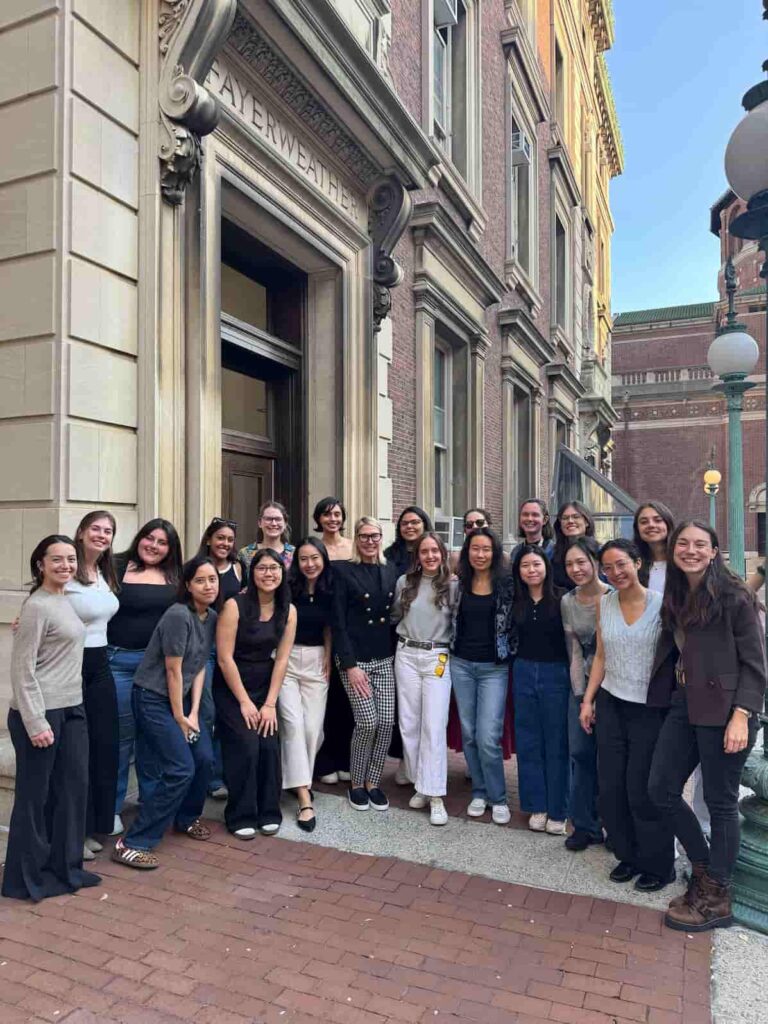
Looking toward the future, Pamela hopes her work will help build stronger companies where sustainability is deeply integrated into strategy, enterprise risk management, innovation, and resilience. Through her leadership, advisory work, and teaching, she aims to support the development of the next generation of sustainability leaders who can guide organizations through complex environmental and social challenges. As a mother of three adult children, she views this mission not only as professional responsibility but also as a commitment to ensuring that the systems and institutions built today enable future generations to thrive.
Sustainability creates long-term value when it is embedded into business strategy.