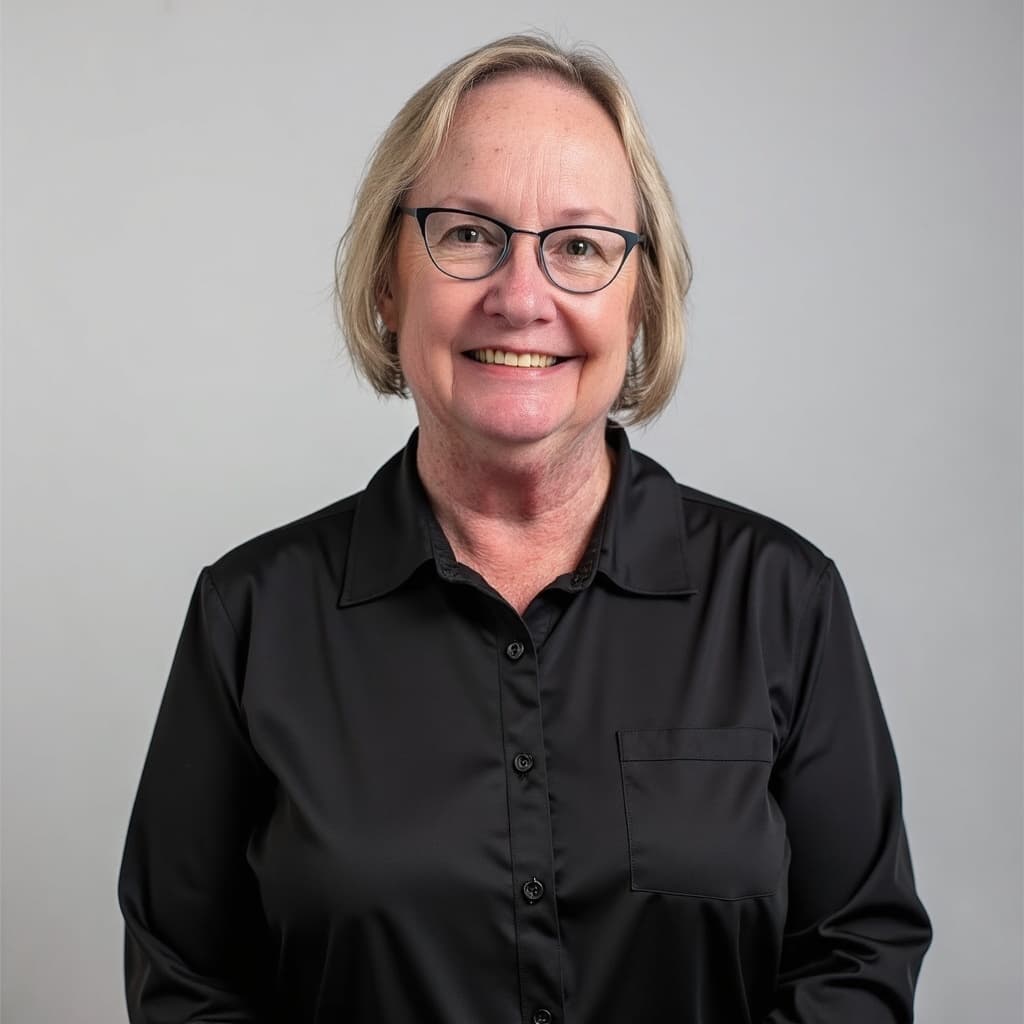
Dr. Kath Williams is the Founder and President of Kath Williams + Associates, Inc., a sustainability consulting firm she established in 1999. For more than two decades, she has worked across the globe, helping organizations integrate sustainability into new construction projects as well as into the operations and maintenance of existing facilities.
Dr. Kath Williams | Founder and President | Kath Williams + Associates, Inc.
Her work focuses on practical, measurable strategies that improve how buildings are designed, built, and managed. Through her consulting, she has supported businesses, institutions, and communities in making responsible decisions that protect resources while also strengthening long-term performance. At EliteX, we are proud to have Dr. Kath Williams as part of the edition: Prominent Women Innovators in Sustainability & ESG, 2026.
Her journey into sustainability began early in her professional career at Montana State University, where she worked as the assistant to the Vice President of Research. Sustainability was part of her responsibilities, and she soon became the project director of an early green building research and development initiative. At that time, the concept of green building was still emerging. What started as a research assignment soon became her life’s purpose. She recognized that the built environment plays a powerful role in shaping environmental impact, human health, and economic resilience.
We do not need permission to do the right thing for our planet and our future.
One defining moment in her career came during a period of exhaustion and doubt. The work was demanding, and progress often felt slow. She considered stepping away from the field. During that time, her son told her that this was the most important thing she had ever done. His words reminded her of the broader meaning behind her efforts. That encouragement reinforced her commitment and gave her renewed clarity about the importance of sustainability work, not just as a profession but as a responsibility.
Dr. Williams defines sustainability and ESG in simple, practical terms. For her, they are conservative, non-political, and non-judgmental approaches to taking care of the planet’s resources. She believes the focus should not be on ideology, but on responsibility. Sustainability is about doing the best possible job with the resources available and ensuring that future generations are not left with fewer options than we have today. ESG, in her view, is a structured way to help organizations manage environmental, social, and governance responsibilities in a balanced and thoughtful way.
One of her most impactful contributions has been supporting the development and activities of Green Building Councils around the world. By strengthening these networks, she has helped create collective momentum that goes far beyond individual projects. She believes that while one building can make a difference, coordinated global efforts can transform entire industries. Through collaboration, shared standards, and knowledge exchange, Green Building Councils have amplified the impact of sustainability practices across countries and cultures.
As a leader, she does not see challenges as gender-specific. Instead, she views the real difficulty in sustainability work as the challenge of changing human behavior. Encouraging people to think differently about energy use, materials, waste, and long-term value requires patience and process. Change rarely happens all at once. It often comes in small, consistent steps. She has learned that progress depends on helping people understand why change matters and supporting them through gradual improvement.
Balancing long-term environmental and social goals with short-term business priorities is another area where she brings clarity. She believes it is impossible to create lasting impact without financial stability and operational progress. Sustainability and profitability are not opposites. They must work together. She often refers to the metaphor of a three-legged stool – environmental responsibility, social well-being, and economic performance. If one leg is weak, the entire structure becomes unstable. Real success comes from balance.
Dr. Williams encourages companies to move beyond viewing ESG as a compliance exercise. For her, meaningful action begins with a focus on community. Achieving targets on paper is not enough if communities are struggling or disconnected. True sustainability improves lives. It supports happiness and well-being in homes, workplaces, and neighborhoods. Organizations that prioritize people and community impact are more likely to create authentic and lasting change.
Innovation and technology play supportive roles in this journey. She views them as tools that help individuals and organizations advance their sustainability goals. However, technology alone is not the solution. It must be guided by thoughtful leadership and human commitment. When innovation is aligned with values and purpose, it becomes a powerful enabler of progress.
Real impact happens when communities grow stronger, not just when targets are met.
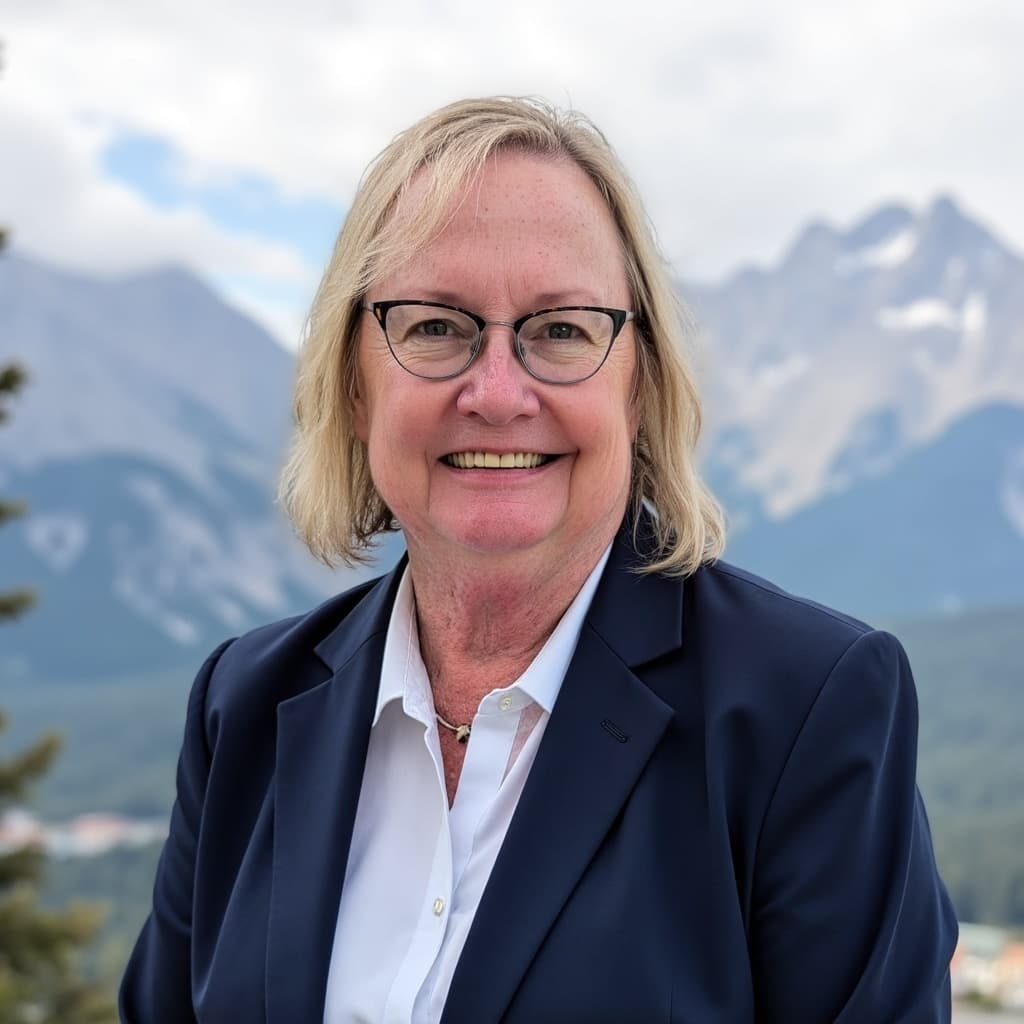
Measuring impact, in her perspective, goes beyond data points and metrics. While measurement frameworks are important, the real indicator of success is improved quality of life. Better lives and greater happiness in homes, workplaces, communities, and across the world reflect the deeper outcome of sustainability initiatives. This human-centered view shapes her approach to every project.
Her leadership principles are grounded in listening and understanding. Especially in complex or high-pressure situations, she prioritizes hearing diverse perspectives. Cultural and historical contexts matter. By respecting different viewpoints and experiences, she fosters collaboration and builds trust across global networks.
Dr. Williams actively supports the next generation of sustainability leaders by creating real-world learning opportunities. She offers internships, teaching roles, research experiences, and encourages volunteerism. She believes practical exposure builds both competence and confidence. By opening doors for young professionals, particularly women, she helps strengthen the future of the field.
Looking ahead, she believes the next phase of sustainability will be defined by personal responsibility. Organizations and individuals do not need permission from governments or authorities to do the right thing. Progress begins with choice and commitment.
As she moves toward 2026 and beyond, her hope is that the people she has worked with around the world will go even further than she has. Her legacy is not limited to projects or policies. It lives in the inspiration she has sparked in others to act, lead, and build a more sustainable future.
Sustainability is simply about taking responsible care of the resources we share.