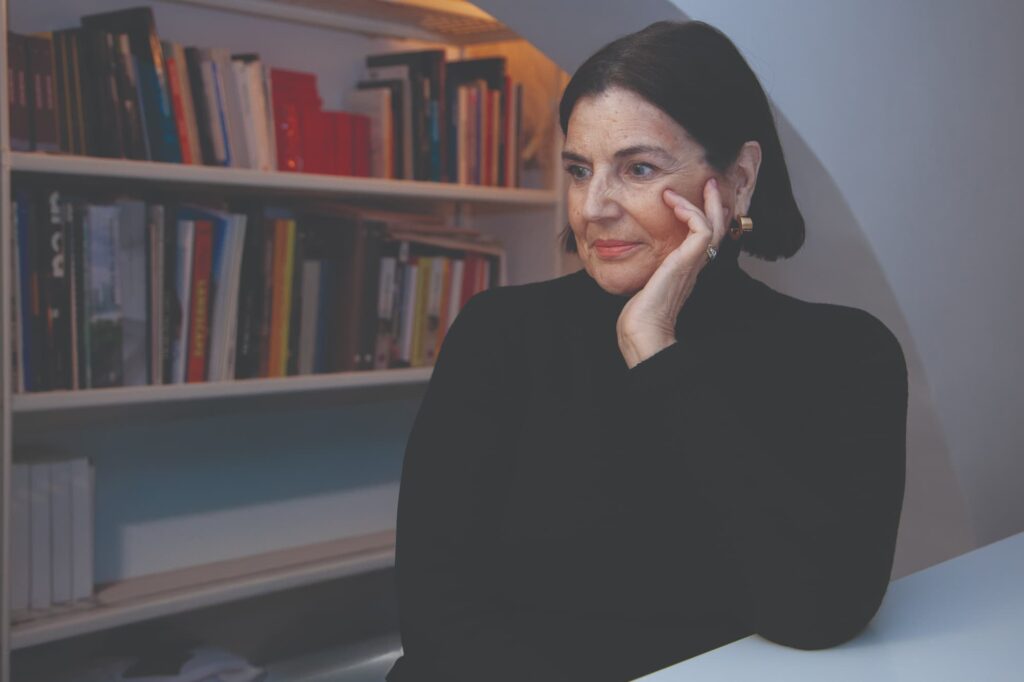
Anna Rita Emili | Owner | altro_studio
Anna Rita Emili is an architect whose journey has been shaped by curiosity, experimentation, and a strong desire to question established rules. She founded her practice, altro_studio, in 1998 with the intention of working in an interdisciplinary environment. From the very beginning, her approach to architecture moved beyond fixed forms and traditional models. Her early research focused on the idea of movement within living spaces, exploring how homes could adapt, change, and respond to the needs of individuals.
This interest extended from temporary housing solutions to large-scale urban projects, always with the human experience at the center. At EliteX, we are proud to have Anna Rita Emili as part of the edition: Trailblazing Female Architects Shaping the Future of Architecture, 2026.
Throughout her career, Anna Rita Emili has been deeply fascinated by flexible and transformable living spaces. She has consistently explored the idea of eco-conscious homes that can evolve over time, responding to new functional and structural demands. Her work reflects a belief that architecture should not be static but alive, capable of transformation. This perspective led her to focus on new technologies, especially automated systems, as well as innovative materials that support adaptability and sustainability. Environmental responsibility has never been an afterthought in her work. Instead, it has been a guiding principle that informs both her research and her design decisions.
“Sustainability is not a trend for me – it is one of the first objectives of designing for humanity.”
Her choice to pursue architecture did not come from a single defining moment. Rather, it grew naturally from a long-standing fascination with architecture, construction, and design in a broader sense. She has always been drawn to creative fields such as fashion, art, and music, and these influences continue to shape her architectural language. This wide range of interests has allowed her to approach architecture not only as a technical discipline but also as a cultural and artistic expression.
In simple terms, her design style can be described as nonconformist and experimental. She works outside the conventional rules of the market, embracing a kinetic and minimal approach that challenges expectations. Her architecture is not driven by trends or commercial demands but by research, critical thinking, and a desire to explore new possibilities. This independence has allowed her to develop a strong and recognizable voice within the field.
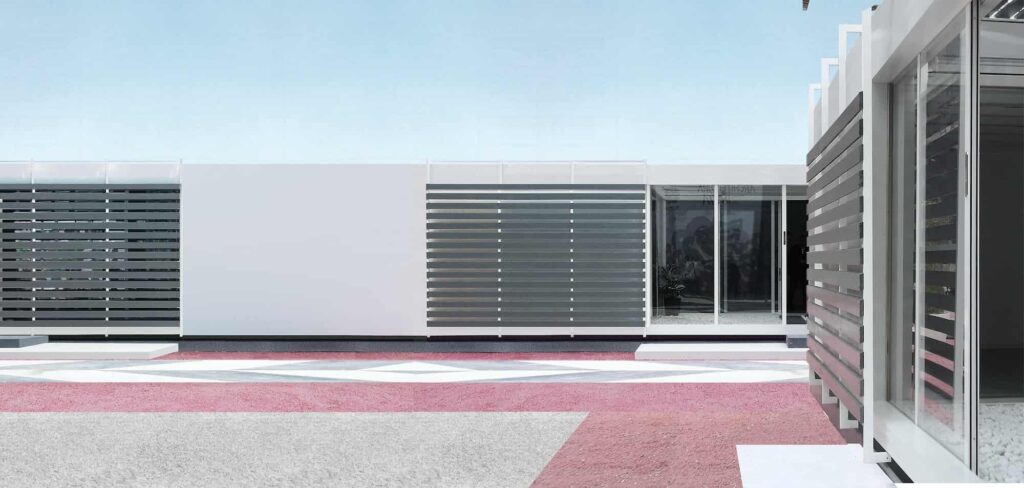
One of the most important projects of her career is the first smart, transformable home she created, which she called the abode of the outside. This project marked a turning point in her professional journey and laid the foundation for her deeper exploration of kinetic architecture. The concept emerged from reflections on virtual communication and changing ways of living. For her, this project represented a new form of sustainability, one that goes beyond energy efficiency to include adaptability, reduced waste, and a more conscious relationship between people and their living spaces.
Working as an architect comes with daily challenges, and Anna Rita Emili is very aware of this reality. The profession requires constant problem-solving, from developing broad concepts to refining the smallest details. In her experience, dealing with clients and administrative systems can be particularly demanding. These challenges are intensified by the cultural and bureaucratic context in which she works. As a woman in architecture, she has faced these difficulties with determination, relying on passion as her strongest tool. For her, passion has always been the force that makes it possible to move forward despite obstacles.
When she speaks about shaping the future of architecture, she refers to a clear and conscious struggle against rigid market rules. She believes that these rules often suppress true innovation, critical research, and cultural growth, replacing them with purely economic goals. For her, architecture should be a space for experimentation, ethical thinking, and meaningful progress rather than speculation.
“Passion trumps everything, especially in a profession where challenges are part of everyday life.”
Sustainability plays a central role in her work. She sees herself as being at the service of humanity, using architecture as a way to address environmental, social, and economic challenges. Sustainability, in her view, is not a trend or a marketing tool but one of the first objectives of any serious design process. Her projects aim to create responsible solutions that consider long-term impact rather than short-term gain.
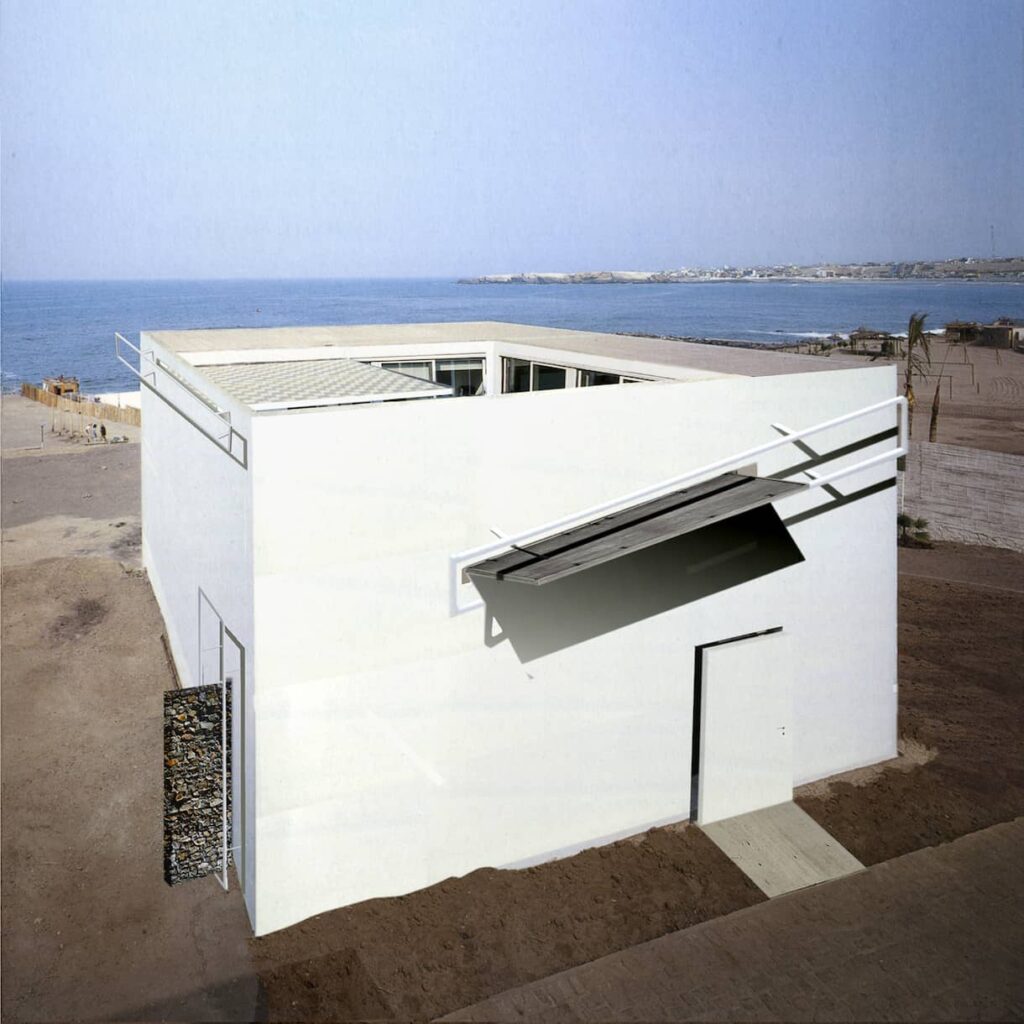
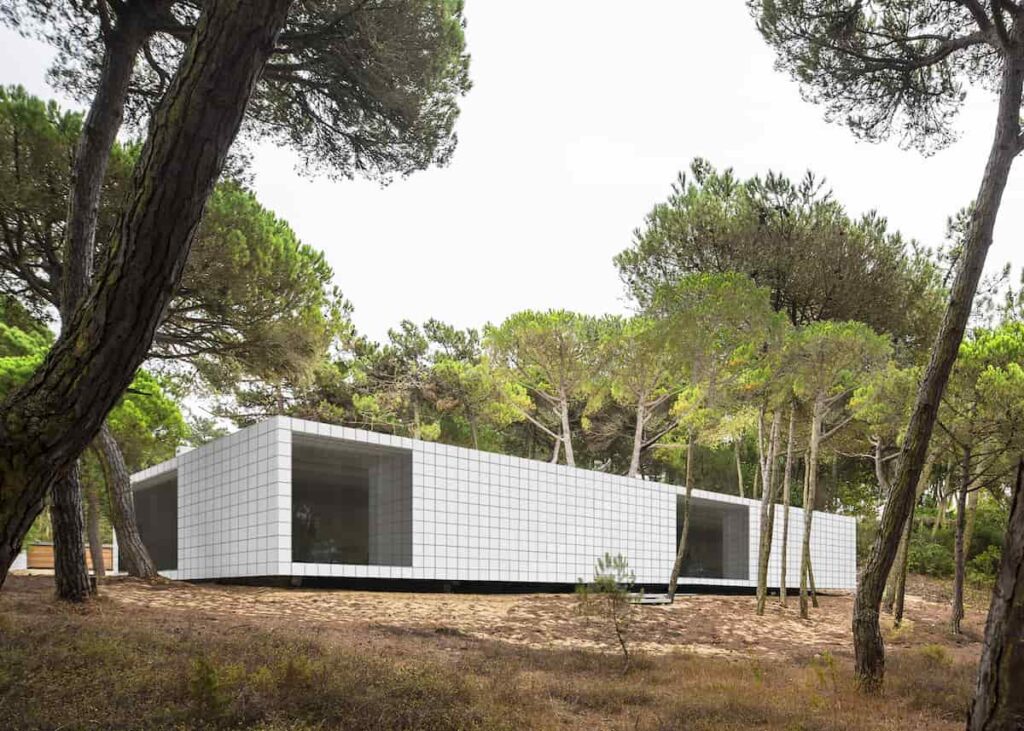
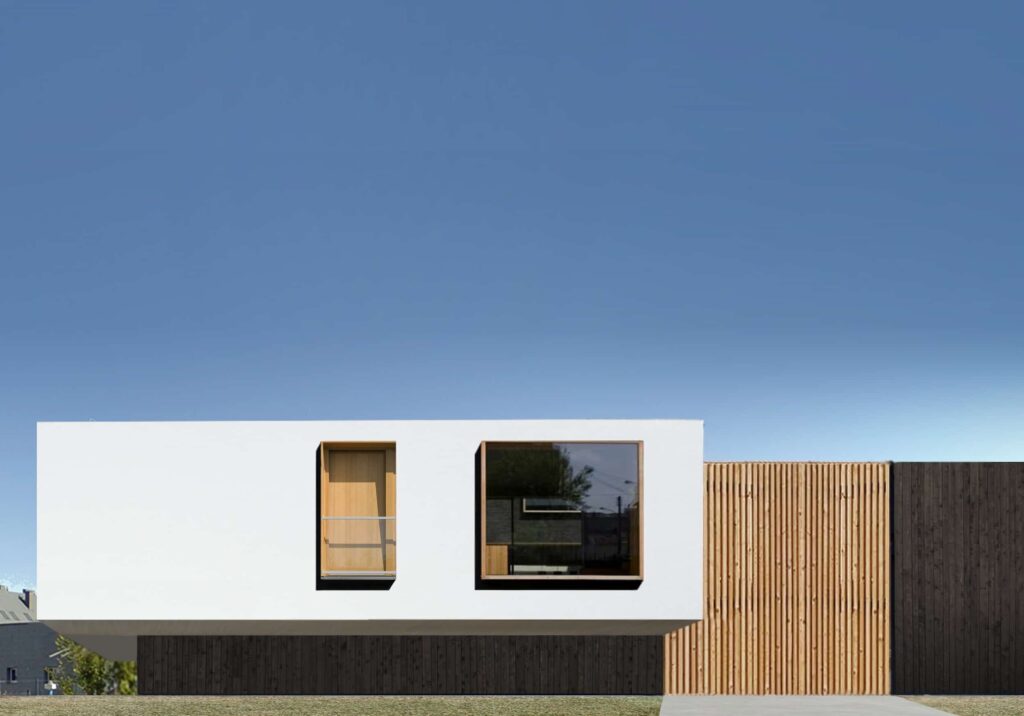
Among current architectural trends, she is most excited by what she describes as protest architectures. These are approaches rooted in ethics, where design becomes a form of resistance and a statement of values. She believes this direction is essential in a time when architecture must respond to global crises and social inequalities.
Balancing creativity with practical and client needs remains one of the most difficult aspects of her profession. She points out that there is still a significant lack of understanding about architecture and art, which can make meaningful dialogue challenging. Despite this, she continues to defend the importance of creativity and critical thinking in every project.
Her professional journey has been influenced by important figures and ideas. During her studies, she learned from a respected Italian architect who played a key role in shaping her thinking. She was also deeply influenced by reading, including a monograph on Buckminster Fuller and several books on brutalism, which helped define her architectural vision and research direction.
To young women who wish to become architects, she offers clear advice. Continuous study is essential, as learning in this profession never truly ends. She believes that women will continue to become more visible and influential in architecture. In her own city, some of the most remarkable works were created by women, proving that their contribution is both strong and lasting.
Looking ahead, she believes future architects must recover a broad set of skills. Architecture once combined urban planning, technology, landscape, and design, and she feels it is important not to divide these roles too narrowly. As for her own future, her main goal is simple but powerful. She hopes to preserve her enthusiasm for architecture and continue her work with the same passion for many years to come.
“Architecture should not be static – it must move, transform, and respond to real human needs.”