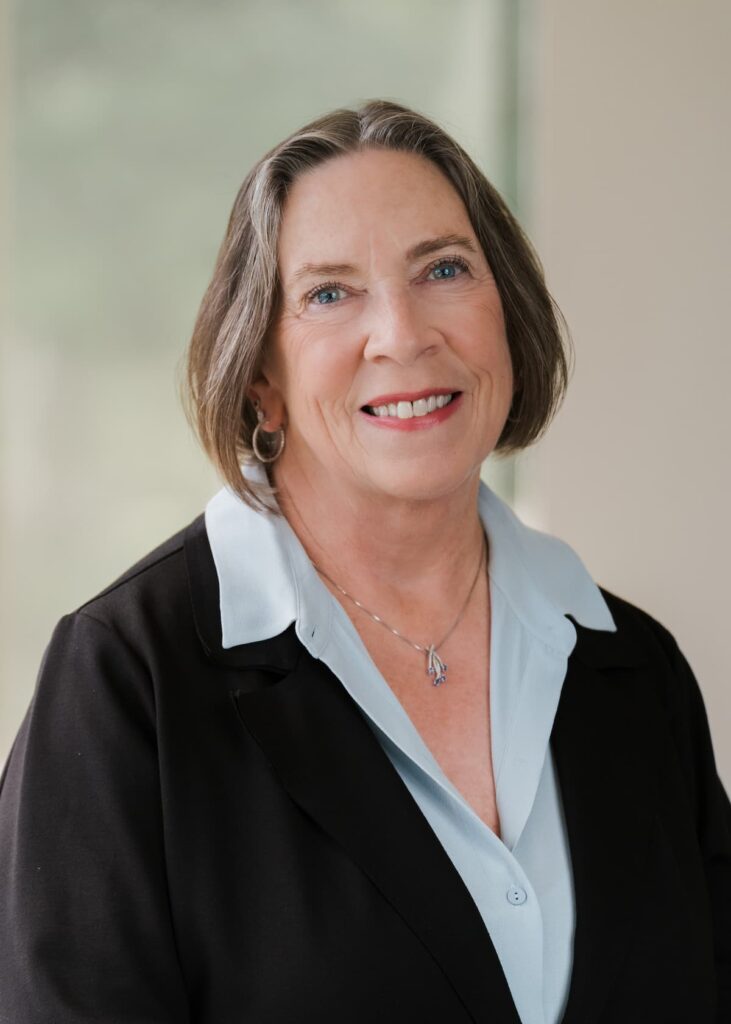
Heather Gates is the President and CEO of Community Health Resources, widely known as CHR, the most comprehensive nonprofit behavioral healthcare agency in Connecticut. She also serves as First Vice Chair of the National Council for Mental Wellbeing, the nation’s leading advocacy organization for behavioral healthcare agencies, and Chair of the Connecticut Community Nonprofit Alliance, representing nonprofits statewide.
Heather Gates | President and CEO | Community Health Resources
Every day, she works to strengthen systems of care and improve access to high-quality services for individuals and families affected by mental illness, substance use disorders, homelessness, and other complex challenges. Her leadership spans both state and national platforms, where she helps shape conversations around funding, policy, and the future of behavioral healthcare. At EliteX, we are proud to have Heather Gates as part of the edition: 05 Fearless Women in Business, 2026.
Her journey into this field began during her college years. As a volunteer at Northampton State Hospital in Massachusetts, she witnessed firsthand the limited services available to individuals living with serious mental illness. She was deeply affected by what she saw. The lack of coordinated care and long-term support left a lasting impression on her. At that moment, she made a clear decision to dedicate her career to improving the lives of people facing mental health challenges. That early experience shaped not only her professional direction but also her long-term commitment to advocacy and system reform.
When we empower our teams and invest in innovation, communities grow stronger and healthier.
When she became President and CEO of CHR, she set an ambitious goal. She wanted to build a comprehensive and integrated system of care that could support individuals and families at every stage of need. Over time, that vision became reality. Under her leadership, CHR has gained recognition at both the state and national levels as a trusted and reliable provider of behavioral healthcare services. The organization has expanded its programs, strengthened its clinical practices, and grown from a budget of approximately $3 million to $86 million. Most importantly, she has created a culture centered on compassion and accountability.
One of her proudest achievements is the workplace culture at CHR. The organization has been named a Top Workplace for 12 consecutive years based on anonymous employee feedback. It has also received national recognition from USA Today and Newsweek for the past two years. For her, these honors reflect more than awards. They represent a supportive and inclusive environment where employees feel valued and empowered. She has worked intentionally to build a workforce that mirrors the communities CHR serves. The agency provides care in a culturally competent and trauma-informed environment, ensuring that services are respectful and responsive to each individual’s experience.
Her election to the Board of Directors of the National Council for Mental Wellbeing marked another significant milestone. She is set to become Chair in 2027. This role allows her to contribute to national discussions about behavioral healthcare reform, funding priorities, and innovative service delivery models. She considers it an honor to represent the needs of individuals and families on a broader stage and to advocate for meaningful change.
Despite these achievements, her role has not been without challenges. One of the most pressing issues she faces is budgetary constraints. Behavioral healthcare agencies often rely on state contracts and public funding, which can be uncertain and limited. Competing for contracts while maintaining consistent, high-quality services requires careful financial planning and strategic leadership. She has addressed these challenges by becoming deeply involved in advocacy at both state and national levels and by thoughtfully and strategically managing limited resources. She also recognizes the value of collaborating with other providers in certain situations, rather than competing. By building strong and trusting relationships with policymakers, and healthcare leaders, she works to secure sustainable funding for essential programs.
Her success is rooted in determination and perseverance. She remains focused on growth, financial management, innovation, and fulfilling CHR’s mission and vision. The agency’s mission is, “inspiring hope for individual and community wellbeing,” and its vision is that “every life will get better.” These guiding statements shape her daily decisions. During the COVID-19 pandemic, she and her team were required to make swift and complex decisions to ensure service continuity and safety. Throughout that period, she remained centered on protecting staff and clients while maintaining access to essential care.
True leadership means standing up for those who cannot always stand up for themselves.
A defining aspect of her leadership style is her ability to build cohesive and effective teams. She understands that sustainable success depends on strong leadership at every level of the organization. She empowers her team to think creatively and to take ownership of their roles. By encouraging innovation and professional growth, she creates an environment where leaders can thrive. She values collaboration and works closely with her executive team to ensure alignment with the agency’s strategic goals.
Earlier in her career, she struggled with work-life balance, especially while raising young children and learning how to become a good leader. Over time, she recognized the importance of self-care in sustaining effective leadership. Today, she actively prioritizes exercise, nutrition, and meaningful time with family and friends. She believes that taking care of her own wellbeing strengthens her ability to lead with clarity and resilience.
To young women aspiring to become business leaders, she offers clear advice. Seek mentorship and listen carefully to guidance from those with experience. She emphasizes the importance of humility, honesty, and continuous learning. Growth, in her view, is an ongoing process that requires openness and reflection. It also requires that leaders attend to their wellbeing, both mentally and physically.
She draws inspiration from other women leaders in healthcare who have paved the way for greater equity and impact in the industry, as well as her parents and her children. Looking ahead to 2026 and beyond, she sees emerging technologies, especially artificial intelligence, reshaping healthcare systems. She believes organizations must adopt innovation thoughtfully, using AI to improve efficiency while maintaining a strong focus on human-centered care.
Within her own organization, she encourages innovation by empowering leaders to think beyond traditional models. She challenges her team to explore new approaches and develop both short-term and long-term strategies that expand access and improve outcomes. Integrity, compassion, and respect for diverse perspectives guide her business decisions. Above all, she prioritizes choices that honor and support the individuals and families CHR serves.
Her future goals focus on growth and expanded access. She continues to pursue new contracts, collaborate with funders, and develop initiatives that respond to evolving community needs. Expanding services and saving lives remain at the core of her work. For her, this mission is both rewarding and energizing.
Her message to readers is direct and purposeful. Women in business must speak up for what they believe in, stand up for people in need, and use their voices to advocate for those who are marginalized and disenfranchised. Through consistent leadership and dedicated service, she demonstrates how business can be a powerful force for community wellbeing and lasting social impact.
Building a strong system of care is about hope, dignity, and access for every life.