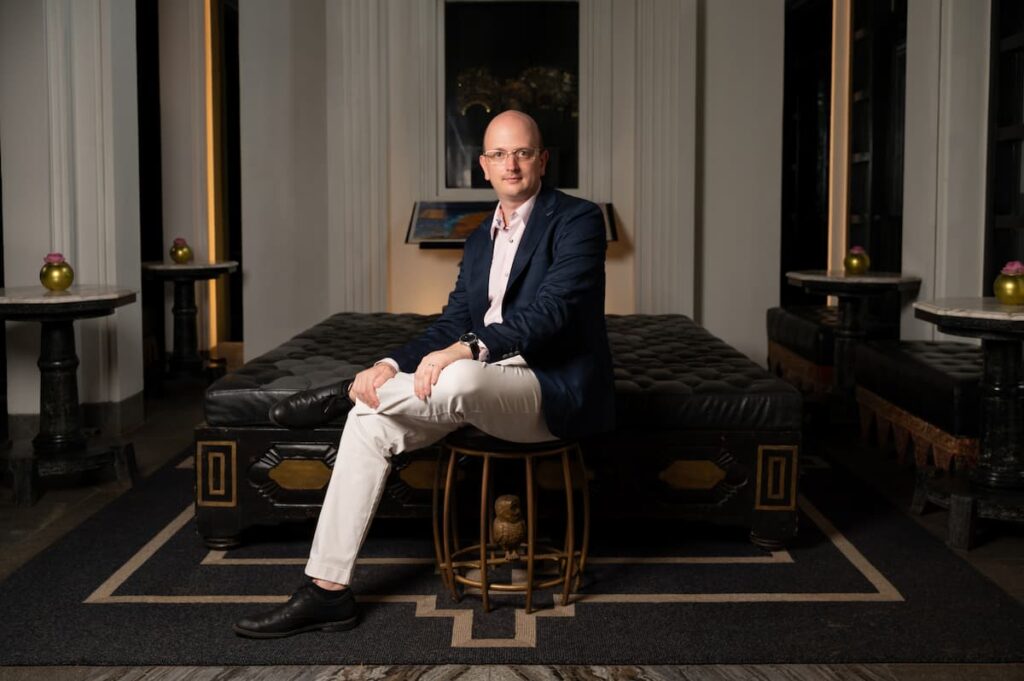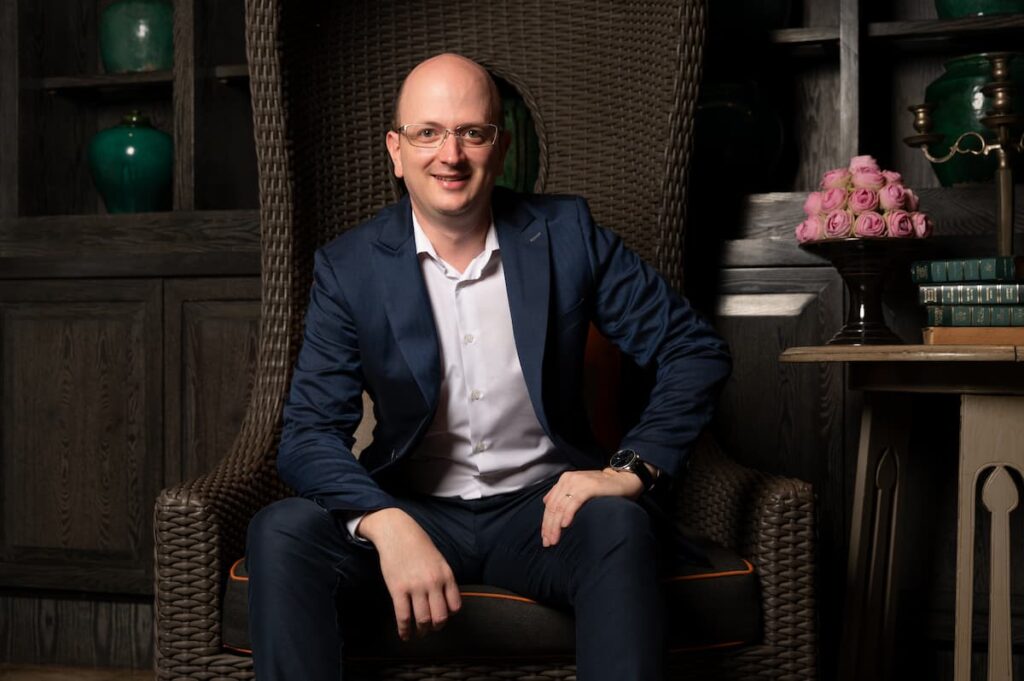
Benjamin Lehmann | General Manager | Shinta Mani Angkor
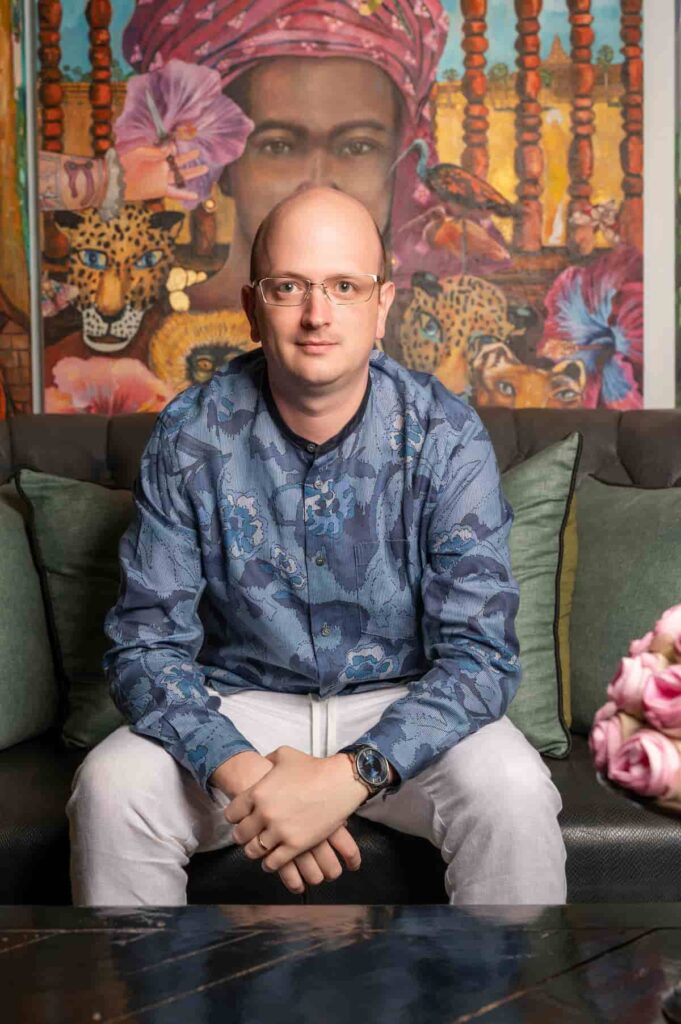
Benjamin Lehmann is the General Manager of Shinta Mani Angkor, a luxury boutique hotel located in Siem Reap, Cambodia. Originally from Switzerland, Benjamin has built a remarkable career in the travel and tourism industry, shaped by a passion for cultures, community impact, and the unique human connections that hospitality creates. With over a decade of experience in Asia, especially in Thailand and Cambodia, his work is guided by a strong belief in socially responsible and values-driven hospitality. At EliteX, we are proud to have Benjamin Lehmann as part of the edition: Impactful Business Icons to Look Out For in 2025.
Growing up in Switzerland, a country well-known for its excellence in hotel management, Benjamin was naturally drawn to the world of hospitality. His early interest in travel and exploration led him to pursue formal education in the field. However, it wasn’t just about providing a service-it was about connecting with people, understanding cultures, and creating experiences that left a lasting impact. That mindset shaped his journey from the very beginning.
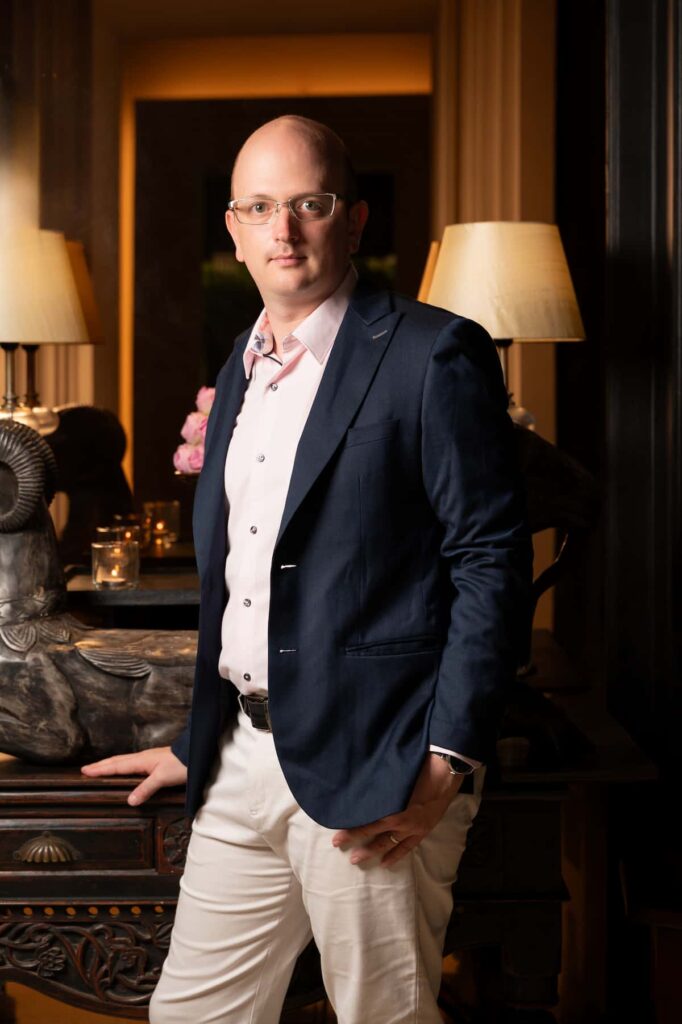
“Innovation should serve to enhance the authentic experience, not replace or dilute it.”
Benjamin’s career took a defining turn when he moved to Asia around 11 years ago. He managed resort properties in the beautiful destinations of Koh Samui and Phuket in Thailand. There, he focused on delivering personalized, thoughtful guest experiences. Over time, he realized that he wanted to do more than just manage properties-he wanted to contribute to the communities surrounding the hotels. This desire led him to roles where he could blend operational excellence with purpose-driven leadership.
At Shinta Mani Angkor, Benjamin brings together everything he has learned. What makes this hotel stand out is its deep connection between guest experience and social impact. The property started as a small hotel with a training program for underprivileged Cambodian youth, and that original mission still lives on through the Shinta Mani Foundation. A portion of the hotel’s revenue goes directly to support the Shinta Mani Foundation, creating a powerful cycle where each guest’s stay contributes to local development.
This commitment to excellence and impact has not gone unnoticed. In 2025, Shinta Mani Angkor was honored by Travel + Leisure as one of Cambodia’s top hospitality leaders, securing four major accolades in the Travel + Leisure Luxury Awards Asia Pacific 2025:
#3 Best City Hotel in Cambodia
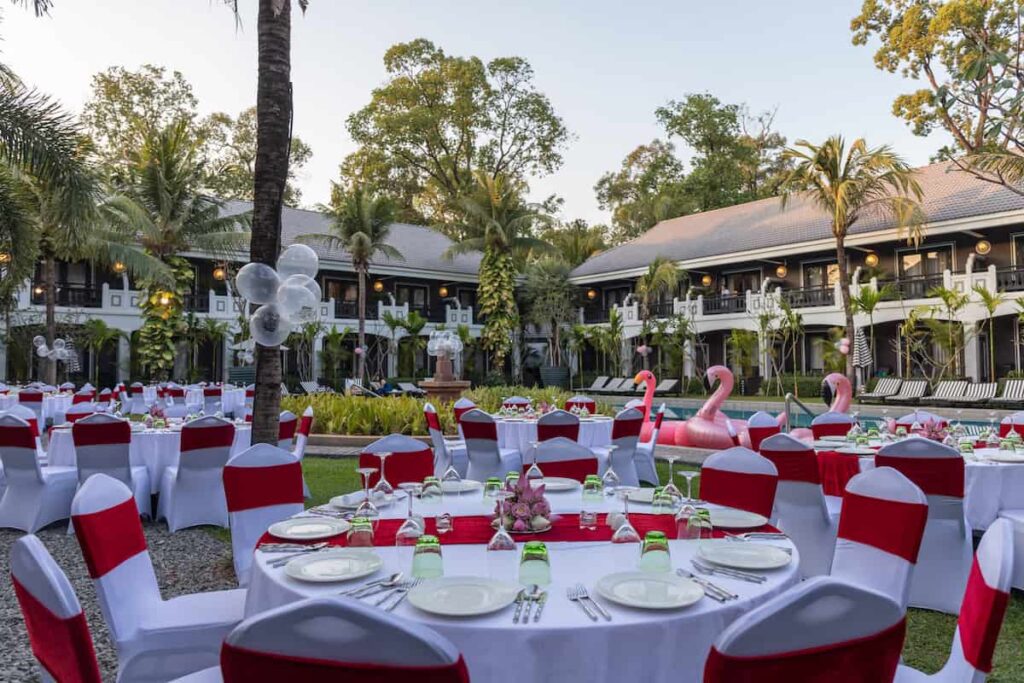
#1 Best Hotel Pool
#5 Best Spa
and notably, Benjamin Lehmann was named #2 Best General Manager in the country.
Source: Travel + Leisure Asia
These recognitions reflect not only the luxury experience Shinta Mani offers but also Benjamin’s exceptional leadership and the team’s unwavering dedication to hospitality with heart.
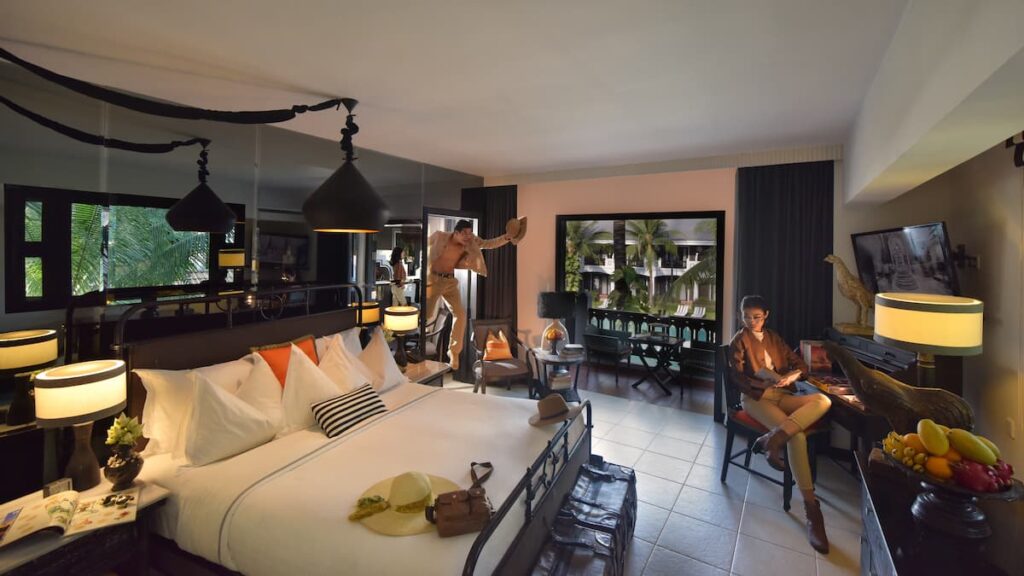
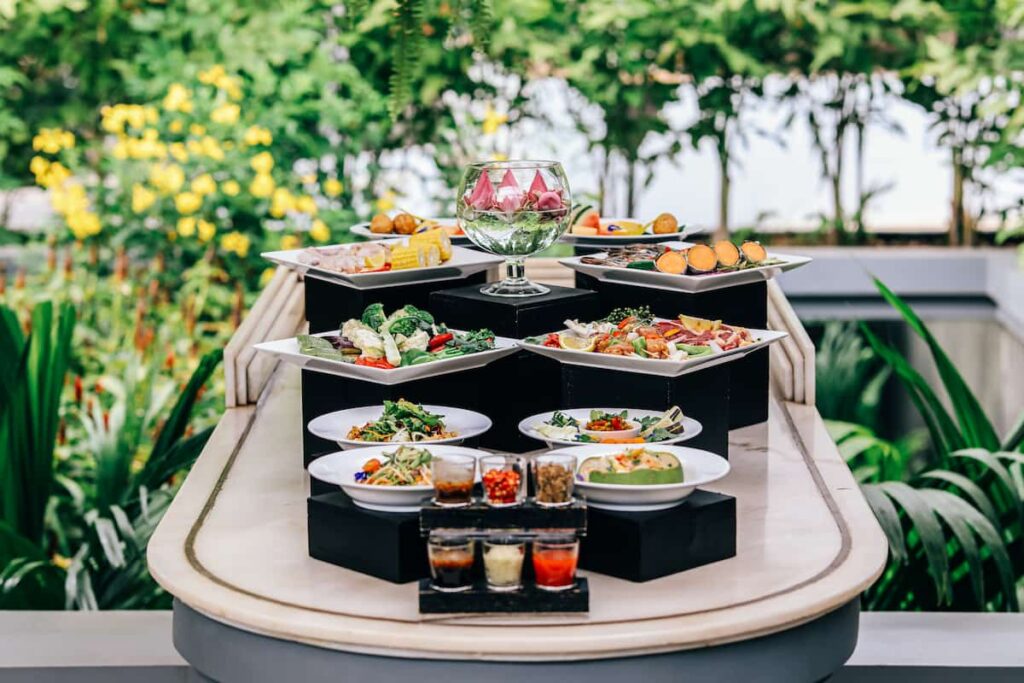
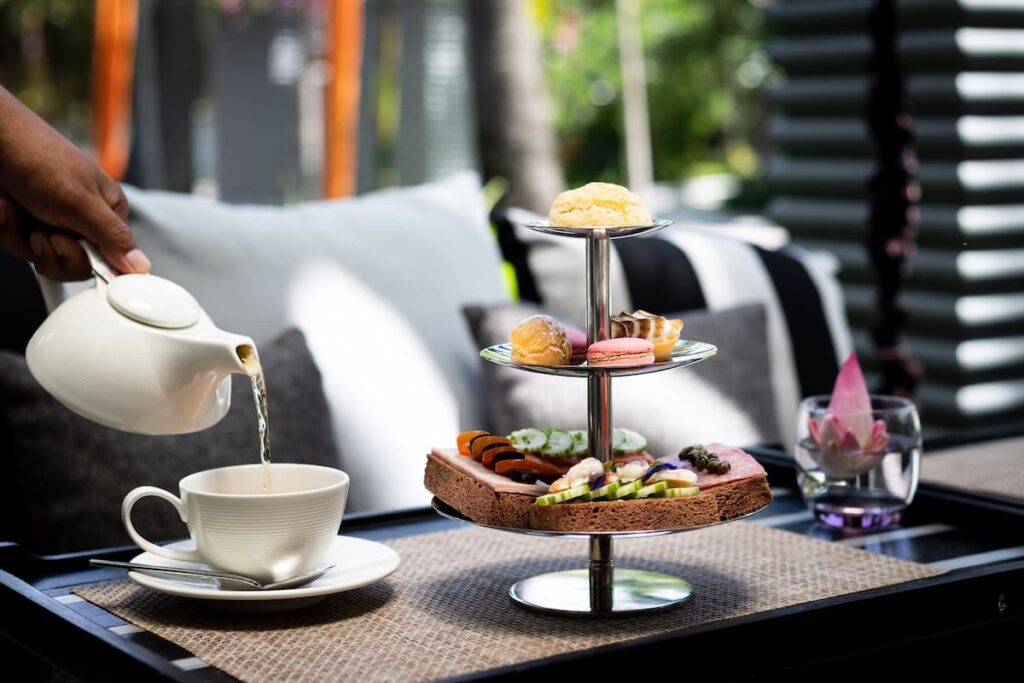
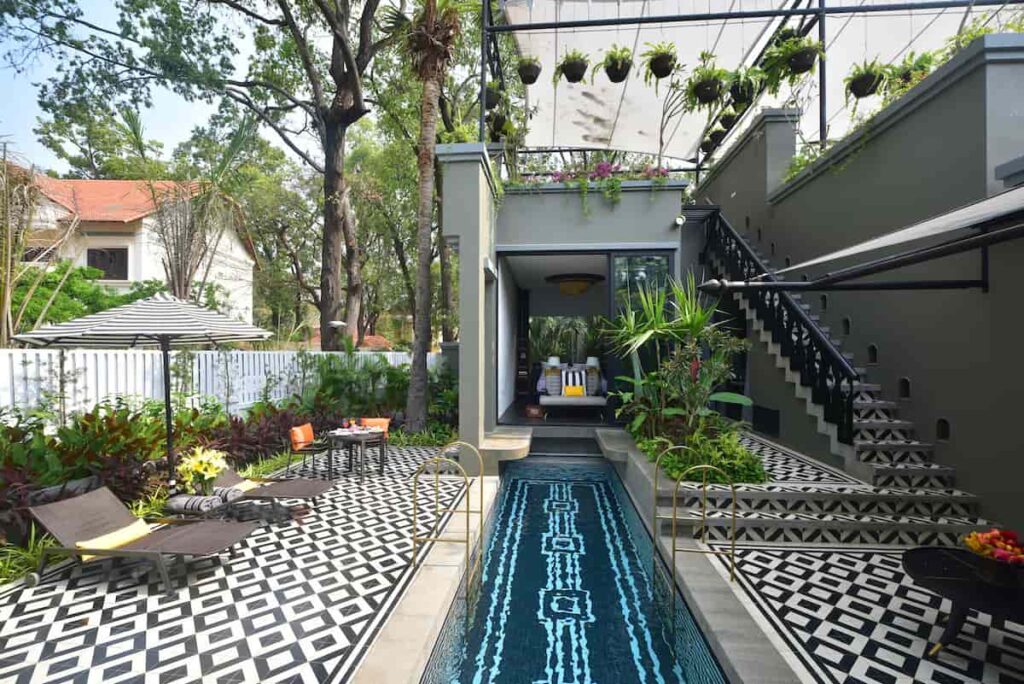
The scale of the hotel also plays a key role in its uniqueness. As a boutique luxury property, Shinta Mani Angkor offers intimate, personalized service that’s hard to replicate in larger chains. Guests enjoy curated experiences and genuine interactions with a team that is largely Cambodian. This team brings a natural warmth and connection to their work that helps visitors feel rooted in the local culture and welcomed like family.
While Benjamin embraces innovation, he sees technology as a tool rather than a replacement for genuine hospitality. Technologies like AI personalization or digital concierge services can help improve efficiency and comfort, but they must never take away the human element. He believes that warm welcomes, intuitive service, and cultural storytelling remain the core of unforgettable travel experiences. Technology should enhance, not distance, the relationship between host and guest.
Sustainability is another key pillar of Benjamin’s approach. At Shinta Mani, sustainability means more than just protecting the environment. It includes supporting local economies, investing in education and healthcare, and creating lasting improvements in the community. The hotel sources its food locally, minimizes waste, and participates in various outreach programs, including clean water installations and small business support. Sustainability, for Benjamin, is a long-term responsibility, not a short-term trend.
“Sustainability for us is an ongoing commitment, not a campaign.”
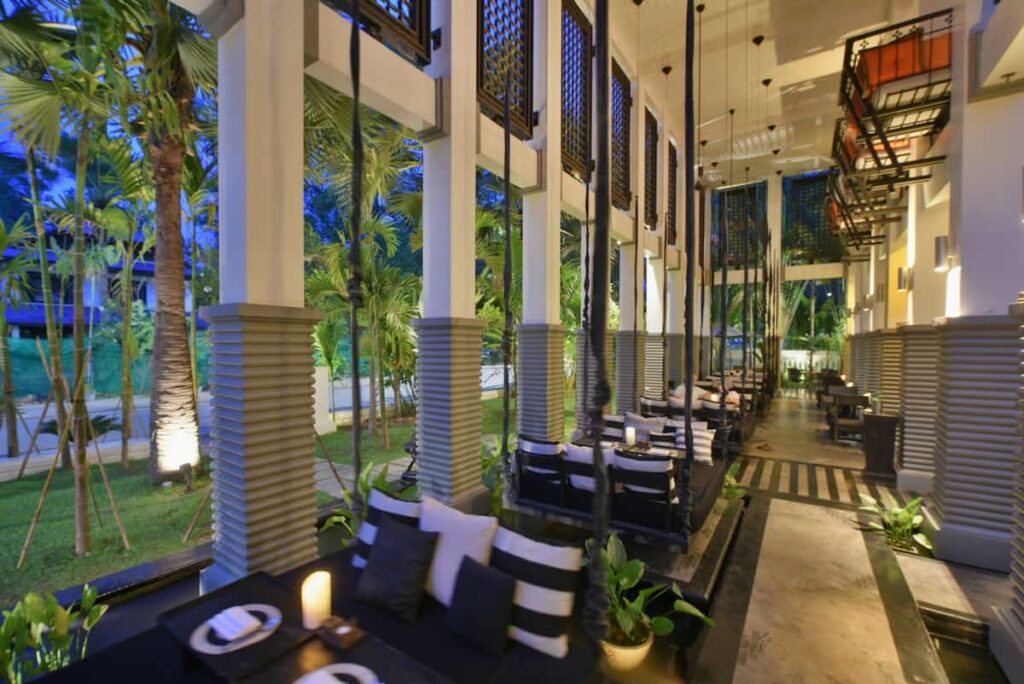
Promoting Cambodian culture and heritage is embedded in every part of the guest experience at Shinta Mani. Most of the staff are from Siem Reap and nearby areas, and the hotel invests heavily in their development. Local artists, designers, and food producers are regularly featured in the property’s offerings. The hotel’s design, led by renowned designer Bill Bensley, includes traditional Khmer elements, and the restaurant offers an elegant take on Cambodian cuisine, combining authentic flavors with refined presentation. Benjamin’s previous role in Bangkok also involved celebrating local culture, a practice he continues in Cambodia, making sure that guests not only see the country but truly feel it.
Of course, the journey hasn’t been without challenges. The COVID-19 pandemic hit the tourism industry hard. At that time, at the Farmhouse Resort and Spa, bookings disappeared almost overnight. This sudden change threatened not just the business, but also the programs that relied on guest revenue. Benjamin and his team quickly shifted focus to domestic travel markets, promoted wellness and corporate stays, and used the time to upgrade the property. The team stayed engaged through cross-training and open communication, and by staying united around their mission, they were able to survive the crisis together.
Looking ahead, Benjamin sees several trends shaping the future of tourism. Sustainability and responsible travel are no longer optional-they’re expected by travelers. People are increasingly aware of their footprint and want to support businesses that give back. Purpose-driven travel, where guests seek deeper, more meaningful experiences, is also on the rise. Cambodia has an opportunity to shine in this area, offering cultural richness and community involvement that modern travelers crave.
Technology will continue to play a larger role, especially as digital solutions became more common during the pandemic. AI and data will help personalize experiences, while contactless services will become standard. However, Benjamin insists that the human side of travel will always be essential. Real-world experiences, warm interactions, and a sense of place cannot be replaced by screens or algorithms.
Wellness tourism is another growing trend. As people pay more attention to physical and mental well-being, resorts that offer holistic programs and nature-based experiences will be in demand. Cambodia is well-positioned to attract these travelers with its peaceful landscapes and emerging wellness offerings.
Infrastructure improvements in Cambodia are also opening new doors. The new Siem Reap International Airport (opened in 2023) and the upcoming Phnom Penh airport in 2025 will increase connectivity, allowing more international visitors to explore not just Angkor Wat, but lesser-known provinces as well. This diversification is exciting and could shift the narrative of Cambodia’s tourism landscape.
Inclusivity is another area where Benjamin and his team are making meaningful progress. Shinta Mani offers accessible rooms and services for guests with mobility needs and ensures that all staff are trained to provide thoughtful, respectful assistance. The hotel also promotes diversity within its leadership and creates training pathways for individuals from underrepresented backgrounds. For Benjamin, inclusivity means creating a space where everyone-whether a guest or team member-feels seen, respected, and welcome.
For young professionals entering the travel industry, Benjamin offers clear and honest advice. Hospitality is demanding, but for those with a genuine passion, it is deeply rewarding. He encourages newcomers to stay curious, work hard, and never stop learning. Entry-level jobs are valuable learning grounds, and humility is essential. For startups, he advises identifying a unique purpose or niche, particularly one that contributes positively to society. Sustainability should be integrated from the beginning, and the human touch should never be lost-even in tech-focused ventures. Networking and collaboration are also key to growth in the industry.
“Comfort and conscience are not mutually exclusive in hospitality.”
When it comes to balancing innovation with authentic experiences, Benjamin takes a careful, thoughtful approach. Innovations should support and enhance the local story, not replace it. For example, if a new guest app is introduced, it should also offer cultural insights or free up staff to engage more personally with guests. On the other hand, certain tech elements are deliberately avoided if they risk making the experience feel impersonal or overly standardized. Guests can tell the difference between something genuine and something generic, and Benjamin ensures that the original “flavor” of Cambodia always shines through.
Partnerships have also been central to Benjamin’s work. Collaborations with NGOs, artists, designers, and tour operators allow the hotel to expand its impact. As both the designer and one of the owners behind the hotel, brand, and foundation, Bill Bensley has embedded cultural storytelling into every aspect of its identity. Many guests also become supporters of the Shinta Mani Foundation after their stay, turning short visits into long-term relationships.
For Benjamin, being called a trailblazer is both an honor and a responsibility. To him, it means having the courage to take a different path and inspire positive change in the industry. But he’s quick to acknowledge that he hasn’t done it alone. He draws inspiration from visionary collaborators like Bill Bensley and Hannes Schmid, as well as from his team members, who bring fresh ideas and passion to the table every day. If he is considered a trailblazer, it’s because he has learned from and walked alongside others who share the same values.
In every step of his career, Benjamin Lehmann has shown that travel can be more than luxury or escape-it can be a force for good. His leadership at Shinta Mani Angkor stands as proof that when hospitality is guided by purpose, it creates experiences that stay with people long after they’ve gone home.