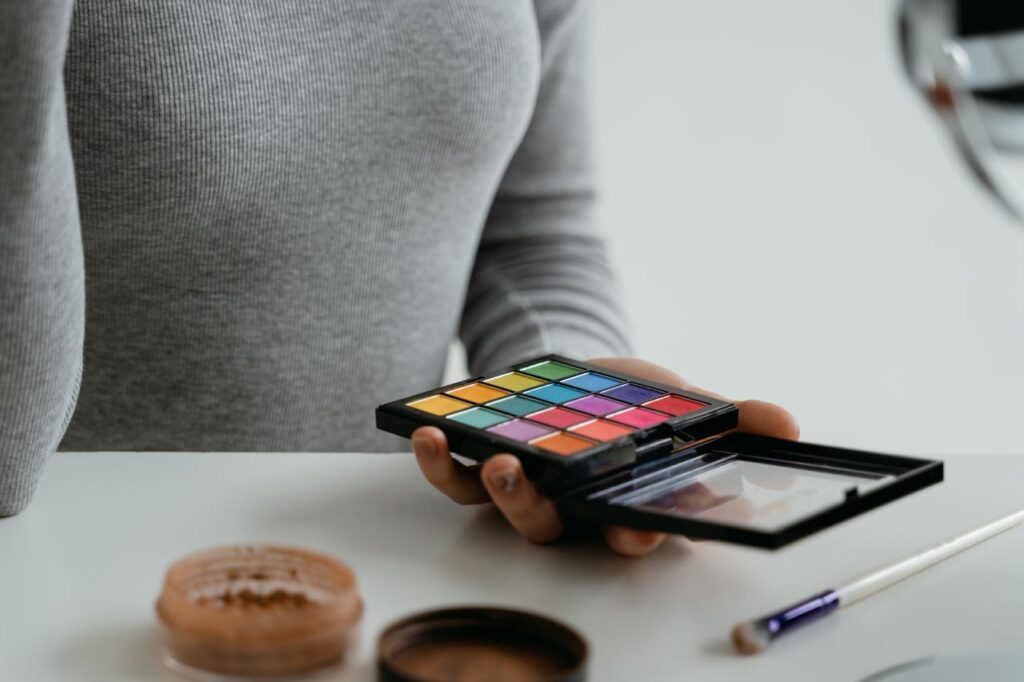
The Psychology of “Dopamine Dressing” in Cosmetics: A Palette for the Mind
For generations, makeup has been viewed through the lens of aesthetics—a tool to enhance features, correct perceived flaws, and align with societal beauty standards. However, a profound and captivating shift is underway, moving the conversation from what makeup does for our appearance to what it does for our emotional and psychological well-being. This transformation is at the heart of “dopamine dressing,” a trend that has migrated from fashion to the world of cosmetics, encouraging individuals to use color, texture, and creativity as a powerful form of self-care and mood elevation.
Dopamine dressing, at its core, is the deliberate choice of clothing, accessories, or makeup that sparks joy and boosts one’s mood. The term is rooted in the “feel-good” neurotransmitter, dopamine, which is associated with pleasure, reward, and motivation. When applied to cosmetics, this concept posits that the act of applying certain makeup, particularly in vibrant or personally meaningful shades, can trigger a release of dopamine, providing an instant psychological lift. This is not just a fleeting trend but a reflection of a deeper understanding of the mind-body connection, where what we put on our face can directly influence how we feel within.
The Science Behind the “Feel-Good” Face
The psychological impact of cosmetics is not a new discovery. The concept of “enclothed cognition” demonstrates how the symbolic meaning of what we wear can affect our thoughts, feelings, and performance. When a person puts on a uniform, for example, they may feel more authoritative and competent. In the realm of beauty, a swipe of red lipstick, a bold eyeliner, or a playful wash of colorful eyeshadow acts as a personal uniform, imbued with self-assigned meaning and power.
The psychology of color plays a pivotal role in this phenomenon. While individual associations are deeply personal, some colors have widely recognized psychological effects:
- Red: A power color. Wearing a bold red lipstick can evoke feelings of confidence, passion, and assertiveness. It can make a person feel more in control and ready to command a room. For many, it’s a statement of self-assurance and an instant mood-booster.
- Yellow and Orange: These warm, bright hues are often linked to happiness, optimism, and energy. A pop of sunshine yellow eyeshadow or a vibrant orange blush can feel like a burst of sunlight, capable of lifting spirits and creating a sense of playfulness and creativity.
- Pink: While traditionally associated with femininity and softness, pink can also be a playful and romantic color. A bright fuchsia can be empowering and joyful, while a soft, dusty rose can evoke a sense of calm and tenderness.
- Blue and Green: These cool tones are often linked to serenity, peace, and nature. Using a soft blue eyeliner or a tranquil green eyeshadow can create a sense of calmness and composure, making it a perfect choice for moments when you need to feel centered and relaxed.
Beyond color, the very act of applying makeup is a mindful, meditative ritual. It is a moment of self-focus that allows individuals to disconnect from the stresses of daily life. The tactile sensation of brushes on the skin, the delicate scents of the products, and the focused attention on creating a desired look can be a form of therapeutic self-care, providing a sense of control and accomplishment.
From Aesthetics to Authenticity: A New Beauty Standard
The dopamine dressing movement in cosmetics marks a significant departure from the era of “full-coverage” makeup and an emphasis on concealing flaws. Instead, it aligns with the “skin-first” movement, where makeup is used to complement and enhance, not to hide. This shift is particularly evident in the choices of younger generations, who are more inclined to use makeup as a tool for personal expression rather than a means to conform to a single, rigid beauty ideal.
This new standard is less about looking perfect and more about feeling authentic and vibrant. It celebrates individuality, encouraging people to break free from conventional rules about what colors or looks are “appropriate” and instead embrace what brings them genuine pleasure. It’s about finding the shade that resonates with your emotional state on a particular day, whether it’s a confident red for a presentation or a calming pastel for a quiet evening.
The Impact on the Cosmetics Industry
The psychological dimension of makeup is not lost on the beauty industry. Brands are increasingly launching products and marketing campaigns that emphasize the emotional benefits of their cosmetics. This shift is evident in:
- Vibrant, Themed Collections: We see an explosion of brightly colored palettes and collections with names that evoke joy, energy, and escapism. These products are designed to be more than just makeup; they are an experience, a source of mood enhancement.
- Focus on Texture and Sensory Experience: The focus is now on textures that feel good on the skin, from lightweight serums to velvety powders. The sensory experience of applying the product—the smooth glide, the satisfying pigment—is now a key selling point, as it contributes to the overall feeling of well-being.
- Wellness-Oriented Marketing: Brands are incorporating language related to self-care, mental health, and personal empowerment into their marketing. They are selling a feeling, not just a product, by highlighting how a particular shade can make you feel confident, happy, or calm.
Challenges and the Path Forward
While the movement is largely positive, it also presents challenges. The use of “dopamine” can be a marketing buzzword, and it’s essential for brands to ensure their messaging is authentic and not simply co-opting a psychological concept for profit. It’s crucial to remember that the true power of this trend lies in individual connection and personal meaning, not in a universal formula for happiness. The efficacy of “dopamine dressing” is entirely subjective; what brings joy to one person may not work for another.
In conclusion, the psychology of “dopamine dressing” in cosmetics is a powerful testament to the evolving relationship we have with beauty. It is an acknowledgment that makeup can be a tool for emotional regulation and a creative outlet that allows us to express our inner world. By embracing color and texture as a form of personal therapy, we are not only changing our faces but also enriching our minds, proving that the most transformative power of makeup is not what it hides, but what it reveals about our capacity for joy.